
Education is undergoing a meaningful shift as flexible learning models reshape how teaching and learning take place. Traditional education has long followed a fixed structure with set schedules, uniform pacing, and classroom-based instruction. While this approach has served many learners well, it has also left limited room for individual needs, learning styles, and personal circumstances.
Flexible learning models are changing this landscape by offering adaptable pathways that place learners at the center of the experience. These models are not replacing traditional education but transforming it into a more responsive, inclusive, and practical system.
Expanding Access Through Digital Pathways
Flexible learning models have grown in response to the limitations of rigid classroom structures. Traditional education was designed around fixed schedules and uniform instruction, which often left little room for learners who needed a different pace or environment. Over time, families began seeking alternatives that allowed education to adapt to individual needs rather than forcing students to conform to a single model.
Homeschooling emerged as one of the earliest examples of flexible learning, emphasizing personalized instruction and learner-centered progress. As homeschooling became more common, the need for academic structure, curriculum guidance, and professional support increased. This shift encouraged traditional educational institutions to rethink how they could extend learning beyond physical classrooms while maintaining academic consistency.
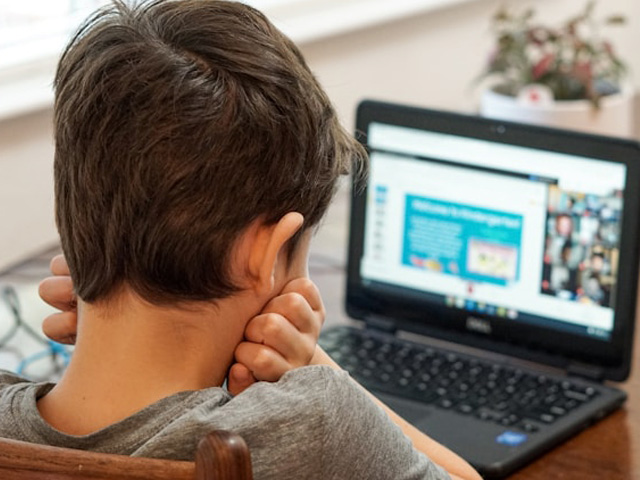
Most educational institutions offer online classes for homeschoolers to provide structured instruction while allowing families the flexibility to follow personalized learning schedules. This development represents a natural bridge between independent home-based education and formal academic systems. Students benefit from guided lessons and clear expectations, while families retain control over pacing and learning environments.
Blending Structure With Autonomy
Traditional education is often associated with clear routines and expectations, while flexible learning models introduce greater autonomy. The transformation lies in blending these two elements effectively. Schools can maintain academic standards and guidance while giving students a voice in how they learn.
Learners may have opportunities to choose project topics, manage their study time, or explore subjects in greater depth. This balance encourages responsibility and self-direction without removing the supportive framework that many students need to succeed.
Redefining the Role of Educators
As learning models become more flexible, the role of educators is also evolving. Teachers are no longer limited to delivering information from the front of a classroom. Instead, they act as guides, mentors, and facilitators who support students through personalized learning journeys.
This shift allows educators to focus more on understanding individual progress, offering meaningful feedback, and fostering critical thinking. Traditional education systems are strengthened by this change, as teaching becomes more responsive and relationship-focused.
Supporting Lifelong Learning Skills
Flexible learning models place strong emphasis on skills that extend beyond academic content. Students learn how to manage their time, set goals, and reflect on their progress. These abilities are essential for lifelong learning and personal growth.
By incorporating flexibility into traditional education, schools help students develop habits that prepare them for changing demands in education and life. Learners gain confidence in their ability to adapt, explore new ideas, and take ownership of their learning experiences.
Encouraging Collaboration and Connection
While flexibility often suggests independence, it also opens new opportunities for collaboration. Digital tools and adaptable schedules make it easier for students to work together, share ideas, and learn from one another.
Traditional classrooms can expand their sense of community by connecting learners through discussion spaces, group projects, and shared challenges. This approach nurtures communication skills and mutual respect, reinforcing the social aspects of education while embracing modern methods.
Creating Inclusive Learning Environments
Flexible learning models are playing a key role in making education more inclusive. Students with different learning preferences, responsibilities, or challenges can benefit from adaptable approaches that respect their circumstances.
Traditional education systems that adopt flexibility can better support learners who may struggle with rigid schedules or standard formats. By offering varied ways to participate and demonstrate understanding, schools create environments where more students feel valued and capable.
Integrating Learning Into Everyday Life
Another important transformation is the way learning connects with daily life. Flexible models allow education to fit more naturally into students’ routines, making learning feel relevant and meaningful.
Traditional education gains depth when lessons connect to real experiences and personal interests. This integration helps students see education as an ongoing process rather than a series of isolated tasks confined to a classroom.
Strengthening Engagement and Motivation
Engagement is a critical factor in effective education, and flexible learning models address this by giving students greater control and relevance in their studies. When learners feel heard and supported, their motivation often increases. Traditional education systems that embrace flexibility can reduce disengagement by offering options that resonate with students. This approach fosters curiosity and a genuine interest in learning, which benefits both students and educators.
Flexible learning models are transforming traditional education by introducing adaptability, personalization, and meaningful choice. Rather than abandoning established structures, these models enhance them by responding to the realities of modern learners.
As education continues to evolve, the thoughtful integration of flexibility ensures that learning remains accessible, supportive, and aligned with the diverse needs of students. Through this transformation, traditional education becomes not only more effective but also more humane and forward-looking.