Work Environment
Administrative law judges, adjudicators, and hearing officers held about 15,500 jobs in 2020. The largest employers of administrative law judges, adjudicators, and hearing officers were as follows:
- State government, excluding education and hospitals - 47%
- Federal government - 34%
- Local government, excluding education and hospitals - 18%
Judges, magistrate judges, and magistrates held about 29,400 jobs in 2020. The largest employers of judges, magistrate judges, and magistrates were as follows:
- State government, excluding education and hospitals - 56%
- Local government, excluding education and hospitals - 44%
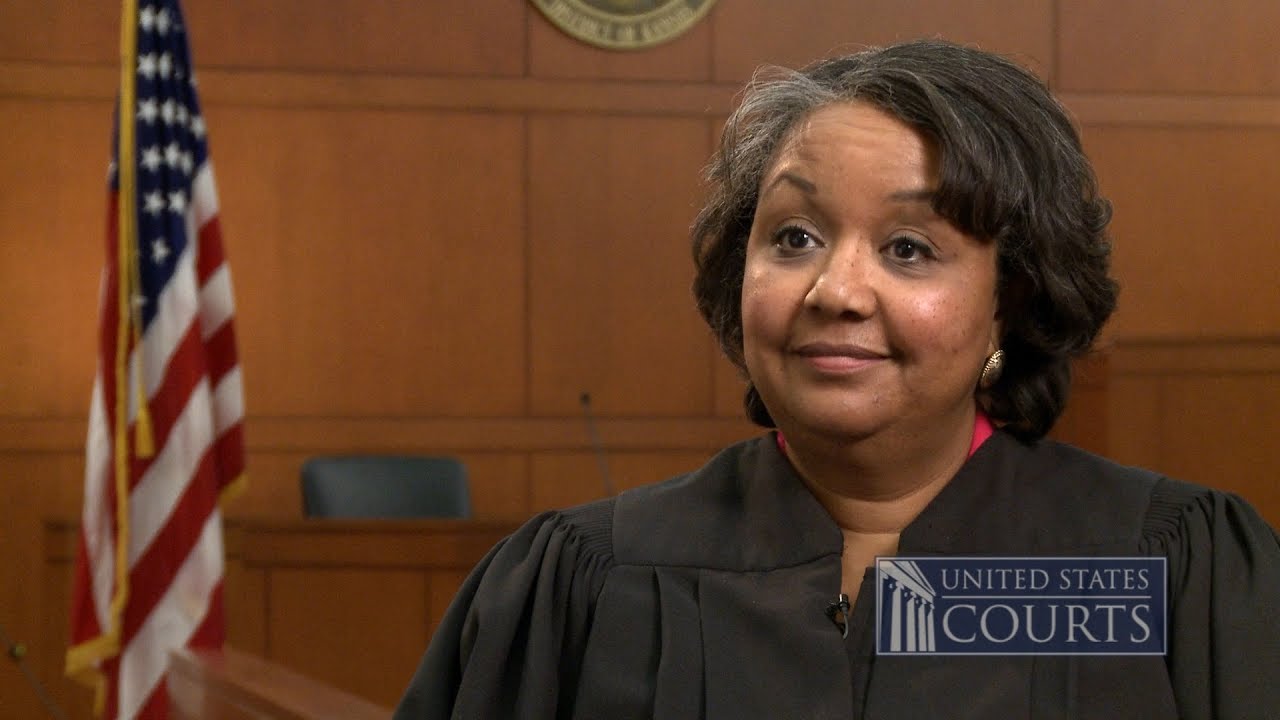
Judges and hearing officers do most of their work in offices and courtrooms. Their jobs can be demanding, because they must sit in the same position in the court or hearing room for long periods and give undivided attention to the process.
Some judges and hearing officers may be required to travel to different counties and courthouses throughout their state.
The work may be stressful as judges and hearing officers sometimes work with difficult or confrontational individuals.
Work Schedules
Some courthouses have evening and weekend hours. In addition, judges may have to be on call during nights or weekends to issue emergency orders, such as search warrants and restraining orders.
Job Outlook
Overall employment of judges and hearing officers is projected to grow 3 percent from 2020 to 2030, slower than the average for all occupations.
Despite limited employment growth, about 2,200 openings for judges and hearing officers are projected each year, on average, over the decade. Most of those openings are expected to result from the need to replace workers who transfer to different occupations or exit the labor force, such as to retire.
Employment
These workers play an essential role in the legal system, and their services will continue to be needed into the future. However, budgetary constraints in federal, state, and local governments may limit the ability of these governments to fill vacant judge and hearing officer positions or authorize new ones. If there are governmental budget concerns, this could limit the employment growth opportunities of hearing officers and administrative law judges working for local, state, and federal government agencies, despite the continued need for these workers to settle disputes.
Earnings
The median annual wage for administrative law judges, adjudicators, and hearing officers was $102,550 in May 2021. The median wage is the wage at which half the workers in an occupation earned more than that amount and half earned less. The lowest 10 percent earned less than $47,580, and the highest 10 percent earned more than $180,520.
The median annual wage for judges, magistrate judges, and magistrates was $148,030 in May 2021. The lowest 10 percent earned less than $46,490, and the highest 10 percent earned more than $208,000.
In May 2021, the median annual wages for administrative law judges, adjudicators, and hearing officers in the top industries in which they worked were as follows:
- Federal government - $130,210
- State government, excluding education and hospitals - $80,620
- Local government, excluding education and hospitals - $78,300
In May 2021, the median annual wages for judges, magistrate judges, and magistrates in the top industries in which they worked were as follows:
- State government, excluding education and hospitals - $170,840
- Local government, excluding education and hospitals - $98,060
Some courthouses have evening and weekend hours. In addition, judges have to be on call during nights or weekends to issue emergency orders, such as search warrants and restraining orders.