

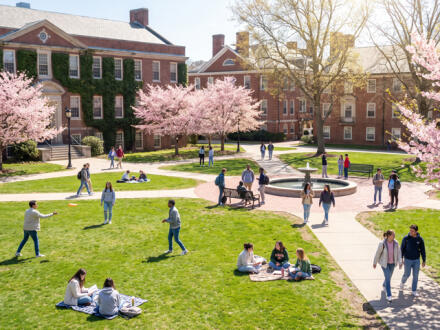
Paying for college can feel expensive fast. A single semester can bring tuition bills, housing costs, books, lab fees, and a meal plan that somehow disappears in two weeks.
For students in McLean County, Kentucky, the good news is simple: there is no single path to paying for school. There are local scholarships, statewide awards, college-based programs, need-based grants, employer funding, and field-specific scholarships that can stack together.
That matters because even a smaller award can change the math. A $500 local scholarship might cover textbooks and parking. A $1,500 county or career-focused award can reduce student loan borrowing. Stack four or five awards, and the total can wipe out a big share of a community college bill or make a university housing payment easier to manage.
This guide breaks down 10 practical McLean County, Kentucky scholarship opportunities and funding paths students should look at first. It covers options for high school seniors, undergraduates, graduate students, women, STEM majors, agriculture students, and families with financial need.
The goal is not to chase random scholarships for hours. The goal is to focus on the places where McLean County students actually have an edge: local ties, Kentucky residency, school records, community service, and career plans. With a clear list and a tighter strategy, students can spend less time guessing and more time applying where the odds are better.
1. McLean County Scholarships For High School Students Through Local Schools And Counseling Offices
For many seniors, the best first stop is still the high school counseling office. That's where McLean County Scholarships for High School Students often show up first, especially awards from local donors, memorial funds, churches, civic clubs, and county businesses.
These scholarships are usually less crowded than national contests. A local award with 18 applicants gives better odds than an online scholarship pool with 18,000 names.
Students should ask counselors for three things:
- A current scholarship list with deadlines
- A copy of the school's common local application, if one exists
- Details on required items such as transcripts, FAFSA data, or recommendation letters
Kentucky students should also review the KEES program, which rewards academic performance in high school. Even steady gains matter. A student who raises a GPA from 3.1 to 3.6 can materially improve total eligibility over four years.
A strong local application often includes concrete proof of involvement. "Volunteered at events" is weak. "Logged 86 volunteer hours between the county fair, food pantry, and youth basketball" is much stronger.
Counseling offices also know which awards quietly repeat every cycle. In a county the size of McLean, that local memory matters.
2. County And Community Foundation Scholarships Available To McLean County Residents
Community foundations and county-based donors are worth serious attention because they often care about one thing national programs do not: where the student comes from.
For McLean County residents, that local connection can be the deciding factor. Some awards target students from rural counties, first-generation families, or graduates of public high schools in a specific region.
Students should search for scholarships through:
- County foundations in nearby service areas
- Regional charitable funds
- Hospital, bank, and utility foundations
- Alumni and memorial scholarship funds
These awards are often in the $500 to $2,500 range. That may sound modest, but three awards at $1,000 each can cover a semester of books, fees, and supplies at many schools.
A practical move is to build a one-page scholarship tracker with columns for amount, deadline, essay topic, transcript needed, and recommendation count. That simple sheet can cut missed deadlines sharply.
Students using Studentscholarships.org can sort through wider Kentucky options and compare local-style funding pools with larger databases. The point is not volume alone. It is finding scholarships where a McLean County address, rural experience, or local service record adds real weight.
And yes, community foundations often like specificity. An essay that mentions showing livestock at the fair, working harvest season, or driving 22 miles for dual-credit classes sounds real because it is real.
3. McLean County Scholarships For Undergraduate Students At Kentucky Colleges And Universities
Once a student commits to a college, campus-based aid becomes a major part of the search. McLean County Scholarships for Undergraduate Students can come from the college itself, the academic department, alumni groups, and Kentucky-specific donor programs.
This is where students should look beyond the main admissions scholarship page. Many schools have separate awards for majors, honors students, transfer students, music participants, or residents from rural counties.
A few smart moves help:
- Apply to the college early, because some merit pools close months before classes begin
- File the FAFSA fast, since some scholarships require financial aid data
- Search department pages for awards in majors like education, nursing, business, or ag science
Students interested in arts-related study may notice options such as the McLean Budden award, which lists $1,250 for one recipient. That is a concrete reminder that smaller, field-specific awards can matter.
Future educators should also review the teacher scholarship program, since teaching shortages create funding opportunities in Kentucky.
A simple example: if a student receives a $2,000 campus merit award, a $1,250 major-specific scholarship, and a $1,000 local scholarship, that is $4,250 off the bill before federal loans even enter the picture.
4. McLean County Scholarships For Graduate Students Pursuing Advanced Degrees
Graduate students often assume scholarship money disappears after a bachelor's degree. It doesn't. It just gets narrower and more profession-focused.
McLean County Scholarships for Graduate Students are often tied to careers with clear workforce demand. Nursing, optometry, education, counseling, and health fields regularly show up because states and professional groups want more trained workers.
Graduate students should search in four places:
- State professional associations
- Graduate schools and departments
- Licensing or workforce shortage programs
- Employer tuition assistance programs
For example, students in health care can review the nursing foundation awards and the optometry scholarship. Programs like these tend to reward students who plan to serve Kentucky communities after graduation.
That rural commitment can matter. A graduate nursing student who wants to work in a regional clinic may look more compelling than a generic applicant with no service plan.
The numbers add up quickly at this level. If a graduate student cuts $3,000 in yearly tuition through one targeted scholarship, that can reduce monthly loan repayment by a meaningful amount later.
Graduate applicants should also tighten their materials. A personal statement with a specific career goal, one research interest, and one service commitment usually reads stronger than a broad essay about "wanting to help people."
5. McLean County Scholarships For STEM Students In High-Demand Career Fields
STEM scholarships are attractive because employers and schools both want more graduates in these fields. McLean County Scholarships for STEM Students may support engineering, computer science, nursing, data analysis, environmental science, agriculture technology, and pre-health tracks.
These scholarships often favor students who can show more than classroom strength. A 3.8 GPA helps, but so does proof that the student actually likes building, testing, coding, or solving technical problems.
Useful evidence includes:
- Science fair projects
- Robotics or coding work
- Dual-credit math or lab courses
- Internships, job shadowing, or summer programs
A good application names the skill, the result, and the problem solved. For example: "They built a soil-moisture sensor for a greenhouse test and cut watering waste by 18%." That is far better than "They enjoy science."
STEM fields also bring extra costs. Lab goggles, software, certification exams, and equipment can add $300 to $1,200 in one term depending on the program. A scholarship that looks small on paper may cover those direct expenses completely.
Students from McLean County should also frame rural experience as a strength. Reliable broadband access, water systems, crop data, medical staffing, and electric infrastructure all need STEM talent. A student who connects technical study to real county needs stands out.
6. McLean County Scholarships For Women Building Careers In College And Beyond
Women-focused scholarships can be a strong fit for students who show leadership, service, or clear career direction. McLean County Scholarships for Women may come from civic groups, women's organizations, professional associations, and industry programs.
These awards are not only for one major. Some support business, health care, teaching, public service, agriculture, and technical careers. Others focus on women returning to school after a pause.
Students should look for programs that reward:
- Leadership roles in school or community groups
- Volunteer work with measurable impact
- Career goals tied to service or workforce gaps
- Persistence after family, financial, or personal setbacks
The Women Leading Kentucky program is one example of a scholarship page students can review when building a state-specific list. Rural utility-related fields may also connect with awards like the WIRE scholarships.
A strong essay here should sound concrete. "She organized a hygiene drive that collected 214 items for local students" is memorable. So is "She worked 24 hours a week while keeping a 3.5 GPA."
Women in smaller counties sometimes underapply for these scholarships because they assume the competition is too strong. That guess can cost real money. A two-hour application for a $1,500 award can pay more per hour than almost any part-time job.
7. Agricultural And Rural Scholarships That Fit McLean County Students
This is one of the most natural scholarship lanes for McLean County students. Agriculture and rural life are not side details here. They are part of daily experience, work history, and family identity.
That matters because scholarship committees in this category often want students who truly understand rural communities. Farm work, FFA, 4-H, livestock showing, ag mechanics, crop science, and county fair involvement all strengthen an application.
Students should search for awards tied to:
- Farm Bureau chapters
- Commodity groups
- 4-H and FFA networks
- Rural electric and cooperative organizations
- Agricultural colleges and extension programs
The Young Farmer award and Farm Bureau scholarships are strong examples of the kind of agriculture-focused funding Kentucky students should review.
These programs often support more than traditional farming majors. Agribusiness, veterinary pathways, environmental science, diesel technology, food systems, and ag education can all fit.
A useful essay might describe repairing equipment before sunrise, tracking feed costs, or balancing school with 5:30 a.m. barn work. Those details show discipline. They also show the student already understands the labor behind rural economies.
Even one $1,000 county agriculture award can cover books, work boots, and course fees for a term.
8. Merit-Based Scholarships For Strong Grades, Leadership, And Community Service
Merit-based scholarships reward performance, but not only test scores. Most committees want a blend of grades, leadership, service, and follow-through.
That is good news for students whose strengths show up in different ways. One student may bring a 3.9 GPA. Another may bring a 3.5 GPA, 140 service hours, captain experience, and a part-time job. Both can be competitive depending on the scholarship.
Students should build a simple merit profile with exact numbers:
- GPA and class rank, if available
- ACT or SAT scores, if submitted
- Volunteer hours
- Leadership roles held
- Work hours per week
Specificity helps here more than style. "Treasurer of FFA, managed a $2,300 budget for chapter events" says much more than "active leader."
Many colleges use merit grids that start at certain GPA bands, so even a small grade increase can change award size. A jump from 3.49 to 3.51 may not feel dramatic in class, but it can matter when scholarship systems sort applicants.
Students should also ask recommenders to include one measurable result. For example, a coach might note that a student raised attendance at a service event from 27 volunteers to 46. That kind of detail makes leadership easier to trust.
9. Need-Based Scholarships And Grant Programs For McLean County Families
Need-based aid can be the piece that makes college workable, especially for families balancing tuition with housing, transportation, and food costs. For many McLean County households, this is not extra money. It is the foundation of the plan.
Students should start with the FAFSA because many grants and institutional awards require it. Colleges may use that information to build a package that includes federal aid, state help, campus grants, and scholarship funds. Schools such as the University of Kentucky outline those aid categories through their financial aid office.
Families should also ask each college about:
- Need-based institutional grants
- Emergency aid funds
- Book or completion grants
- Work-study options
A $750 emergency grant can keep a student enrolled after a car repair. A $1,200 institutional grant can cover the gap between aid and the housing deposit.
Studentscholarships.org also helps students filter broader scholarship lists by eligibility and fit, which can cut wasted time on awards that do not match their financial or academic profile.
How To Strengthen A Need-Based Aid Application
The strongest applications pair financial data with clear context. If income dropped, if medical bills spiked, or if a parent lost overtime hours, the college should know that.
Students can improve a need-based file by:
- Submitting forms early
- Responding to document requests within 48 hours
- Writing short, factual explanations for special circumstances
- Keeping copies of tax, wage, and benefit records
Specific details matter. "Their family pays $186 each week for fuel because the parent commutes 41 miles each way" is more useful than "transportation is expensive."
If a financial aid office allows appeals, families should use that option when the original numbers no longer match reality.
10. Employer, Union, And Local Organization Scholarships Students Often Overlook
Some of the most overlooked college money comes from workplaces and membership groups. Parents' employers, students' part-time jobs, local unions, utility companies, banks, hospitals, and civic organizations may all offer scholarships.
These awards often attract fewer applicants because they are not heavily advertised. That creates better odds.
Students should ask employers and organizations whether they offer:
- Dependent scholarships for employees' children
- Scholarships for part-time student workers
- Union education benefits
- Chamber, rotary, or civic club awards
A local employer award of $500 to $2,000 can be easier to win than a large state competition. The same goes for scholarships tied to a parent's workplace or membership status.
Students should not skip "small" awards. Five scholarships worth $750 each produce $3,750, which can cover a big chunk of commuting costs, books, and fees.
How To Find Smaller Local Awards Before Deadlines Pass
The best system is simple and repeatable. Students should spend 30 minutes each week checking the same places instead of doing random searches for three hours once a month.
A strong local search routine includes:
- High school counseling updates
- College financial aid bulletins
- Employer HR offices
- Local library and newspaper bulletin boards
- Church, co-op, and civic group announcements
Students can also use the broader scholarship database to catch opportunities they might miss locally, then sort by location, major, or personal background.
Deadline control matters more than perfection. A solid essay submitted 5 days early beats a great essay still sitting in drafts at 11:58 p.m.
McLean County, Kentucky Scholarships: Frequently Asked Questions
What types of scholarships are available for high school students in McLean County, Kentucky?
High school students can access local scholarships through their school counseling offices, including awards from donors, churches, and civic groups. These often have fewer applicants and focus on local ties, community service, and academic performance like the Kentucky Educational Excellence Scholarship.
How can McLean County residents benefit from community foundation scholarships?
Community foundation scholarships target local students based on residency, rural background, or public school graduation. These awards typically range from $500 to $2,500 and reward specific experiences like agricultural work or community involvement, providing strong chances for local applicants to reduce college costs.
What options do undergraduate students from McLean County have for scholarships at Kentucky colleges?
Undergraduates can apply for campus-based scholarships, departmental awards for specific majors, and alumni grants. Applying early and submitting the FAFSA promptly increases eligibility. For example, the McLean Budden Entrance Scholarship offers $1,250 for arts students, supporting diverse fields and reducing tuition expenses.
Are there scholarships for graduate students from McLean County in healthcare or education?
Yes, graduate scholarships often focus on workforce-demand careers. Programs like the Kentucky Optometry Scholarship and Kentucky Nurses Foundation Scholarships support students pursuing advanced degrees who commit to serving Kentucky communities, helping reduce graduate tuition and loan burdens.
What scholarships support women pursuing careers in McLean County, Kentucky?
Women can access scholarships from organizations like Women Leading Kentucky and Kentucky WIRE Scholarships that reward leadership, service, or clear career goals in fields like business, healthcare, and public service. These awards encourage persistence and recognize contributions to community and workforce development.
How can McLean County students involved in agriculture find scholarship opportunities?
Agriculture-focused scholarships are available through Farm Bureau chapters, 4-H and FFA groups, and rural cooperatives. Awards like the Young Farmer Scholarship recognize experience in ag practices and related majors, helping cover costs for supplies, coursework, and more, reflecting the county's rural heritage and economy.




