

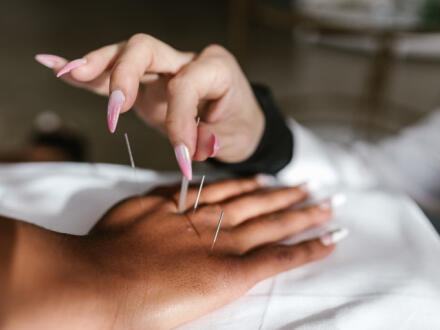
Paying for a naturopathic medicine path can feel bigger than the career plan itself. Tuition, lab fees, books, transportation, and transfer costs add up fast. For a Nevada student mapping out a future in integrative health, the smart move is not to wait for one large award. It is to stack several funding paths.
That is where Nevada Naturopathic Medicine Scholarships matter. A student does not need to be enrolled in a naturopathic medical program on day one to qualify for relevant money. Many awards support the steps that come first: strong science classes, community college, pre-med study, women in leadership, local service, and healthcare career preparation.
This list breaks down 11 practical scholarship and funding paths for high school students, first-year students, college students, and university students in Nevada. It also covers merit aid, need-based aid, regional awards, professional associations, school-specific options, and faster scholarship search methods.
The goal is simple: help a student find money that fits the road to naturopathic medicine, not just money with the word "naturopathic" in the title. A student who applies to 12 well-matched scholarships instead of 3 random ones usually has better odds, better essays, and less wasted time. The sections below show where those better-fit opportunities usually hide.
1. Nevada Naturopathic Medicine Scholarships for High School Students Planning an Early Healthcare Path
Nevada Naturopathic Medicine Scholarships for High School Students often start with broad healthcare, science, or leadership awards. A high school junior or senior rarely finds dozens of scholarships labeled "naturopathic medicine," but many awards support the exact first steps this career needs.
A strong early applicant usually shows three things:
- Science readiness, such as biology, chemistry, anatomy, or AP coursework
- Service, like hospital volunteering or wellness club projects
- Clear career direction, even if the final graduate program comes later
For example, a student with a 3.7 GPA, 86 volunteer hours, and a health-focused personal statement will usually look stronger than a student with vague goals and no service record. Scholarship readers want specifics.
Good targets include:
- Nevada community foundation awards
- Women's leadership scholarships
- Rural healthcare pipeline scholarships
- STEM scholarships for graduating seniors
A practical example is the Nevada Women's Fund award, which can fit students showing leadership and academic promise. That matters because leadership is a real part of naturopathic medicine. Future providers often educate patients, lead wellness programs, and build trust one conversation at a time.
A high school student should build a simple application folder with transcripts, one resume, one activity list, and two essay versions. That prep can cut 2 to 4 hours off each later application.
2. Nevada Naturopathic Medicine Scholarships for First-Year Students Starting College With Clear Career Goals
Nevada Naturopathic Medicine Scholarships for first-year students usually reward focus. Colleges like to fund students who arrive with a plan, especially in science and health fields where retention matters.
A first-year student who says, "I want to study biology, nutrition, and preventive care before applying to a naturopathic medicine program," sounds far more credible than someone using generic pre-health language. Precision helps.
First-year students should prioritize these funding buckets:
- Departmental scholarships tied to biology, chemistry, or health sciences
- Freshman merit awards based on GPA or test performance
- Career-path scholarships for future healthcare professionals
- Gap-filling grants that reduce unpaid balances after other aid
For Nevada residents starting at a community college, the Nevada Promise program deserves attention because last-dollar aid can shrink out-of-pocket costs in a very direct way. If tuition and mandatory fees total $3,400 and other grants cover $2,600, a last-dollar model can address the remaining $800.
That kind of early savings matters. A first-year student who avoids even $1,500 in borrowing can redirect money to textbooks, lab shoes, anatomy models, or transfer application fees later.
The best move in the first semester is simple: meet financial aid staff, ask about program-specific awards, and apply before grades slip under the minimum renewal threshold, often 3.0 or 3.25.
3. Nevada Naturopathic Medicine Scholarships for College Students Building a Pre-Med or Integrative Health Background
Nevada Naturopathic Medicine Scholarships for College students often sit in the overlap between pre-med, public health, nutrition, and wellness education. That overlap is useful, because naturopathic medicine draws from several academic lanes at once.
A college student becomes more competitive by showing a coherent academic story. That story might include:
- General biology and chemistry completed with strong grades
- Volunteer work in patient-facing settings
- Interest in nutrition, preventive medicine, or community wellness
- Research, tutoring, or club leadership
A student with 24 completed credits, a 3.5 science GPA, and 120 hours as a peer wellness volunteer already has material for a strong application. Specific proof beats big claims.
This is also the stage where unusual scholarships can fit. Agriculture, food systems, and rural health awards sometimes support future naturopathic students because nutrition and community health are closely linked. The Placer-Nevada Cattlewomen scholarship can make sense for a student interested in food, health education, or rural service.
Students should also keep one "career bridge" essay ready. It should explain how coursework in microbiology, physiology, psychology, or nutrition supports a future naturopathic medicine path. A clean bridge essay can be reused across 6 to 10 applications with small edits.
That saves time and keeps the message consistent, which usually improves application quality.
4. Nevada Naturopathic Medicine Scholarships for University Students Pursuing Advanced Science and Health Studies
Nevada Naturopathic Medicine Scholarships for University students become more specialized. At this level, committees expect upper-division work, stronger faculty recommendations, and a tighter explanation of graduate plans.
A university student studying biochemistry, kinesiology, psychology, public health, or nutritional science can frame that work as direct preparation for naturopathic medicine. The key is to connect course choices to patient care and prevention.
Strong application details often include:
- 300- or 400-level science coursework
- Research lab work or poster presentations
- Clinical shadowing or internship hours
- Community health project leadership
For example, a student who completed 8 credits of organic chemistry, 4 credits of physiology, and 72 hours of clinic shadowing can show academic stamina and professional intent. Those details are memorable.
University students should also ask whether institution-based aid can combine with federal and state support. At schools such as UNLV, the financial aid office publishes current guidance on grants, loans, work-study, and application steps. That helps students avoid missing deadlines that can cost hundreds or even thousands of dollars.
A common mistake is only applying for major-specific awards. Wider university scholarships for service, leadership, undergraduate research, or first-generation status may be just as relevant. One extra $1,250 award can cover a semester of books, lab access fees, and part of transportation costs.
5. Merit-Based Scholarships That Reward Academic Excellence in Science, Wellness, and Leadership
Merit-based aid is one of the cleanest fits for future naturopathic students. The field values academic discipline, communication, and service. Scholarship committees do too.
These awards usually look at measurable performance first:
- GPA, often 3.25 to 3.8 minimum
- Science course rigor
- Honors or AP coursework
- Club leadership or captain roles
- Essay quality and recommendation letters
A student does not need a perfect transcript. But a pattern matters. Four A grades in biology, chemistry, psychology, and anatomy tell a stronger story than one impressive club title by itself.
What makes a merit application stand out
The strongest files often include one hard number in every category. That could mean:
- 3.68 GPA
- 142 volunteer hours
- 2 leadership positions
- 1 campus wellness initiative serving 95 students
That last number matters. If a student helped run a stress-reduction workshop and 95 students attended, the committee can picture real impact.
Merit applicants should also write like future healthcare professionals: calm, specific, and useful. An essay that says, "They organized a peer nutrition table twice a month and handed out 180 food-planning guides," is sharper than broad language about helping others.
For students pursuing science-heavy majors, merit aid can repeat every term. A renewable $2,000 per year award becomes $8,000 across four years if the GPA stays above the renewal line.
6. Need-Based Aid Options That Can Reduce the Cost of a Naturopathic Medicine Education Path
Need-based aid matters because even strong students hit real cash gaps. A future naturopathic doctor might be doing everything right and still struggle to pay for tuition, rent, a used laptop, and gas for campus commutes.
This funding path often includes:
- Federal Pell Grants
- State grant programs
- Institutional need-based scholarships
- Emergency completion grants
- Work-study
A student with a Student Aid Index low enough for Pell eligibility may qualify for several layers of support at once. If grants cover $5,500, a campus scholarship adds $1,200, and work-study brings in $2,400 over the year, the total package changes the whole plan.
Where students lose money
The biggest losses usually come from missed steps, not lack of eligibility.
Common mistakes include:
- Missing the FAFSA deadline
- Forgetting verification documents
- Not appealing after a family income drop
- Ignoring small campus grants under $1,000
A student whose family income fell by $18,000 after job loss should ask for a professional judgment review. That single appeal can shift aid eligibility in a meaningful way.
For a naturopathic career path, lower debt is not just nice. It creates flexibility later for prerequisite courses, relocation, licensing costs, and graduate applications. Need-based aid reduces pressure before that pressure turns into withdrawal or delayed graduation.
7. Nevada Community and Regional Scholarships That Support Future Healthcare Professionals
Local scholarships are often less crowded than national ones. That makes them one of the smartest funding paths for Nevada students.
A regional award may only accept applicants from one county, one graduating class, one community college district, or one service area. If only 47 students apply instead of 4,700, the odds change fast.
Good local targets include:
- County education foundations
- Hospital auxiliary scholarships
- Rotary and service-club awards
- Rural health and hometown scholarships
- Tribal or community-based education funds
For a future naturopathic student, local service can be a major advantage. A student who spent 64 hours helping at a food pantry, school wellness fair, or senior center can frame that experience around preventive health and community care.
Regional committees also tend to respond well to familiar problems and practical goals. An applicant from Ely, Elko, Pahrump, or Reno who explains local provider shortages or long travel times for care sounds grounded, not generic.
The best strategy is to build a county-by-county list and apply in waves. Start with hometown awards, then regional healthcare scholarships, then broader Nevada opportunities. Students who batch applications this way can often submit 8 to 15 local applications in one season without rewriting everything from scratch.
8. Nevada Naturopathic Medicine Association Scholarships and Other Professional Organization Awards
Professional associations can be gold for focused students. Nevada Naturopathic Medicine Association Scholarships may not appear as often as general college aid, but organization-based awards can carry strong signal value because they come from people close to the field.
These groups may include:
- State naturopathic associations
- Integrative medicine organizations
- Nutrition and wellness groups
- Pre-health or medical student associations
- Women in healthcare networks
A student should not wait for the exact scholarship title to match the exact career title. A professional group supporting preventive care, whole-person medicine, public health, or nutrition may still be highly relevant.
For example, an association award of $1,000 to $2,500 can cover application fees, prerequisite summer tuition, or travel for an interview. Smaller awards matter when stacked.
Eligibility Clues to Check Before You Apply
Before applying, students should scan for clues that signal a strong fit:
- Required Nevada residency
- Declared health or science major
- Minimum GPA such as 3.0 or 3.5
- Essay interest in wellness, prevention, or patient education
- Volunteer or leadership expectations
One missed line can waste an evening. If a scholarship requires 12 completed college credits and a student has only 9, it is better to skip it and apply later.
Students should also search association newsletters, conference pages, and member announcements. Some niche awards attract very small applicant pools because they are not widely advertised.
9. School-Specific Scholarships From Colleges, Universities, and Naturopathic Medicine Programs
School-specific scholarships are often easier to match because colleges already know what they want. They may fund retention, transfer success, lab performance, leadership, or commitment to health professions.
A student pursuing naturopathic medicine should look at three school levels:
- Current college or university scholarships
- Transfer scholarships for moving into a four-year program
- Future program scholarships from naturopathic medical schools
A practical example: a community college student with 30 credits, a 3.4 GPA, and strong science grades may qualify for transfer awards worth $1,500 to $5,000. That can soften the jump from lower-cost tuition to university pricing.
Students should search by office, not just by one scholarship portal. Useful places include:
- Biology department pages
- Honors college pages
- Pre-health advising offices
- Foundation scholarship pages
- Transfer student services
Another smart move is using free matching tools that cut search time. On StudentScholarships.org, students can sort through scholarships and career guidance in one place, which helps when deadlines pile up.
Future naturopathic program applicants should also note whether a school gives institutional aid based on academic history, mission fit, or interviews. Even if the award comes later, early planning helps a student choose prerequisite classes and activities with purpose.
10. STEM, Biology, and Alternative Medicine Scholarships That Align With Naturopathic Career Goals
Some of the best-fit money for this path does not mention naturopathic medicine at all. It mentions STEM, biology, chemistry, nutrition, public health, or alternative medicine. That is often enough.
The logic is simple. Naturopathic medicine rests on science coursework plus interest in prevention and wellness. So students should search both sides of that equation.
Useful keyword combinations include:
- biology scholarship Nevada
n- pre-med scholarship Nevada
- integrative health scholarship
- nutrition scholarship undergraduate
- alternative medicine student funding
- women in STEM Nevada
A biology student with a 3.55 GPA, 1 semester of research, and a wellness education side project may fit several categories at once. That kind of overlap is where scholarship volume grows.
Students should also pay attention to awards connected to:
- Environmental health
- Food systems
- Exercise science
- Mental health outreach
- Rural medicine
These areas line up well with naturopathic interests. For example, a scholarship for nutrition outreach can support the same long-term goal as a pre-med science award, even if the wording differs.
The best search habit is to keep one spreadsheet with columns for amount, deadline, GPA cutoff, essay topic, and keyword match. Students who track applications this way can reduce duplicate work and spot the awards most aligned with their actual career story.
11. Scholarship Platforms and Search Strategies That Help Nevada Students Find More Relevant Awards Faster
Most students do not lose out because zero scholarships exist. They lose out because the search process is messy. They use broad keywords, miss filters, and waste time on poor-fit awards.
A better system starts with narrow search phrases tied to stage and location. Examples include:
- Nevada Naturopathic Medicine Scholarships for High School Students
- Nevada Naturopathic Medicine Scholarships for College
- Nevada Naturopathic Medicine Scholarships for University
- Nevada healthcare scholarships women
- Nevada pre-med community scholarships
Students should also use platforms that combine scholarship matches with career guidance. That matters because a future naturopathic applicant often needs both funding ideas and pathway clarity.
A fast search routine looks like this:
- Build a master resume in 45 minutes.
- Write 2 base essays of 350 to 500 words.
- Filter scholarships by Nevada residency, major, and GPA.
- Apply first to awards with the closest fit and the shortest forms.
- Track every submission in one sheet.
Using a structured platform can trim application time a lot. If a student saves even 10 minutes on each of 18 applications, that is 180 minutes, or 3 hours, recovered.
The biggest win is relevance. A student who targets local, science, healthcare, and women-focused scholarships together usually gets better odds than someone applying blindly to huge national contests.
Nevada Naturopathic Medicine Scholarships FAQs
What types of scholarships are available for Nevada high school students interested in naturopathic medicine?
High school students can apply for scholarships focused on healthcare, science, and leadership, like the Nevada Women's Fund award, rural healthcare scholarships, and STEM awards, even before enrolling in a naturopathic program.
How can first-year college students in Nevada best secure funding for naturopathic medicine studies?
First-year students should pursue departmental scholarships in biology or health sciences, freshman merit awards, and programs like the Nevada Promise Scholarship to reduce tuition costs and support their career path.
What are some good strategies for college students planning a pre-med or integrative health background to find scholarships?
College students should highlight strong science coursework, volunteer service, and leadership roles while applying for awards in pre-med, nutrition, public health, and rural health fields such as the Placer-Nevada Cattlewomen Agriculture Scholarships.
Are there scholarships specifically supporting university students pursuing advanced health or science studies in Nevada?
Yes, university students can apply for specialized scholarships requiring upper-division coursework, research experience, and clinical hours, plus institutional aid available through their college's financial aid office, including at UNLV.
What role does merit-based scholarship aid play in funding naturopathic medicine education?
Merit scholarships reward students demonstrating strong GPAs, challenging science courses, leadership, and volunteer service, often renewable for multiple years and helping cover tuition and related expenses.
How can need-based financial aid assist Nevada students on their naturopathic medicine path?
Need-based aid includes Pell Grants, state scholarships, institutional support, and work-study programs that help cover tuition and living costs, reducing debt and enabling students to focus on prerequisite and graduate program expenses.









