

Students looking for Missouri alternative medicine scholarships often run into the same problem fast: the funding is scattered. One award sits with a school department, another hides inside a local foundation, and a third shows up under a broader health or agriculture category instead of "alternative medicine." That makes the search feel harder than it should.
The good news is that students in Missouri can build a real funding plan by mixing association scholarships, campus aid, local awards, and broader health-related scholarships. A student who applies to 12 carefully chosen scholarships instead of 3 random ones gives themself a much better shot. Even a stack of smaller awards, $500, $1,000, and $2,500, can cover books, lab fees, clinic uniforms, commuting costs, or one full semester of supplies.
This guide breaks down practical options for high school students, first-year students, current college students, and university applicants interested in acupuncture, chiropractic, herbal studies, wellness, and integrative health. It also explains where hidden money tends to sit and how students can ask the right questions without sounding awkward. For students using free scholarship-matching tools, organized searches can cut hours off the process and surface awards they would have missed otherwise.
1. Missouri Alternative Medicine Association Scholarships To Check First
When students start with Missouri Alternative Medicine Association Scholarships, they should think wider than the exact phrase. Missouri-based professional groups, wellness associations, and health-adjacent organizations sometimes support students entering integrative or patient-centered care, even if the award title does not say "alternative medicine."
A smart first pass includes three buckets:
- State associations tied to health care or wellness
- Missouri nonprofit groups with education funds
- Occupation-based associations linked to community health, agriculture, or prevention
That broader approach matters because many scholarship databases return only a small set of exact-match results. A student who searches five related terms instead of one can easily double or triple the number of relevant leads.
For example, a future herbal wellness student from a rural background might qualify for both health-focused and agriculture-connected awards. The Missouri Farm Bureau scholarship application can make sense for students whose education goals connect to nutrition, community wellness, or rural health service.
Students should also scan general Missouri scholarship directories for association-sponsored awards before moving to national databases. On large search platforms, filters for state, major, and career path can narrow hundreds of listings into a manageable list in under 10 minutes. That is one reason many students start their wider search on scholarship listings and then sort by location, education level, and field.
2. Missouri Alternative Medicine Scholarships For High School Students Planning Early
Missouri Alternative Medicine Scholarships for High School Students are easier to find when students begin before senior spring. Planning early gives them time to build volunteer hours, shadow health professionals, and write stronger essays.
A high school junior interested in acupuncture or holistic nutrition can start with a simple 3-part plan:
- Track grades and GPA trends each semester
- Log service hours in health, wellness, or community care
- Save proof of leadership, clubs, and certifications
That file matters. An applicant with 87 verified volunteer hours at a community garden, yoga nonprofit, or elder-care center tells a stronger story than someone who writes, "I like helping people."
Students should also look beyond health-specific awards. General Missouri scholarships can free up money for later professional training. A student active in youth development or agriculture might fit the Missouri 4-H Foundation scholarship application, especially if their interest in plant medicine, nutrition, or community wellness grew from that background.
For female students, civic leadership awards can also help cover early college costs. The Women Legislators of Missouri scholarship application is one example of a broader award that can support a future health student.
The best move in high school is volume with focus. Applying to 8 well-matched scholarships by graduation usually beats applying to 20 weak-fit awards at the last minute.
3. Missouri Alternative Medicine Scholarships For First-Year Students Entering College
Missouri Alternative Medicine Scholarships for first-year students often show up after college admission, not before. That surprises a lot of students. Schools may release department forms, endowed awards, and need-based supplements only after a student deposits or completes a campus aid file.
First-year students should ask four direct questions within the first 30 days after admission:
- Does the school offer major-specific scholarships for wellness, health science, or pre-professional study?
- Are there foundation awards for first-generation or rural Missouri students?
- Can students receive both merit aid and departmental aid?
- Is there a separate form for incoming freshmen scholarship review?
This step matters because many schools package aid in layers. A student may receive a $2,000 merit award, a $1,500 departmental grant, and a $750 book stipend from one campus if they complete every form.
Students entering college with a science or public service interest should also keep broader field scholarships in play. The Missouri Chapter APWA Technology scholarship application is not an alternative medicine award, but it can still help a first-year student whose coursework overlaps with health technology, data, or public systems.
This is also the stage where scholarship platforms help most. A student with a complete profile, intended major, and Missouri location can surface matches in a few clicks instead of opening 40 browser tabs and getting lost halfway through.
4. Missouri Alternative Medicine Scholarships For College Students Already Enrolled
Missouri Alternative Medicine Scholarships for College students already on campus can be easier to win because the student now has college-level evidence. A transcript with 29 completed credits, a faculty recommendation, and clinic volunteer work usually beats a high school résumé.
Enrolled students should update their scholarship search each term, not once a year. Many awards open for short windows of 30 to 45 days, especially departmental or donor-funded ones.
Strong materials for current students include:
- A college GPA of 3.2 or higher, if possible
- A professor or advisor letter with specific examples
- Proof of student organization involvement
- A short statement tying career goals to patient outcomes
Concrete experience helps. A student who spent 60 hours assisting in a campus wellness center can describe real interactions: checking in clients, sanitizing treatment rooms, or helping with stress-management workshops during exam week.
Students facing family hardship should also search for scholarships tied to life circumstances, not only major. The Kids' Chance of Missouri scholarship application can support students whose parent was seriously injured or killed in a work-related accident.
For many current students, the hidden win is stacking. One $1,000 award for academics, one $1,250 award for hardship, and one $800 campus grant can reduce a semester bill by $3,050, a big difference for students paying out of pocket.
5. Missouri Alternative Medicine Scholarships For University Programs In Integrative Health
Students searching for Missouri Alternative Medicine Scholarships for University study should focus on programs that blend health science, wellness practice, and patient support. Missouri schools may not always label a program "alternative medicine," but students can still find relevant funding through integrative health, public health, nutrition, exercise science, psychology, nursing support, or health promotion.
That label issue matters more than most people expect. A student interested in mind-body care may find money through a university wellness initiative rather than a scholarship with "holistic" in the title.
Campus financial aid offices can also point students to institutional grants. Missouri State's financial aid office outlines aid categories such as scholarships, grants, loans, and work-study, which is useful for students building a full funding package instead of chasing only one source.
Students should compare university programs using practical numbers:
- Tuition and mandatory fees
- Commuting or housing costs
- Clinical placement expenses
- Program length in semesters
A program that costs $2,400 less per year but offers fewer scholarships may still be the better fit if commuting is easier and books are included. On the other hand, a university with a strong integrative health department might open extra donor awards after the first term.
The goal is not just finding the biggest scholarship. The goal is finding the most affordable path from admission to graduation.
6. Acupuncture And Oriental Medicine Scholarship Paths In Missouri
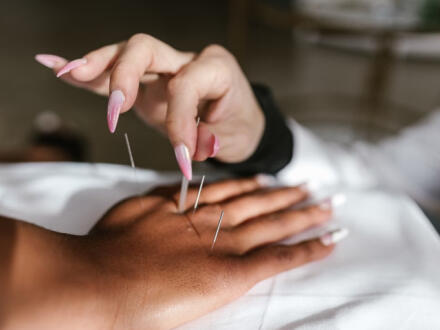
Students interested in acupuncture and Oriental medicine often need a broader search strategy because Missouri may have fewer state-specific awards with those exact words in the title. That does not mean funding is off the table. It means the search should include related terms like integrative health, complementary medicine, East Asian medicine, massage therapy, wellness studies, and clinical training.
A strong scholarship path here usually combines:
- Missouri-based general scholarships
- School-specific aid from the training program
- National professional association awards
- Community or cultural organization support
For example, a student planning to study acupuncture after a bachelor's degree might first use Missouri undergraduate aid to lower debt, then apply for specialty training scholarships later. Saving even $4,000 during pre-professional study can reduce pressure when graduate-level tuition begins.
Students should also build a clear personal statement. The best essays explain why acupuncture matters in patient care with concrete images: helping a migraine patient sit in a dark room without pain, or supporting a veteran who finally sleeps 6 straight hours after weeks of stress.
If the student has ties to agricultural or plant-based healing interests, broader Missouri awards may still fit during earlier college study. That crossover matters because many acupuncture applicants come from nutrition, biology, psychology, or wellness backgrounds rather than one single major.
7. Chiropractic And Holistic Health Scholarship Options Connected To Missouri Study Plans
Chiropractic students and future holistic health practitioners should search in layers. First come Missouri-based scholarships. Then come health science awards, community service scholarships, and profession-specific funding tied to spinal health, rehabilitation, or patient education.
This path works well because chiropractic study often starts with prerequisite coursework. A student may spend 2 to 4 semesters building credits in anatomy, biology, chemistry, and psychology before entering a professional program. Funding during that stage still counts.
Useful categories include:
- Pre-health scholarships for science students
- Leadership awards for students active in campus wellness groups
- Rural service scholarships for those planning to practice in smaller communities
- Continuing education awards for students already advancing in a health-related field
For returning or advancing students, the Missouri Chapter APWA continuing education scholarship application shows how nontraditional awards can support students who are already progressing through additional education.
A clear chiropractic application should mention outcomes, not just interest. Saying a student wants to help warehouse workers reduce back pain after 10-hour shifts is stronger than saying they are "passionate about health." One realistic clinic scenario can make an essay memorable fast.
Students with Missouri study plans should also ask whether local chiropractic clinics offer $500 to $2,000 sponsorships for interns or community outreach work. Small local awards are easy to overlook and often have fewer applicants.
8. Naturopathy, Herbal Studies, And Wellness-Focused Awards Worth Exploring
Naturopathy and herbal studies sit in an unusual scholarship space. Some schools support them directly, but many students need to assemble funding from adjacent areas like botany, nutrition, agriculture, community health, sustainability, and wellness education.
That overlap can actually help. A student studying herbal traditions might qualify for scholarships tied to plant science or agricultural leadership, especially in a state with strong farming communities.
Two useful examples of broader Missouri options are the Missouri Corn scholarship application and the Missouri's Cattlemen Foundation scholarship application. They will not fit every applicant, but students from rural or agricultural backgrounds should not ignore that connection.
Wellness-focused awards also appear in areas such as:
- Nutrition education
n- Community gardening
- Preventive health outreach
- Environmental health
- Women's wellness and family care
A strong herbal studies essay should sound grounded. It can mention 40 hours spent in a community garden, studying soil conditions, preparing teas, or teaching neighbors how to cook with healing herbs instead of leaning on vague language.
Students exploring naturopathy should also check whether their intended program qualifies for federal aid, private scholarships, or both. That answer changes the full budget picture more than many students expect.
9. Missouri School Financial Aid Offices And Program Departments That Can Uncover Hidden Funding
A lot of Missouri alternative medicine scholarships never show up in a public search. They sit inside school foundations, department budgets, clinic funds, or donor accounts that require one extra form or one email to unlock.
That is why students should contact both the main financial aid office and the program department. They do different jobs. Financial aid staff usually explain federal, state, and institutional aid. Department staff often know about donor-funded awards, lab stipends, and clinical support funds.
A student should ask about at least 5 categories:
- Department scholarships
- Emergency grants
- Book or equipment stipends
- Clinical placement support
- Work-study tied to wellness centers or labs
This can pay off quickly. A hidden $600 equipment stipend for massage tables, scrubs, anatomy models, or clinic shoes is still real money.
How To Ask About Department-Specific And Clinic-Based Awards
Students do not need a fancy script. A simple email works:
- Introduce the program of interest
- State enrollment status
- Ask whether the department has scholarships, donor awards, or clinic-based assistance
- Ask for deadlines and required materials
A message under 90 words is enough. For example, a student entering an integrative health track could ask whether patient clinic rotations come with fee offsets or travel support. That one question may uncover aid that never appears on a public list.
10. Scholarship Search Platforms, Local Foundations, And Community Sources That Expand Your Options
Students who rely only on Google usually miss good matches. The better approach is using scholarship platforms, local foundations, civic groups, employers, and community organizations together.
Local funding is often less crowded. A national scholarship may draw 5,000 applicants. A county-level award may draw 40. Even a $750 local scholarship can cover books, parking, and course materials for one term.
Students should search these sources:
- Community foundations in their county or city
- Local hospitals and wellness clinics
- Rotary, Kiwanis, and civic clubs
- Employers and union groups
- Church or faith-based education funds
- Free scholarship platforms with profile matching
Students with unusual backgrounds should search that angle directly. An arts student moving toward therapeutic movement or expressive wellness could still qualify for the Missouri State Thespians scholarship application if their record fits. Scholarship money is often more flexible than students expect.
How To Filter For Missouri Alternative Medicine Scholarships Efficiently
Efficient filtering starts with keyword variation. Students should search at least 8 phrases, including:
- Missouri alternative medicine scholarships
- integrative health scholarships
- holistic health scholarships
- wellness program scholarships
- acupuncture student scholarships
- chiropractic scholarships
- herbal studies scholarships
- complementary medicine funding
Then they should filter by state, grade level, intended major, and deadline month. A student who spends 25 focused minutes each week updating one spreadsheet with award name, amount, deadline, and status will stay ahead of most applicants. Organized students usually submit better applications because they are not rushing the night before.
Missouri Alternative Medicine Scholarships - FAQs
What types of Missouri alternative medicine scholarships are available for high school students?
High school students in Missouri can apply for alternative medicine scholarships by focusing on health, wellness, and agriculture-related awards. Programs like the Missouri 4-H Foundation Scholarships and civic leadership awards support early college costs for future health students.
How can first-year college students in Missouri find alternative medicine scholarships?
First-year students should inquire about major-specific scholarships, foundation awards for first-generation or rural students, and combined merit and departmental aid. Using platforms to match scholarships by major and location can reveal awards like the Missouri Chapter APWA Technology Scholarship.
What strategies improve chances of winning alternative medicine scholarships while already enrolled in college?
Current college students should update their scholarship searches each term and provide strong materials such as a GPA above 3.2, faculty recommendations, and documented clinic volunteer hours. Combining awards like those from the Kids' Chance of Missouri Scholarship helps reduce education costs effectively.
Are there specific scholarships for acupuncture and Oriental medicine students in Missouri?
Missouri acupuncture students can pursue scholarships by broadening searches to include terms like integrative health and complementary medicine. Combining Missouri-based aid, school-specific scholarships, and national association awards forms a strong funding path for acupuncture and Oriental medicine programs.
How can students efficiently find and apply for Missouri alternative medicine scholarships?
Students increase success by searching diverse keywords such as holistic health scholarships and wellness program scholarships, filtering results by state, major, and deadline. Maintaining an organized spreadsheet to track scholarships, amounts, and deadlines ensures timely and strong applications.
Why should Missouri students contact financial aid offices and departments about alternative medicine scholarships?
Many scholarships remain hidden within department budgets or donor funds. Contacting both financial aid offices and program departments uncovers donor awards, lab stipends, and clinic support funds. Simple inquiries can reveal assistance like emergency grants or equipment stipends to offset educational costs.




