

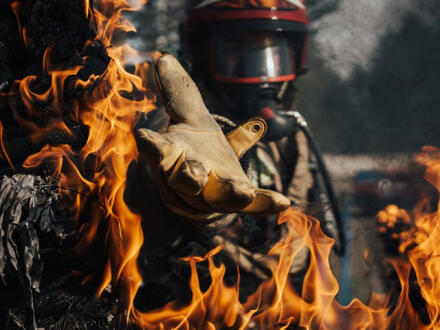
Fire science training is practical, intense, and rarely cheap. A student in Idaho may need money for tuition, bunker gear, EMT fees, background checks, fuel for clinical rides, and certification testing. At many community colleges, in-district tuition alone can run into the low thousands per year, and program extras can add another $800 to $2,500 fast.
That's where Idaho Fire Science Scholarships matter. The best options usually come from four places: fire service groups, colleges, local departments, and broad Idaho scholarship programs that can still cover fire science classes. Some awards are built for seniors in high school. Others fit first-year students, community college students, or students in university emergency management tracks.
This list focuses on 10 strong scholarship and funding paths future firefighters should check first. It also points out where each path makes the most sense, what kind of student usually fits it, and how to improve the odds of winning money.
For students using a scholarship search platform, speed matters. A two-minute application saved once is nice. A two-minute application saved across 12 scholarship entries can give back almost 24 minutes, which is often the difference between submitting and missing a deadline. That makes organized search tools, including StudentScholarships.org, especially useful for busy students balancing school, work, and volunteer hours.
1. Idaho Fire Chiefs Association Scholarships
The Idaho Fire Chiefs Association Scholarships are often the first place a serious fire science student should look. These awards tend to connect directly to the profession, which matters because career-linked scholarships usually reward students who already show service, discipline, and local ties.
A strong applicant often has at least 40 to 100 volunteer hours, CPR or EMT progress, and some record of public service. That can include Explorer posts, volunteer department work, SkillsUSA, or ride-alongs approved by a local agency.
Why this path stands out:
- High relevance to fire science compared with broad academic awards
- Better fit for students who can show a real service record
- Stronger value for applicants planning work in Idaho communities
A student from Nampa, for example, might pair a 3.4 GPA with 72 volunteer hours at community safety events, a letter from a battalion chief, and a short essay about structure fire response. That kind of file feels real. Reviewers notice that.
Application tips:
- Ask for recommendation letters 3 to 4 weeks early
- List exact certifications, such as CPR, First Aid, or HazMat awareness
- Quantify service: say "68 hours", not "a lot of volunteering"
These scholarships may not always be the largest on paper, but even a $500 to $2,000 award can cover books, lab fees, and one certification exam.
2. Idaho Fire Service Training College Scholarships
College-based fire service training scholarships are another smart route. These awards often come from a fire training division, workforce office, foundation, or financial aid department tied to the campus itself.
That matters because schools know the actual cost of the program. If a fire science certificate requires 12 credit hours one term and 9 the next, the college can sometimes shape aid around that load better than an outside donor can.
For Idaho students, the best move is to search both the program page and the general campus aid page. A student pursuing fire classes at a state institution may also find grants, work-study, and need-based packages through offices like ISU financial aid.
Students should watch for these college-level funding types:
- Department scholarships
- Workforce development grants
- Emergency services training support
- Foundation awards for technical programs
One common mistake is applying only once. Schools sometimes split awards by semester, and a student who files in fall but skips spring can miss half the available money.
Another good angle is stacking aid. A $1,200 departmental award plus a $750 book grant plus a campus work-study job can cover more than a single $2,000 scholarship. Fire science students should think in layers, not one big check.
3. Idaho Fire Science Scholarships For High School Students
Idaho Fire Science Scholarships for High School Students matter because the earliest money is usually the easiest money to plan around. A student who wins even $1,000 before graduation can lower first-semester borrowing, pay for EMT textbooks, or cover protective gear and testing.
High school seniors should look at both fire-specific awards and broad Idaho programs that still support career training. For example, some students may qualify through Idaho Opportunity aid, while college-bound seniors in qualifying programs may also fit GEAR Up Idaho support.
This category works well for students who already show direction. That can include:
- Fire Explorer participation
- EMT class enrollment
- Volunteer service at county fairs or safety events
- CTE coursework in public safety
A strong high school applicant does not need a perfect transcript. A student with a 3.1 GPA, 86 attendance rate over 90%, and 54 service hours may look stronger than a 3.8 student with no service story at all, especially for profession-based scholarships.
Students should also ask local counselors about region-specific funds. Idaho's smaller communities sometimes have civic awards under $500 that get fewer than 15 applications. Those are worth the time because the odds can be much better.
Eligibility Tips For Seniors Planning A Fire Science Degree
Seniors planning a fire science degree should build a simple file before application season starts. That file should include a résumé, transcript, activity list, and a draft essay of 350 to 500 words.
The most useful eligibility steps are straightforward:
- Keep GPA above the minimum, often 2.5 or 3.0
- Document exact volunteer hours
- Ask one teacher and one fire-service contact for letters
- List every certification, even short ones like CPR
- Note intended college, certificate, or AAS track
A practical example: a senior who spent 18 Saturdays helping with smoke-alarm installs can turn that into a sharp essay about prevention, not just suppression. That reads better than a generic "I want to help people" statement.
Students with financial need should also complete aid forms early. Missing a priority deadline by even 7 days can reduce access to grants that never need repayment.
4. Idaho Fire Science Scholarships For First-Year Students
Idaho Fire Science Scholarships for first-year students fill an awkward gap. Many freshmen think the scholarship hunt ends after high school, but colleges often reserve funding for students who have already enrolled, passed their first term, or declared a career path.
This is a big deal because first-year costs often spike. Beyond tuition, a student may spend $300 to $900 on boots, uniforms, medical clearance, and lab materials during the first stretch of training.
The best first-year strategy is to reapply fast and widely. Students who already have one semester transcript can show college attendance, completed credits, and a real GPA in fire-related classes. That makes them easier to evaluate than brand-new applicants.
Good first-year funding paths include:
- Campus foundation awards
- Retention scholarships for technical students
- Career pathway grants
- Fire department sponsorships tied to future service
A freshman at a two-year school might also combine major-specific aid with a statewide award like the Governor's Cup option, depending on fit and eligibility.
The key is proof of momentum. If a student completed 15 credits, earned a 3.25 GPA, and logged two clinical observation shifts, that story is stronger than a broad statement about future ambition. First-year committees want evidence that the student started and kept going.
5. Idaho Fire Science Scholarships For College Students At Community Colleges
For many students, community college is the smartest low-cost route into the fire service. Idaho Fire Science Scholarships for College students at community colleges can go further because the base tuition is often lower than a university bill.
That price difference matters. If one path costs $4,200 for tuition and fees and another lands closer to $8,900, a $1,500 scholarship stretches very differently.
Community college fire science students should focus on awards that value job readiness. Reviewers often like applicants who can explain a clear plan: finish the certificate, earn EMT, apply for reserve or volunteer service, then move into full-time testing.
Useful scholarship angles include:
- Need-based campus awards
- Technical education scholarships
- Rural workforce grants
- Community foundation support
Students from specific backgrounds may also find broader Idaho aid worth using toward fire science. For example, the Community Council of Idaho scholarship can be relevant for eligible students pursuing postsecondary training.
A solid community college application should include exact course goals. Saying "Fire Behavior, EMT, and Hazardous Materials Operations" is much better than "general classes."
Students should also ask whether the award can cover more than tuition. Some community college funds can pay for:
- Books
- Testing fees
- Required uniforms
- Travel to clinical sites
That extra flexibility can save $600 to $1,400 over a term, which is real money for a student commuting 22 miles each way.
6. Idaho Fire Science Scholarships For University Fire And Emergency Management Programs
Idaho Fire Science Scholarships for University students usually fit a slightly different path. These applicants may study fire administration, public safety, emergency management, or a related bachelor's program rather than a shorter certificate.
University costs are usually higher, but the scholarship pool can be wider too. A student in a four-year track may access department aid, transfer awards, leadership scholarships, residence-based grants, and federal or state packages through offices such as Boise State financial aid.
This route makes sense for students aiming at:
- Fire officer roles
- Emergency management positions
- Wildland coordination work
- Public administration in public safety
One example is a transfer student entering a university program after earning an associate degree. If that student brings 60 credits, a 3.4 GPA, and volunteer or paid response experience, the application can be strong across both merit and departmental categories.
Students should not assume "fire science" must appear in the scholarship title. Awards for leadership, public service, rural communities, or first-generation students can still help pay for emergency management coursework.
How To Compare Idaho Fire Science Scholarships For College Vs. University Costs
Students comparing college and university paths should calculate the real gap, not just tuition. The better number is total annual cost, including fees, books, gear, transport, and housing.
A simple comparison table helps.
| Cost Item | Community College Example | University Example |
|---|---|---|
| Tuition and fees | $4,200 | $8,900 |
| Books and supplies | $950 | $1,050 |
| Program gear and testing | $700 | $700 |
| Commuting or housing gap | $1,800 | $6,400 |
In that example, the gap is $9,400. That means a university scholarship package needs to be much larger before the higher-cost option becomes the cheaper one. This is why students should compare net cost, not brand name.
7. Idaho Fire Science Association Scholarships And Related Industry Awards
Idaho Fire Science Association Scholarships and similar industry awards are valuable because they come from people who understand the field. They know that students may be paying for ladders class, EMT practicals, and fuel to reach training yards at 6:30 a.m.
These awards may come from associations, training groups, safety organizations, labor groups, or career-adjacent supporters. Some are open only to members or family members. Others welcome any student entering fire, EMS, or emergency services.
A useful nearby example is the fire fighters benevolent scholarship, which shows how regional fire-service organizations often support students connected to the profession.
Why industry awards matter:
- They often reward service and commitment, not just GPA
- Essays can be more specific to fire and EMS work
- Applicant pools are sometimes smaller than broad state scholarships
A competitive file might show 120 volunteer hours, one incident command workshop, and a recommendation from a captain who supervised station tasks. That feels grounded.
Students should search beyond "scholarship" too. Some groups offer stipends, memorial funds, equipment reimbursement, or testing support worth $250 to $1,500. Smaller awards add up fast, especially when stacked across one school year.
8. Department-Sponsored Scholarships From Local Idaho Fire Districts
Local fire districts can be one of the best funding paths because they sometimes support future recruits directly. In smaller Idaho communities, a district may help pay for training in exchange for volunteer service, a work commitment, or participation in a resident program.
That arrangement can be more practical than a standard scholarship. Instead of waiting for a check, the student gets a direct path into experience, mentoring, and local contacts.
Common department-supported models include:
- Tuition reimbursement after passing classes
- Payment for EMT or fire academy fees
- Stipends for resident firefighters
- Volunteer training sponsorships
A realistic example: a rural district covers $1,800 of EMT tuition and $450 in books if the student completes the course and serves 12 months with the department. That is not flashy, but it can remove nearly the full first-semester training bill.
Students should ask direct questions:
- Is the money paid upfront or after completion?
- Is there a service commitment?
- What happens if the student changes majors?
- Are gear costs included?
This path works especially well for students who already live near the department. A 14-mile commute to weekly drill is very different from a 68-mile one. Distance affects whether the funding is truly practical.
9. National Fire And EMS Scholarships Idaho Students Can Use
Idaho students should not stop at state lines. National fire and EMS scholarships can sometimes beat local awards on dollar amount, with single scholarships ranging from $1,000 to $5,000 or more.
These programs often support students entering firefighting, EMS, paramedicine, public safety, or related health tracks. That overlap matters because many future firefighters start with EMT coursework, and some scholarships accept either route.
Students building a broader list may also look at support connected to allied health or community service, including options similar to the health professions fund when the training path includes recognized health coursework.
The strongest national applications usually include concrete evidence:
- GPA above the posted floor
- A service record with exact hours
- Financial need data
- A career statement tied to community impact
A national reviewer may read 300 applications. Vague essays blur together. A student who writes about assisting with 27 smoke-alarm installations or helping at 9 county event standby shifts gives the committee something visual and memorable.
Students should also watch stackability rules. Some national awards reduce school-based aid, but others do not. Asking that question before accepting an award can protect hundreds or even thousands of dollars.
10. General Idaho Scholarships That Can Help Pay For Fire Science Training
Some of the best money for fire science is not labeled "fire science" at all. General Idaho scholarships can still cover tuition, books, and living costs, which makes them useful for students in certificate, associate, or bachelor's paths.
This is often the widest pool. Students may qualify based on income, leadership, rural residency, first-generation status, community service, or a personal background that has nothing to do with the fire service itself.
Good examples include the Turn Around Scholarship Fund for students rebuilding their academic path and the Idaho Advocates award for a separate Idaho-based funding option.
Why these general awards matter:
- They can cover gaps that fire-specific awards miss
- They often have larger applicant pools, but also more total money
- They help with living costs, not just direct program expenses
A student paying $525 monthly for rent and $110 weekly for gas and groceries may need unrestricted aid more than a gear-only award. General scholarships can solve that problem.
The best strategy is to mix categories. A future firefighter might apply for:
- 3 fire-service scholarships
- 4 general Idaho scholarships
- 2 college-based awards
- 1 local department sponsorship
That is 10 applications. If just 2 pay out at $1,000 each, the student cuts a meaningful chunk from the bill.
Idaho Fire Science Scholarships - Frequently Asked Questions
What types of scholarships are available for Idaho students pursuing fire science?
Idaho offers scholarships from fire service groups, colleges, local fire departments, and general state programs that support fire science tuition and related costs. Options vary for high school seniors, first-year students, community college learners, and university emergency management tracks.
How can high school seniors in Idaho prepare to apply for fire science scholarships?
High school seniors should build a file including a résumé, transcript, activity list, essay, and documentation of volunteer hours or certifications like CPR. Applying early and checking programs like the GEAR Up Idaho Scholarship can improve chances.
Are there scholarships specifically for Idaho community college fire science students?
Yes, community college students can find need-based awards, workforce grants, and foundation support that cover tuition, books, uniforms, and travel expenses. For example, the Community Council of Idaho Hispanic Scholarship is one option for eligible learners.
Why should Idaho fire science students consider scholarships from local fire departments?
Local fire districts may offer tuition reimbursement, stipends, or payment for certification fees in exchange for volunteer service or work commitments, providing practical support and direct career experience linked to scholarship funding.
Can general Idaho scholarships help pay for fire science training costs?
Absolutely. Broad scholarships like the Idaho Turn Around Scholarship Fund or the Idaho Advocates Scholarship can cover tuition, living expenses, and other costs not addressed by fire-specific awards.
What is the best strategy to maximize Idaho fire science scholarship opportunities?
Students should apply to a mix of scholarships including 3 fire-service awards, 4 general state scholarships, 2 college-based funds, and 1 local department sponsorship. Organized platforms help manage applications, saving time and increasing chances to secure funding.




