

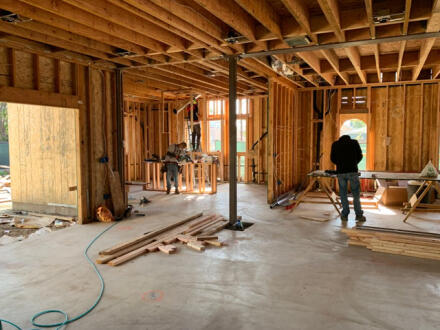
Building inspection is not the first career path most students hear about, but it can lead to steady pay, practical work, and a clear role in public safety. Inspectors review homes, schools, offices, and job sites for code compliance, structural issues, fire safety, and basic livability. The U.S. Bureau of Labor Statistics reports median pay of $67,700 for construction and building inspectors, which is a strong target for students who want a technical career without spending a decade in school.
That makes Arkansas Building Inspection Scholarships worth serious attention. Students do not always find one scholarship labeled "building inspection," but they can still piece together funding through construction, code enforcement, safety, facilities management, skilled trades, and broader built-environment programs.
This list focuses on 10 realistic funding paths for high school students, first-year students, community college learners, and university students in Arkansas. It also helps readers connect the dots between scholarships and the training that inspection work often requires, such as coursework in construction technology, drafting, engineering technology, building systems, or safety.
For students who want a faster search process, Studentscholarships.org can help narrow options and spot matches in just a few minutes. That matters when deadlines stack up and every missed form can cost hundreds or even thousands of dollars.
1. Arkansas Building Inspection Association Scholarships: The Most Direct Industry Option
The most obvious place to start is the trade group route. Arkansas Building Inspection Association Scholarships or similar industry-backed awards are often the closest fit because they support students preparing for inspection, code, permitting, facilities, or construction oversight roles.
These scholarships matter because industry groups know the hiring gaps. The International Code Council reports that the code official workforce faces a major retirement wave, with many jurisdictions struggling to replace experienced inspectors. That shortage creates real opportunity for students who can show interest in codes, plan review, and site compliance.
Students should look for associations connected to:
- building inspection
- code enforcement
- home building
- construction management
- facilities operations
- school plant management
A practical example: a student taking construction technology at a two-year school could frame his or her goal around reading plans, checking foundation work, and moving toward residential inspection credentials. That is far stronger than writing, "I like buildings."
A related industry funding path appears in the builders scholarship page, which shows how builder-backed support can align with inspection-adjacent careers.
Another close-fit option is the school plant scholarship. Facilities management and inspection overlap more than students think, especially around safety checks, maintenance standards, and building systems.
2. Arkansas Building Inspection Scholarships For High School Students Exploring Construction Careers
Arkansas Building Inspection Scholarships for High School Students often show up under broader career and technical education categories. That means students should search beyond the exact phrase "building inspection" and include construction, HVAC, drafting, electrical, plumbing, and safety programs.
High school is the best time to start because small awards stack. A student who wins three $1,000 scholarships cuts $3,000 off first-year costs before classes even begin. For many families, that covers books, tools, fees, and part of tuition.
The first targets should be statewide aid and readiness-based awards. The Arkansas Academic Challenge listing is one example of broad state support that can work for students entering technical or degree pathways tied to inspection work.
Students exploring this path should build an application around evidence, not vague interest. Good proof includes:
- CTE coursework in construction or engineering
- OSHA safety training
- job shadowing with a contractor or inspector
- SkillsUSA participation
- volunteer work on housing or community repair projects
One strong essay angle is simple: a student notices repeated drainage issues and rotting porch steps in older homes in his town, then connects that experience to a goal of preventing unsafe housing. That feels real because it is real.
The National Center for Education Statistics has long shown that students in focused career pathways are more likely to connect school to work goals. Scholarship reviewers can tell when that connection is genuine.
3. Arkansas Building Inspection Scholarships For First-Year Students Starting Strong
Arkansas Building Inspection Scholarships for first-year students are especially valuable because the first two semesters often bring the highest sticker shock. Tuition deposits, program fees, laptops, steel-toe boots, measuring tools, and transport costs can hit all at once.
This is where students should combine targeted scholarships with broader freshman aid. A first-year student entering Arkansas State, for example, might fit awards such as the A-State Scholar option or the ASTATE Leadership award, depending on academic profile and campus involvement.
A smart first-year strategy has three layers:
- one state or institutional award
- one local scholarship
- one industry or career-linked award
That mix matters. If each source provides $1,500, the student builds $4,500 in support instead of relying on one hard-to-win application.
For essays, first-year applicants should answer one question clearly: Why building inspection, and why now? Good responses mention a starting point, such as drafting class, a summer framing job, or interest in safe housing after storm damage.
They should also mention the actual training path. For example, a student can explain plans to begin in construction management or engineering technology, then add code certifications later. That shows a realistic path instead of a fuzzy dream.
And yes, first-year students often think they have "nothing to say." Usually they do. One summer on a job site provides more material than six generic sentences about working hard.
4. Arkansas Building Inspection Scholarships For College Students In Related Technical Programs
Many of the best Arkansas Building Inspection Scholarships for College are not labeled for inspectors at all. They sit inside related technical programs where the course content lines up with inspection work.
Strong matches include:
- construction technology
- civil engineering technology
- architectural drafting
- HVAC technology
- electrical systems
- plumbing technology
- occupational safety
Why do these programs fit? Inspectors need to understand how buildings go together. They read plans, recognize unsafe work, and compare what they see on site against adopted codes and standards. A student who has studied framing loads, ventilation, or service panel basics brings real value.
A specific example helps. A community college student in HVAC who learns combustion air rules, duct sizing, and moisture control is already building knowledge that matters during mechanical inspections and occupancy reviews.
Students should also search campus foundation awards and departmental aid. Schools often have smaller funds ranging from $500 to $2,500 that attract fewer applicants than big statewide programs.
This is also a good place to connect inspection goals to underused scholarships outside the exact title. The Beyond Boundaries award may fit students whose academic path crosses program lines, especially when they can explain how technical study supports long-term public safety and compliance work.
The key message for reviewers is direct: the student is not "sort of" interested in construction. The student is building code-relevant knowledge step by step.
5. Arkansas Building Inspection Scholarships For University Students Pursuing Broader Built-Environment Degrees
Arkansas Building Inspection Scholarships for University students often connect to broader majors. That includes construction management, civil engineering, architecture, environmental design, facilities management, and public administration programs with a code or infrastructure angle.
This matters because many inspectors do not start in a major called "building inspection." They arrive there through wider built-environment training, then add certifications and field experience later.
A university student can make a strong case by linking course work to inspection tasks. For example:
- structural classes support foundation and framing review
- environmental systems classes support ventilation and moisture analysis
- project management classes support documentation and compliance tracking
- public policy classes support municipal code work
The University of Arkansas Chancellor's scholarship page is a useful example of broader campus support that can still help a student moving toward inspection-related work.
Students at urban campuses may also find leadership or community-linked aid such as the UALR CLC scholarship. Those awards can fit well for students interested in housing quality, neighborhood safety, or city compliance roles.
According to the International Association of Certified Home Inspectors, inspection work depends heavily on communication and reporting, not just technical knowledge. That is why broader university programs can still be a strong match. An inspector has to write clearly, explain defects, and document evidence without guessing.
6. Community Foundation Scholarships That Can Support Building Inspection Goals
Community foundations are one of the most overlooked funding paths on this list. They are useful because they often support local students across many majors, including technical education, public service, and workforce preparation.
For Arkansas students, the community foundation scholarship listing is an important starting point. Local awards may be smaller than major state programs, but they can be easier to win because the pool is narrower.
A county-level scholarship of $1,200 may not sound huge. But if tuition for one technical semester runs $2,950, that award can cover more than 40% of the bill. That is real money, not pocket change.
Community foundation applications also reward local stories. A student from a flood-prone area can connect building inspection goals to:
- safer rebuilding
- stronger code awareness
- housing quality in older neighborhoods
- better maintenance in schools and public buildings
This section is where specificity wins. "I want to help my community" is weak. "They saw three rental homes on one block with broken handrails and exposed wiring, and they want to work in code enforcement to reduce those hazards" is much stronger.
Local reviewers know the roads, towns, and problems being described. That gives students an advantage if they write like someone who actually lives there, because they do.
7. Workforce Development Grants For Code Enforcement, Construction, And Skilled Trades Education
Not every funding source is a scholarship. Workforce grants can be just as useful, especially for students who want short-term training that leads to inspection-related work faster.
Arkansas students should pay attention to grants tied to:
- skilled trades training
- apprenticeship support
- adult education
- municipal workforce needs
- safety and compliance training
These programs can cover tuition, testing fees, tools, or required gear. In some cases, the value is bigger than a private scholarship. A grant covering 100% of a $4,200 certificate beats a one-time $750 award every time.
The U.S. Department of Labor has repeatedly backed apprenticeship and work-based learning as a path into construction and related technical fields. That matters for inspection because many inspectors first work as electricians, carpenters, HVAC technicians, or code clerks.
State-level aid may also fit this route. The Arkansas Promise listing is one example students should review when they are building a broader funding plan around training and college entry.
A realistic scenario: a student completes a one-year construction technology program, works with a local builder for 18 months, then moves into permit support or trainee inspection work. That path is not glamorous. It is practical, affordable, and common.
Students who need fast entry into paid work should not ignore grants just because the word "scholarship" is missing.
8. Trade School And Community College Awards Linked To Inspection-Ready Training
Trade schools and community colleges are often the most direct route into inspection-ready skills. They teach the nuts and bolts of buildings: framing, systems, materials, safety, plan reading, and job-site standards.
That matters because many inspection roles value hands-on knowledge as much as classroom theory. An employer would rather hire someone who can spot a bad flashing detail on a wet roof than someone who writes elegant but vague essays about infrastructure.
Good program areas include:
- building trades
- construction management technology
- industrial maintenance
- electrical technology
- HVAC and refrigeration
- drafting and CAD
Students should ask each campus about program-specific awards, because those can be lightly advertised. Departments sometimes hold small funds from local contractors, retired faculty, or regional employers. Awards of $800, $1,500, or $2,000 are common enough to matter.
The American Association of Community Colleges has long pointed to two-year colleges as major workforce pipelines. For inspection careers, that pipeline is strong because students can gain practical skill quickly, then add certifications later.
A strong application should name actual inspection tasks the training supports. For example, an electrical technology student can mention future work checking service equipment clearances, bonding, grounding, and panel labeling. That sounds informed because it is grounded in real work, not brochure language.
9. Employer-Sponsored Tuition Assistance For Students Entering Inspection And Compliance Roles
Employer tuition help is easy to miss because students often focus only on scholarships. But companies, municipalities, school districts, utilities, and large contractors sometimes reimburse classes that support inspection, facilities, or compliance work.
This option works especially well for students already employed part-time or full-time. A maintenance assistant, permit clerk, housing staff member, or apprentice may qualify for tuition support if the classes connect to job duties.
A basic employer-assistance package might cover:
- $2,000 per semester in tuition reimbursement
- exam fees for code-related coursework
- mileage for approved training
- paid release time for selected classes
The Society for Human Resource Management has reported that education benefits remain a major retention tool for employers. That gives students a useful talking point when they approach HR or supervisors: training in codes, safety, and building systems helps the employer too.
This path is especially strong for students heading toward public-sector inspection jobs. Cities and counties need workers who understand paperwork, property issues, and field conditions. Someone who starts in an entry role can study at night and move up.
A concrete example: a school facilities employee takes evening courses in building systems and safety compliance, receives 50% tuition reimbursement, and later shifts into inspection-heavy maintenance oversight. That is slower than a straight scholarship route, but it can leave the student with far less debt.
10. National Construction, Safety, And Building Code Scholarships Arkansas Students Can Use
National scholarships widen the field fast. They are useful for Arkansas students who cannot find enough local money under the exact phrase Arkansas Building Inspection Scholarships.
Good national categories include construction education, occupational safety, engineering technology, fire protection, and code administration. Awards in these spaces often range from $1,000 to $5,000, and some go higher.
A student pursuing inspection can make these awards fit by showing how the training connects to public safety, compliance, and building performance. That includes everything from stair geometry and guardrail height to moisture intrusion and mechanical ventilation.
How To Match National Awards To An Arkansas Building Inspection Career Path
The best matches are not always obvious. A national safety scholarship may fit a future inspector better than a generic academic award because inspection work depends on hazard recognition.
Students should map each award to one of these routes:
- residential inspection, often through construction, systems, and reporting knowledge
- commercial code inspection, often through broader code and plan review training
- facilities or school inspection work, often through maintenance and operations coursework
- municipal compliance roles, often through public administration plus code knowledge
For STEM-heavy students, the Louis Stokes scholarship page may support a technical route that later feeds into inspection or infrastructure oversight.
Application Tips To Improve Your Odds For Niche Scholarship Programs
Niche programs reward clear fit. Reviewers usually spot generic applications in the first 30 seconds.
Students improve their odds when they do four things well:
- name the exact job goal, such as residential inspector or code compliance officer
- connect current classes to actual field tasks
- include one concrete experience, like documenting unsafe deck stairs at work
- show the next step, such as earning a certificate, degree, or entry credential
One more tip: use numbers. "They completed 120 hours in construction lab" is stronger than "they spent a lot of time in lab." Precision makes an application feel credible.
Arkansas Building Inspection Scholarships FAQs
What types of scholarships are available specifically for building inspection students in Arkansas?
Arkansas offers scholarships directly through industry groups like the Arkansas Building Inspection Association, as well as related programs in construction management, code enforcement, facilities management, and skilled trades. These align closely with inspection career needs.
How can high school students in Arkansas qualify for building inspection scholarships?
High school students should pursue CTE courses in construction or engineering, obtain OSHA safety training, participate in SkillsUSA, and gain job shadowing or volunteer experience to strengthen their applications for construction or technical education scholarships.
Which broader degree programs can help students qualify for Arkansas building inspection scholarships?
Degrees in construction technology, civil engineering technology, architectural drafting, HVAC, electrical or plumbing technology, and occupational safety are common pathways. These programs provide essential technical knowledge inspectors need.
Are there scholarships for first-year Arkansas college students interested in building inspection careers?
Yes, first-year students can combine state or institutional scholarships with local and industry awards. Programs like the A-State Scholar and ASTATE Leadership scholarships support students starting construction or code compliance studies.
Can community foundation scholarships support building inspection students in Arkansas?
Absolutely. Local community foundation scholarships often support technical education and public service goals related to building inspection, especially when applicants connect their goals to community safety and housing quality challenges.
What are effective tips for applying to niche building inspection scholarships?
Applicants improve their chances by clearly stating their specific job goals, linking coursework to real inspection tasks, citing concrete hands-on experiences (like identifying building defects), and outlining their next educational or certification steps.




