

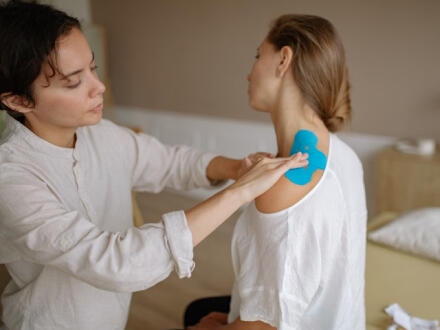
Ohio sports medicine scholarships can come from more places than most students expect. They are not limited to one major, one school, or one type of applicant. A student who wants to become an athletic trainer, exercise physiologist, physical therapist, team physician, strength coach, or rehab specialist can often qualify through health, science, leadership, service, or community-based awards.
That matters because college costs add up fast. The average published tuition and fees for an in-state public four-year college topped $11,000 per year, while private nonprofit colleges averaged more than $43,000, based on College Board pricing data. Add books, housing, lab fees, and travel, and a single missed scholarship can cost a student real money.
For students searching for Ohio Sports Medicine Scholarships for High School Students, Ohio Sports Medicine Scholarships for College, or Ohio Sports Medicine Scholarships for University programs, the best move is to think wider than the exact phrase "sports medicine." Many strong opportunities sit under athletic training, kinesiology, exercise science, pre-med, rehabilitation, and local foundation funding.
This guide breaks the search into 11 practical buckets. It covers association awards, university-based funding, first-year options, local community grants, and search tactics that help Ohio students find more scholarships with less guesswork.
1. Ohio Sports Medicine Association Scholarships
Students often start with Ohio Sports Medicine Association Scholarships because these awards match the field most closely. Even when a state association offers only a small number of scholarships, the fit can be strong, and strong fit usually means better odds.
A sports medicine association may favor students in:
- Athletic training
- Exercise science
- Sports rehabilitation
- Team physician pathways
- Related clinical support roles
The key is to watch for awards tied to membership, conference attendance, volunteer service, or academic standing. A scholarship pool with 40 applicants and 2 awards is far less crowded than a large national contest with 2,000 applicants.
Students should also look for proof that they already care about injury prevention. Good examples include shadowing an athletic trainer for 30 hours, volunteering at a 5K race medical tent, or helping with school taping and recovery support under supervision.
A practical angle helps too. An essay about how a hamstring strain affects sprint mechanics will usually land harder than a vague statement about "loving sports." If a student has dealt with recovery personally, the story can feel even more grounded.
For students building a wider list, sports-adjacent awards such as the sport injury scholarship can fit a sports health narrative when the application ties injury recovery to future career goals.
2. University Scholarships For Sports Medicine And Athletic Training Students In Ohio
Many of the best Ohio Sports Medicine Scholarships for University students sit inside the college itself. They may not appear on public search pages, which is why students who only use search engines often miss them.
Ohio universities commonly award funding through:
- Athletic training programs
- Exercise science departments
- Colleges of health sciences
- Honors programs
- Alumni and donor funds
Some campus awards are automatic. Others require a separate form, faculty nomination, or a FAFSA on file. Missing one deadline by 7 days can mean losing $1,500 to $5,000 in aid.
Students should ask three specific questions:
- Are there departmental scholarships for declared majors?
- Are there donor awards for clinical hours, leadership, or service?
- Are transfer and continuing students reviewed separately?
This matters because sports medicine is often a pathway major. A student may begin in exercise science, move into athletic training, then apply to graduate study later. Each stage can open new aid.
At schools with broad first-year funding, awards such as the Greater Cleveland freshman scholarship can reduce the first bill even if the scholarship is not labeled sports medicine. That can free up cash for lab fees, CPR certification, and clinical travel.
3. College Scholarships For Ohio Students Pursuing Sports Medicine Pathways
A lot of Ohio Sports Medicine Scholarships for College students are really pathway scholarships. They support the steps around the career, not only the final job title.
A student headed toward sports medicine might major in:
- Biology
- Health science
- Exercise physiology
- Nutrition
- Psychology
- Athletic training
That wider lens matters because sports medicine teams are multidisciplinary. A typical care plan can involve 1 physician, 1 athletic trainer, 1 physical therapist, and 1 strength coach. Scholarship committees know that.
Students should build a "career cluster" list rather than a single-major list. A future team rehab specialist may qualify for science awards, service awards, leadership awards, and general Ohio awards at the same time.
This is also where free matching tools can help. A student using a broad scholarship directory can sort by state, major, and personal profile, then save time on smaller applications. On platforms like scholarship matches, students can often spot awards they would never think to search by name.
For example, an applicant who played varsity soccer, carried a 3.6 GPA, and wants to study kinesiology might fit sports-themed scholarships even if the title mentions athletics, media, or community impact instead of medicine directly. That kind of overlap is where extra money hides.
4. Ohio Sports Medicine Scholarships For High School Students Planning Ahead
Ohio Sports Medicine Scholarships for High School Students often reward planning more than specialization. A junior or senior does not need a perfect career plan. But they do need evidence that they've started moving.
Strong high school signals include:
- Sports medicine club participation
- HOSA involvement
- Anatomy or AP Biology coursework
- Volunteer hours with youth sports
- First aid or CPR certification
- Job shadowing in a clinic
Even 20 shadowing hours can make an essay more convincing. It gives a student real details: the smell of athletic tape, the rush before kickoff, the quiet routine of range-of-motion checks in a rehab room.
Students should also look at broader Ohio youth programs. Awards connected to service, agriculture, and leadership can still help future sports medicine students if the application story is strong. Programs like Ohio 4-H scholarships can fit students who built leadership and health education skills through community projects.
Planning ahead also improves recommendation letters. A coach who has watched a student help injured teammates over 2 full seasons can write with more detail than a teacher asked at the last minute. Those specifics often separate finalists from everyone else.
5. Ohio Sports Medicine Scholarships For First-Year Students Entering College
The first semester is expensive. That is why Ohio Sports Medicine Scholarships for first-year students matter so much. Students face orientation costs, housing deposits, scrubs, textbooks, and program fees before classes even feel normal.
First-year scholarships usually focus on:
- GPA and transcript strength
- Test-optional academic review or class rigor
- Leadership and service
- Financial need
- Intended major or career interest
A first-year student does not need clinical experience equal to a senior's. Committees often want proof of direction instead. A clear statement such as "they plan to study exercise science, complete 50 clinical observation hours, and apply to athletic training pathways" works better than a broad statement about helping athletes.
Students should search early in senior year and keep applying after admission. Many colleges reopen smaller pools once deposits are in. Others award funds after students join a program and meet basic grade thresholds like 3.0 or 3.25.
Sports-themed freshman awards can add useful stackable money. A student interested in the business and future of sports may find value in the future of sports program, especially if they can connect athlete care, performance data, and sports health trends in the essay.
6. Athletic Training Scholarships At Ohio University Programs
Athletic training is one of the clearest direct routes into sports medicine. So students should pay close attention to university programs in Ohio that support clinical education, practicum work, and professional preparation.
Athletic training students often face extra costs beyond tuition:
- Clinical travel to partner sites
- Immunizations and health records
- Background checks
- Certification exam prep
- Professional membership fees
Those extras can total $600 to $1,800 depending on the program. A small scholarship can cover a surprisingly painful part of the bill.
Students should ask each program whether it has:
- Departmental scholarships
- Need-based awards for clinical students
- Emergency grants for travel or supplies
- Donor funds for women in sports health or first-generation students
This section matters because not every university labels aid the same way. One campus may file athletic training support under allied health. Another may place it under exercise science.
Students who want a sports-centered award outside direct medical training can also scan options like the Sports Unlimited scholarship. It will not replace department aid, but it can stack with campus funding and reduce out-of-pocket costs for required gear or exam fees.
7. Exercise Science And Kinesiology Awards That Can Lead Into Sports Medicine Careers
Exercise science and kinesiology are major feeders into sports medicine careers. They study movement, performance, conditioning, fatigue, and recovery. That is the same ground sports medicine students walk every day.
The U.S. Bureau of Labor Statistics reports a median pay of $58,160 for exercise physiologists. That number helps students explain why the degree has a clear career path, especially when paired with graduate study or certification.
Scholarships in this area may favor students interested in:
- Biomechanics
- Strength and conditioning
- Cardiac rehab
- Human performance
- Research on injury prevention
A good application should connect classroom science to athlete care. For example, a student might explain how understanding force production during a jump can help reduce ACL risk. That is more persuasive than simply saying they enjoy fitness.
Students should also use related scholarships when their profile overlaps. A community-minded applicant with school leadership may fit the Ohio Community Involvement scholarship, even if the award itself is not tied to kinesiology by name.
And when a student has actual data from a class project, even better. Mentioning that a balance-screening project tested 18 athletes and found asymmetry in 5 of them gives the essay weight.
8. Pre-Med, Health Science, And Rehabilitation Scholarships With Sports Medicine Relevance
Not every future sports medicine professional majors in sports medicine. Some start in pre-med, health science, nursing-adjacent studies, or rehabilitation tracks and later move toward orthopedic or athlete-focused care.
That creates more scholarship lanes than students expect. Relevant categories include:
- Pre-med science awards
- Health science scholarships
- Rehabilitation and therapy support
- Nursing and patient-care scholarships
- Human anatomy and physiology awards
This route is especially useful for students aiming at physician, physician assistant, physical therapy, or rehab roles. A sports medicine doctor still needs the same basic science foundation as other physicians. Organic chemistry may not sound like the football sideline, but it is part of the path.
A good example is nursing-related aid that supports students learning patient assessment, injury response, and recovery care. Programs such as the Ohio Nurses Foundation scholarships can matter for students whose long-term goal involves sports rehabilitation or orthopedic care.
Specific examples help here. A student who assisted during 12 wrestling meets and saw dehydration, mat burns, and shoulder strains can explain why they now want training in acute care and rehab science. That story feels real because it is real.
9. Hospital, Clinic, And Foundation Scholarships Connected To Sports Health Careers
Hospitals, private clinics, and nonprofit foundations can be strong sources of local funding. These groups often invest in future healthcare workers because they want a talent pipeline close to home.
A regional hospital may prefer applicants who:
- Live within a set county area
- Plan to return after graduation
- Show service in health settings
- Pursue shortage fields or rehab care
This is useful for sports medicine students because athlete care happens in clinics, hospitals, imaging centers, surgery groups, and outpatient rehab spaces. Even if the scholarship says "healthcare" instead of "sports medicine," the fit may still be solid.
Students should watch local systems for volunteer pathways too. A student who logged 75 hospital volunteer hours can often write a stronger application than one relying only on classroom interest.
Foundation scholarships may also value public communication about health and sports. That is why unusual options can still fit. For instance, the sports media scholarship could support a student interested in athlete health education, injury reporting, or public-facing performance content.
The big idea is simple: follow the mission of the donor. If the donor funds health, recovery, youth sports, or community wellness, a sports medicine student may belong in that pool.
10. Local Community Foundation Scholarships Across Ohio
Local community foundations are one of the most overlooked scholarship sources in Ohio. That is surprising, because local pools are often smaller and less crowded than national awards.
A county or regional foundation may manage 20 to 200 separate funds. Some are broad. Some are extremely specific, such as students from one school district, one county, or one family background.
That specificity helps applicants. If only 63 students qualify for a fund, the odds can be far better than a national scholarship with thousands of entries.
Students pursuing sports medicine should search by:
- County name
- City name
- School district
- Intended college major
- Health or medical interest
- Athletics and leadership
Regional funds like the Ohio Valley scholarship show why local searching matters. A student does not need every scholarship to say "sports medicine." They need enough overlap in geography, academics, service, and career direction.
Strong local essays often mention place-based details. A student might describe Friday night football injuries in a rural district with one small rehab clinic 28 miles away. That paints a clear picture of why local healthcare training matters and why the student wants to come back.
11. Scholarship Search Strategies That Help Ohio Sports Medicine Students Find More Awards
Students who win more scholarships usually do not have one secret advantage. They run a better system. That system turns a random search into a repeatable routine.
A simple scholarship process can look like this:
- Build a spreadsheet with deadline, amount, essay topic, and status
- Search by major, career path, county, identity, sport, and service
- Reuse essay blocks for leadership, adversity, and career goals
- Request 3 recommendation letters early
- Submit at least 2 applications per week
A student who applies to 24 scholarships with an average value of $1,250 creates a possible pool of $30,000. They will not win all of it, of course. But even a 10% success rate could mean $3,000.
The strongest searches also look beyond obvious keywords. Instead of only typing "sports medicine scholarships," students should try athletic training, kinesiology, rehab science, exercise physiology, orthopedic care, health sciences, and local county terms.
Tools that keep scholarships in one place can save a lot of time. On large free databases, students can filter faster and avoid missing smaller awards hidden under odd labels like leadership, youth athletics, or injury recovery.
Where To Look First
The best first stops are the places closest to the student's actual profile. That means the student's school, intended college, county foundations, and major-related departments.
A smart order is:
- High school counseling office
- Financial aid office at each Ohio college
- Department chair for athletic training, kinesiology, or health science
- Local foundation databases
- Statewide scholarship platforms
- Sports and injury-related specialty awards
This order works because local and institutional scholarships often have better odds. A campus department may review 45 applicants for one donor fund, while a giant national award may pull 4,500 entries.
Students should also search for adjacent themes. Community service, women in higher education, rural health, and first-generation aid can all fit sports medicine pathways. A student from a 4-H background might match The Ohio County 4-H Scholarship if leadership and service are part of the story.
And one last practical tip: keep applying after the first award arrives. Many students stop too early. The ones who keep going through spring and summer often pick up the smaller $500 to $2,000 awards that close the final tuition gap.
Ohio Sports Medicine Scholarships: Frequently Asked Questions
What types of students qualify for Ohio sports medicine scholarships?
Ohio sports medicine scholarships are available to students pursuing careers as athletic trainers, exercise physiologists, physical therapists, team physicians, strength coaches, or rehab specialists. They also consider applicants from health, science, leadership, service, or community backgrounds.
How can high school students prepare to qualify for sports medicine scholarships in Ohio?
High school students should participate in sports medicine clubs, HOSA, take coursework like anatomy, volunteer in youth sports, earn first aid or CPR certification, and complete job shadowing hours to build a strong application for Ohio scholarships.
Where can Ohio university students find scholarships specifically for sports medicine and athletic training?
Many Ohio universities offer scholarships through athletic training programs, exercise science departments, health sciences colleges, honors programs, and alumni funds. Students should inquire about departmental awards and donor scholarships tied to clinical hours, leadership, or service.
Can sports medicine students in Ohio benefit from scholarships outside the direct sports medicine field?
Yes, scholarships in related areas like biology, health science, exercise physiology, pre-med, rehabilitation, and leadership can support sports medicine pathways. Applying broadly to career cluster awards increases scholarship opportunities.
What strategies help Ohio sports medicine students find more scholarships?
Effective strategies include maintaining a detailed spreadsheet of deadlines and essay topics, searching by major and location, reusing essay material, requesting recommendations early, and applying to multiple scholarships weekly. Searching beyond obvious keywords like athletic training or kinesiology is helpful.
Are there local scholarship options for sports medicine students in Ohio?
Local community foundations and hospitals often offer smaller, less competitive scholarships specifically for students from certain counties or school districts pursuing health or sports medicine careers. Applying locally improves chances and can complement other awards.




