

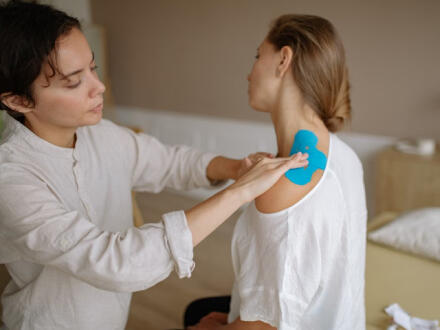
Students who want to study sports medicine in Alaska often start with one big question: where can they find real money for school? The answer is better than it may look at first glance. Alaska athletic training scholarships can come from state programs, athletic associations, colleges, health-related majors, and broad scholarships that still fit future athletic trainers.
That matters because athletic training is not a low-cost path. Tuition, lab fees, textbooks, CPR certification, travel to clinical sites, and exam prep can stack up fast. At the same time, the job outlook is strong. The U.S. Bureau of Labor Statistics reports 13% job growth for athletic trainers and a median annual pay of $57,930. That gives students a solid reason to invest in the field.
This guide breaks the search into five practical funding paths. It covers Alaska Athletic Training Association scholarships, options for high school seniors, first-year funding, support for current college students, and awards for students in related majors such as kinesiology and exercise science.
The goal is simple: help students spot funding they can actually use, build stronger applications, and stack smaller awards into one workable college plan. For students using free scholarship search tools, organized lists like this can cut hours off the hunt and make deadlines easier to track.
1. Alaska Athletic Training Association Scholarships For Future Sports Medicine Professionals
For students aiming straight at sports medicine, Alaska Athletic Training Association Scholarships are one of the most logical starting points. Association-based awards tend to favor applicants who already show a clear interest in injury prevention, rehab, emergency care, and athlete support.
That focus matters. A general scholarship may reward grades alone, but athletic training awards often look for proof that a student understands the field. A candidate who spent 120 hours helping with high school team hydration, taping observation, or rehab room setup usually stands out more than a student with only a strong GPA.
Students should also think beyond one award. An association scholarship worth $1,000 to $2,500 can cover books, one semester of housing costs, or certification-related expenses when paired with campus aid.
A smart comparison point is the national athletic trainers scholarships, which show how field-specific groups often reward academic performance plus service to the profession.
Who Qualifies And What Selection Committees Usually Look For
Most committees want a mix of academic readiness, field interest, and service. They are not just paying for a student to attend college. They are backing someone who looks likely to stay in sports medicine.
Common things they usually review include:
- GPA, often around 3.0 or higher
- Coursework in biology, anatomy, health, or chemistry
- Volunteer work with school teams, clinics, or community sports
- A personal statement that explains why athletic training instead of speaking in broad terms
- Recommendation letters from coaches, science teachers, athletic trainers, or health instructors
Selection committees often prefer specific stories. For example, "she helped track rehab exercises for 18 volleyball players during a fall season" is much stronger than "she likes sports medicine."
They may also notice whether the student understands the role. Athletic trainers do more than hand out ice bags. They assess injuries, assist with return-to-play plans, track recovery, and respond during emergencies. A student who can explain that clearly sounds prepared.
How To Strengthen Your Application With Clinical, Volunteer, And Leadership Experience
Students do not need paid medical experience to build a strong file. They do need documented, relevant activity. Even 40 to 60 hours of consistent exposure can help if the work is real and the essay explains what was learned.
Useful experience can include:
- Shadowing a school or clinic athletic trainer
- Volunteering at wrestling tournaments, ski races, or youth basketball events
- Assisting with hydration stations during long practices
- Serving as team captain or student wellness club officer
- Completing CPR or first aid certification
Leadership matters because athletic trainers work in fast, high-pressure settings. If a student coordinated 25 volunteers for a community race or managed supplies for a football team, that signals reliability.
This is also a good place to use broad athletic scholarships as backup options. The UIAAA student athlete scholarships note that 6 students receive $2,000, which can pair well with a profession-specific application for students active in both academics and athletics.
Students can make essays stronger by using one concrete scene. A better opening is: "During a basketball game, he watched an athletic trainer calm a player with a possible ankle fracture and control the sideline in under 3 minutes." That paints a picture. It also sounds real.
2. Alaska Athletic Training Scholarships For High School Students Starting Early
Alaska Athletic Training Scholarships for High School Students often begin with broader state and community funding, not a scholarship with "athletic training" in the title. That is the key point many families miss.
A student does not need to wait until college to start building a sports medicine funding plan. A high school senior who stacks one merit award, one local foundation award, and one athletic or health-related scholarship may reduce first-year borrowing by $3,000 to $8,000.
For Alaska students, a major piece of that puzzle is the Alaska Performance Scholarships. Programs like this can support students who meet academic benchmarks before college even begins.
High school applicants should also look at values-based and Alaska-specific awards. The BBB Ethical Athlete Scholarship is a good example of a scholarship where character and conduct can matter alongside sports participation.
Best Opportunities For Seniors, Dual-Enrollment Students, And Career-Focused Applicants
Seniors should prioritize scholarships that fit one of three profiles: strong grades, athletic involvement, or Alaska residency. Dual-enrollment students have an extra angle because college coursework already shows readiness for a demanding health program.
The best early-fit categories usually include:
- State merit scholarships
- Community foundation awards
- Athlete leadership scholarships
- Career-interest scholarships tied to health, fitness, or service
- Tribal or regional scholarships for eligible students
A practical example helps. A senior with a 3.6 GPA, 6 college credits, and volunteer work with a cross-country team may be more competitive than a student with a 3.9 GPA and no field experience. Athletic training is hands-on. Reviewers know that.
Career-focused applicants should frame their plans clearly. Instead of saying they want "a job in sports," they should explain whether they want to work in:
- High school athletics
- College sports medicine
- orthopedic clinics
- industrial injury prevention
- military or tactical settings
That level of detail signals intent.
Students from Alaska communities should not ignore non-sports awards either. The Alaska Curiosity Scholarship and the Alaska CFAB Scholarship show how local funding can support education plans even when the scholarship is not narrowly tied to athletic training.
For students using StudentsScholarships.org, the time savings add up. Filtering scholarship lists in one place can cut a scattered 10-hour search into a much shorter process, especially when deadlines, eligibility notes, and application pages are already organized.
3. Alaska Athletic Training Scholarships For First-Year Students Entering College
Alaska Athletic Training Scholarships for first-year students work best when students think in layers. One scholarship rarely covers everything. A realistic first-year plan often includes merit aid, need-based aid, departmental awards, and one outside scholarship.
That layered approach matters because first-year costs hit all at once. Tuition is only part of the bill. Students may also face orientation charges, immunization records, scrubs or clinic attire, course materials, and transportation. Even a smaller award of $1,000 can cover books plus lab fees for one term.
Students entering college should also contact the campus financial aid office early. The UAA financial aid office lists support for grants, loans, work-study, and scholarships, which helps students build a full package instead of chasing isolated awards.
How To Combine Freshman Merit Aid, Need-Based Aid, And Program-Specific Awards
The strongest first-year strategy is simple: apply in categories, not one by one. Students should separate funding into buckets and pursue at least 3 to 5 options in each bucket.
A useful framework looks like this:
- Merit aid: based on GPA, test scores if required, and coursework
- Need-based aid: based on family finances and aid forms
- Program-specific aid: tied to health, athletic training, or exercise science
- Outside scholarships: local groups, athletic groups, and private foundations
Here is a sample stack:
- College merit award: $3,000
- Need-based grant: $2,500
- Athletic or health-related scholarship: $1,500
- Local outside scholarship: $1,000
That total reaches $8,000. For some Alaska students, that can shrink a large part of first-year out-of-pocket costs.
Program-specific awards are especially useful for students who already know they want sports medicine. A student entering a related health path can strengthen applications by citing exact activities, such as 2 seasons assisting at track meets or 75 volunteer hours in a rehab setting.
Students should also keep broader athletic scholarships on the table. The Gymreapers athletic scholarship offers five $1,000 scholarships, which can fit students who bring both athletic commitment and academic goals.
One common mistake is treating freshman applications like a résumé dump. A better method is to match each application to the funding source. Merit committees care about grades. Need-based reviewers care about affordability. Athletic training reviewers care about field commitment. Students who make those differences clear usually write sharper, more convincing applications.
4. Alaska Athletic Training Scholarships For College Students Building Toward Certification
Once students are in college, Alaska Athletic Training Scholarships for College become more about momentum. Reviewers often want proof that the student did not just start strong but kept going through science courses, observation hours, and campus involvement.
This stage matters because athletic training students often hit heavier coursework here. Anatomy, physiology, biomechanics, emergency care, and clinical practice can pull a weekly schedule past 45 hours when labs and study time are included. Money that covers even one class fee or clinical travel cost can make a real difference.
Students building toward certification should also watch renewal rules closely. Some scholarships require a minimum GPA, full-time enrollment, or continued work in a related major. Missing one small requirement can cost an award.
What Current Undergraduates Should Highlight In Renewal And Transfer Applications
Current undergraduates should focus on progress, proof, and professionalism. A renewal application is not the same as a first-year application. Reviewers now expect results.
Strong details to highlight include:
- Completed prerequisite courses and grades earned
- Clinical observation or practicum hours, such as 90 hours in one semester
- Campus leadership roles
- Work with athletes during practices, events, or rehab sessions
- Community service tied to health or sports
- Clear transfer plans if moving into a stronger program fit
Numbers help a lot. "He raised his GPA from 3.1 to 3.5 while working 12 hours per week" tells a better story than "he improved academically."
Transfer applicants should explain the reason for the move in one clean sentence. For example: the new school offers stronger clinical placement access, smaller lab sections, or better alignment with certification goals. That sounds practical, not random.
This is also a good stage to pursue scholarships in related athletic communities. The EXERCISE FOR LIFE athletic scholarship program can fit students whose stories connect exercise, health, and persistence.
Students who competed in sports should not assume athletic experience speaks for itself. They should explain what that experience taught them about prevention, recovery, or communication. For instance, a former soccer player who spent 8 weeks in rehab after a hamstring strain can connect that experience to an interest in return-to-play planning.
For transfer students, deadlines can arrive earlier than expected. Building a one-page scholarship tracker with columns for award amount, due date, essay prompt, and transcript status can save 3 to 4 hours of last-minute scrambling.
5. Alaska Athletic Training Scholarships For University Students In Related Health Programs
Not every future athletic trainer starts in a major called athletic training. Many begin in exercise science, kinesiology, sports medicine, biology, or health sciences. That means Alaska Athletic Training Scholarships for University students may come through related programs rather than one exact title.
This wider search is worth it. A student in kinesiology who plans to move into sports medicine later may still qualify for awards based on coursework, labs, research, athlete support, or career goals. Keeping the search too narrow can leave money on the table.
The Bureau of Labor Statistics notes that athletic trainers need skills in assessment, decision-making, and treatment planning. Related majors often build those same foundations through anatomy labs, movement science, and applied health work.
How Exercise Science, Kinesiology, And Sports Medicine Majors Can Qualify
Students in related majors should show the overlap between their current studies and athletic training work. Committees do not need perfect title matches. They need a clear link.
That link can come from:
- Human anatomy or physiology coursework
- Biomechanics or movement analysis classes
- Strength and conditioning work
- Injury prevention projects
- Research on recovery, performance, or wellness
- Clinical or volunteer experience with athletes
A strong example might be a kinesiology student who completed 2 lab courses, volunteered at 14 wrestling events, and helped run warm-up protocols for 30 athletes. That profile clearly fits sports medicine.
Students in university settings should also look at identity-based, region-based, and broad academic funding. The Chugach Heritage Foundation scholarships may support eligible students whose academic path connects with health careers, while Alaska-based scholarships in other sectors can still reduce total costs and free up room for unpaid clinical hours.
Another practical move is to write one master essay and adapt it for each application. The core version can stay around 650 words. Then students can swap in program-specific details, such as:
- one professor's lab project
- one clinical site goal
- one athlete-care example
- one long-term career plan
That method saves time and keeps the message consistent.
Students in related majors can also borrow ideas from athletic association scholarship formats outside Alaska. Even when a scholarship is not a direct match, reading another application page can show what reviewers value: service, academic discipline, and a clear career path. That pattern appears again and again in health-field scholarships.
The big takeaway is simple. Related majors count. If a student can connect classwork, experience, and career goals in a direct way, they may qualify for more funding than they first assumed.
Alaska Athletic Training Scholarships - Frequently Asked Questions
What types of scholarships are available for athletic training students in Alaska?
Alaska athletic training scholarships come from state programs, athletic associations like the Alaska Athletic Training Association, colleges, and related health fields such as kinesiology. Students can also apply for broader awards including the UIAAA Student Athlete Scholarships that support those active in athletics and academics.
How can high school students in Alaska prepare to qualify for athletic training scholarships?
Alaska high school students should pursue strong grades, volunteer experience with sports teams or clinics, and leadership roles. Early funding can come from scholarships like the Alaska Performance Scholarships and character-based awards such as the BBB Ethical Athlete Scholarship. Dual-enrollment credits and career focus improve competitiveness.
What should first-year college students in Alaska know about combining athletic training scholarships?
First-year students benefit from layering multiple funding sources—merit aid, need-based aid, program-specific scholarships, and outside awards. For example, combining a $3,000 merit award with a $1,500 sports-related scholarship and local scholarships can significantly reduce costs. The Gymreapers Athletic Scholarship Program offers additional support for committed student-athletes.
What experience strengthens an application for Alaska Athletic Training Association scholarships?
Candidates should document at least 40-60 hours of relevant volunteer or observational work, such as assisting with high school teams, hydration stations, or clinical rehab settings. Leadership roles and certifications like CPR enhance applications. Specific stories about injury assessment and athlete care indicate serious field interest and improve chances.
Can students in related majors like kinesiology or exercise science apply for athletic training scholarships in Alaska?
Yes, students majoring in related health fields can qualify if they demonstrate coursework overlap, clinical experience, or research in areas like anatomy, injury prevention, or athlete support. Scholarships such as the EXERCISE FOR LIFE ATHLETIC SCHOLARSHIP PROGRAM support these interdisciplinary pathways.
How can Alaska college students maintain eligibility for renewable athletic training scholarships?
To renew scholarships, students must show academic progress with strong grades in prerequisite science courses, accumulate clinical hours, maintain full-time enrollment, and continue involvement in athletic training activities. Detailing improvements like a GPA increase or expanded volunteer work is important for renewal applications.






