

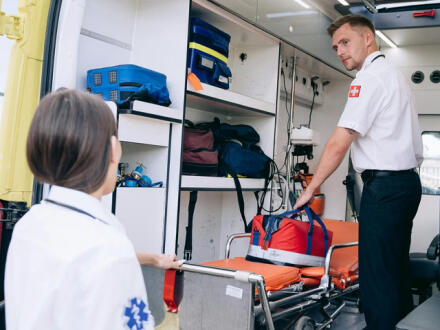
Paramedic school can lead to a steady, meaningful career, but the price can hit hard before the first ambulance ride even starts. Tuition, books, uniforms, background checks, immunizations, exam fees, and gas for clinical rotations can stack up fast. For a Nevada student, that can mean a bill of $6,000 to $15,000 or more depending on the school, credential, and how long the program runs.
That's why Nevada Paramedic Scholarships matter. They can lower out-of-pocket costs, reduce work hours during school, and make it easier for students to finish on time. And the best options are not limited to one type of applicant. A high school senior, a first-year student, a community college learner, or a university student in emergency care may all qualify for different funding paths.
This guide breaks the search into 12 practical categories. It covers Nevada Paramedic Scholarships for High School Students, Nevada Paramedic Scholarships for first-year students, Nevada Paramedic Scholarships for College, and Nevada Paramedic Scholarships for University applicants. It also looks at employer tuition help, state aid, rural workforce awards, and national EMS funding.
The goal is simple: help future EMS students find real places to look, spot strong-fit awards faster, and build a funding plan that covers more than just tuition.
1. Nevada Paramedic Scholarships For High School Students Exploring EMS Careers Early
Students do not need to wait until college to start looking. Some of the best Nevada Paramedic Scholarships for High School Students come from broader state, local, and community programs that reward grades, service, or career plans.
A smart first move is to target scholarships tied to Nevada residency and strong school performance. The Governor Guinn award page is one example of a state-linked option students often review while planning an in-state path.
High school students interested in EMS should build an application file early. A strong file usually includes:
- a 1-page resume
- 2 recommendation letters
- a 300- to 500-word essay
- a list of volunteer hours
- unofficial transcripts
Concrete experience helps. A student who logs 40 volunteer hours at a community event, CPR drive, or school health club has a clearer story than someone who only says they "want to help people."
They should also look for awards tied to county schools, local foundations, and women-focused giving groups. For female students, the Nevada Women's Fund listing can fit a future healthcare plan well.
Early applicants often win by showing direction. If a senior can explain why paramedicine, why Nevada, and what step comes next, that alone can separate them from 20 other general scholarship entries.
2. Nevada Paramedic Scholarships For First-Year Students Starting College Or Certificate Programs
First-year students sit in a good spot because they can apply before classes start and again after the first term. That creates 2 funding windows instead of one.
For Nevada Paramedic Scholarships for first-year students, the best targets are entry-level awards tied to enrollment, FAFSA completion, and first-generation status. Many schools and scholarship platforms sort these by class standing, which saves time.
A new college student should make a simple budget before applying. Even a short certificate path can include costs like:
- tuition and student fees
- textbooks and online course codes
- scrubs, boots, and stethoscope
- drug screening and immunizations
- EMT exam or licensing expenses
A realistic starter budget might total $8,450 when tuition is $6,900, books are $650, gear is $400, and compliance costs reach $500.
This is also the stage where students should search beyond "paramedic" in the title. Scholarships for public service, healthcare, first responders, biology, or community college students can still support EMS training.
Free search tools matter here because first-year students often miss deadlines while juggling housing, registration, and work. Platforms such as StudentScholarships.org can help narrow options quickly, especially when a student only has 15 minutes between tasks and needs a short list instead of 200 results.
3. Nevada Paramedic Scholarships For College Students Already Enrolled In EMS Pathways
Students already in an EMS track have one big advantage: they can prove commitment with grades, lab work, and field hours. That makes their applications feel more believable.
For Nevada Paramedic Scholarships for College students, the strongest applications usually mention specific progress. Good details include a 3.4 GPA, completion of anatomy and physiology, or 96 clinical hours already logged.
This group should focus on three award types:
- scholarships for current healthcare students
- campus departmental awards
- local donor funds for students with financial need
A student enrolled in an EMT-to-paramedic sequence can also ask the program director one direct question: "Which scholarships went unclaimed last term?" That question works because small department awards sometimes get only 3 to 8 applicants.
If the student attends a Nevada community college, a last-dollar option may also reduce remaining tuition after other aid. The Nevada Promise page is worth reviewing for students in the community college pipeline.
At this stage, essays should sound specific, not dramatic. "They completed 2 overnight ride-alongs, saw how fast handoff communication affects care, and want advanced airway training" is much stronger than "they love helping others." Precise details make the reader trust the application.
4. Nevada Paramedic Scholarships For University Students Pursuing Emergency Care And Health Degrees
University students may not be in a program labeled "paramedic," but they can still build an EMS funding stack. Many are majoring in health science, kinesiology, biology, public health, or emergency management while preparing for patient-care work.
That makes Nevada Paramedic Scholarships for University applicants a little different. They should search both by career goal and by academic department.
At larger campuses, students can often combine aid from several places:
- university scholarships
- college-specific donor funds
- financial aid office grants
- healthcare workforce awards
The University of Nevada, Reno keeps a centralized financial aid office page where students can review campus aid resources and scholarship information. That matters because one missed form can cost more than a small essay scholarship.
A university applicant should also connect the degree to field practice. For example, a public health student could explain how rural response times, overdose calls, or heat illness shape the need for stronger EMS staffing in Nevada.
Numbers help here. A student who says they balanced 12 credits, 18 work hours per week, and weekend clinical prep sounds grounded. University committees read a lot of applications. Concrete schedules and clear career plans usually stand out faster than broad statements about passion.
5. Nevada Community College Scholarships That Can Support Paramedic Training
Community colleges are often the most direct path into EMS. They also tend to offer the widest mix of local aid, foundation support, and state-connected funding.
For a student entering paramedic training through a two-year school, community-college-specific scholarships can be just as useful as a program-specific award. Some cover tuition. Others help with transportation, childcare, or required supplies.
Students should ask about funding from:
- the college foundation
- allied health departments
- first-generation student offices
- county or regional donor funds
A practical example: if tuition is mostly covered but a student still needs $1,200 for books, boots, a watch, and fuel for clinical shifts, a small campus scholarship can keep them enrolled. Those smaller awards are often the difference between full-time and stopping out.
Nevada students should also review school-linked listings such as the Nevada BBC&S scholarship page when they fit the eligibility rules. Community college applicants often overlook local awards because the dollar amount looks modest. But three $500 awards pay the same as one $1,500 award.
This is where organization pays off. A spreadsheet with deadline, amount, essay topic, and transcript required can cut repeat work and help a student submit 10 or more applications without losing track.
6. State-Based Nevada Financial Aid Programs That Pair Well With Paramedic Scholarships
Scholarships work best when they sit on top of state aid, not instead of it. Nevada students who stack grants, promise programs, and merit aid can reduce loans by a big margin.
A solid funding plan often mixes:
- state scholarships
- federal Pell Grant money for eligible students
- school-based grants
- EMS-specific awards
- part-time employer help
For example, a student with $4,000 in federal aid and a $1,000 local scholarship may only need one more small award to cover books and certification costs.
State-based options are especially useful because they are built around Nevada residency. Merit-focused students often start with the Guinn scholarship application, while community college students may pair aid with the Nevada Promise route discussed earlier.
Students should file the FAFSA as early as they can and verify every campus deadline. Missing a form by 1 day can mean losing a grant worth far more than a typical essay contest.
This category matters because Nevada Paramedic Scholarships often cover only one piece of the bill. State aid can handle tuition first, leaving scholarship money for the costs students feel every week, like gas, childcare, internet, and exam fees.
7. Nevada Paramedic Association Scholarships And EMS Organization Awards To Watch
Professional groups can be some of the best leads because they already care about workforce shortages, training quality, and local service needs. That makes them a natural match for EMS students.
When searching for Nevada Paramedic Association Scholarships, students should also look at statewide EMS bodies, local responder groups, hospital auxiliaries, and regional first-responder foundations. Not every award uses the word "paramedic" in the title.
These scholarships often favor applicants who can show:
- active interest in EMS
- volunteer or paid response experience
- commitment to practice in Nevada
- strong references from instructors or supervisors
A student with 1 semester of EMT coursework and 24 ride-along hours may already be competitive for smaller EMS organization awards. That's especially true if the essay names a real workforce gap, such as long rural transport times or staffing strain on night shifts.
Organization awards can also come with networking value. Winning a $750 scholarship from an EMS group may lead to mentor contacts, interview leads, or clinical placement advice.
The key is consistency. Students should set a monthly reminder, spend 30 minutes checking association pages and local foundation boards, and save every promising award in one folder. These opportunities appear and close quickly, so being early matters more than writing a fancy essay.
8. Hospital, Ambulance Service, And Employer-Sponsored Tuition Assistance Options In Nevada
Not every funding source starts with a scholarship office. Some of the strongest support comes from employers who need trained staff and want to keep them.
Hospitals, ambulance companies, fire-based EMS systems, and healthcare networks may offer tuition reimbursement, sign-on education support, or work-commitment funding. A common structure is simple: the employer pays a set amount per term, and the student agrees to stay for 6 to 24 months after training.
Students should ask employers five plain questions:
- How much is paid per term?
- Are books and fees included?
- Is there a grade requirement?
- How long is the work commitment?
- What happens if the student leaves early?
Even a modest reimbursement of $2,000 per semester can cover a major share of a certificate program. For working EMTs, that can be easier to secure than a competitive statewide scholarship.
This route is especially useful for adult learners and current EMTs moving up to paramedic status. An employer already knows their attendance record, work ethic, and patient-care attitude. That can outweigh a perfect essay.
The tradeoff is commitment. Students need to read every line before signing. A repayment clause tied to early resignation can turn "free money" into a future bill.
9. Rural And Underserved Community Scholarships For Future Nevada EMS Professionals
Nevada has large rural areas, long transport distances, and communities that need more trained responders. Because of that, students willing to serve outside major metro zones may find extra funding paths.
Rural and underserved awards usually favor applicants who can show a real connection to place. That might mean growing up in a small town, volunteering with a local rescue group, or planning to return after training.
A strong rural-focused application often includes details like:
- a hometown with one small clinic
- ambulance response routes of 30 to 70 miles
- volunteer service at fairs, rodeos, or school events
- plans to work in shortage areas after licensure
This is also the one category where broader community scholarships can help an EMS path make sense. A student from an agricultural area might fit the cattlewomen scholarship listing if the eligibility and service background line up.
Commitment language matters here. "They want to return to a county where backup units can be 45 minutes away" feels much stronger than "they enjoy rural life."
For many committees, the goal is not just to help one student. It is to improve access to care. Applicants who connect their education plan to a real local need usually score better.
10. Merit-Based, Need-Based, And Career-Focused Awards That Fit Paramedic Students
A good scholarship search should not stay stuck on one label. Students who only search "paramedic scholarship Nevada" miss a lot of money.
The better strategy is to divide options into three buckets: merit-based, need-based, and career-focused. Then apply across all three.
Merit-based awards
These usually look at GPA, course rigor, and sometimes test scores. A student with a 3.7 GPA and strong science grades may qualify even if the award is not healthcare-specific.
Need-based awards
These can matter most for EMS students because training often limits work hours. If a student's expected family contribution leaves a gap of $3,200, that figure should shape the search.
Career-focused awards
These reward clear goals in emergency care, public safety, or health service. A sharper essay usually wins here. "They plan to complete paramedic training, gain field experience, and move into critical care transport" is a strong career arc.
Students should also keep a reusable essay bank with 3 versions: one for academics, one for financial need, and one for career service. That can cut application time from 90 minutes to 25 minutes.
This mixed approach gives students more shots on goal, which is exactly what most funding plans need.
11. National EMS And Healthcare Scholarships Nevada Students Should Not Overlook
Nevada students should think local first, but not local only. National scholarships can fill gaps when state and campus aid still leave a balance.
These awards often come from healthcare associations, private foundations, hospital systems, and education nonprofits. Some support EMS directly. Others support healthcare students more broadly, including those in emergency care pathways.
A good national search should include:
- EMS scholarships
- allied health scholarships
- first-responder awards
- scholarships for women in healthcare
- scholarships for underrepresented students
The value can be significant. Even two national awards worth $1,000 each can cover licensing exams, fuel, and books for a full term.
University students can also compare their campus aid options through offices such as UNLV financial aid, especially when they are pairing institutional support with outside awards.
Students should watch the rules closely. Some national scholarships require U.S. citizenship, a minimum 2.5 or 3.0 GPA, or enrollment in a program with a defined healthcare credential. Others want proof of service hours or a faculty recommendation.
The main point is simple: if a Nevada student applies to only in-state awards, they shrink their odds. A wider net usually produces a better funding stack.
12. Smart Application Strategies To Improve Your Odds Of Winning Nevada Paramedic Scholarships
Winning more aid usually comes down to process, not luck. Students who treat applications like a small system tend to submit more, miss fewer deadlines, and write stronger essays.
The most effective routine is simple:
- build one master spreadsheet
- gather transcripts and resume first
- ask 2 recommenders at least 14 days early
- reuse essay sections where allowed
- submit 1 week before each deadline
Students should also match the essay to the scholarship type. For Nevada Paramedic Scholarships for College, the essay should mention current coursework or clinical preparation. For Nevada Paramedic Scholarships for High School Students, it should focus more on career motivation, service, and readiness for training.
Specificity wins. "They worked 18 hours a week at a grocery store while completing anatomy and still held a 3.3 GPA" tells a stronger story than "they work hard."
One more smart move: apply in batches. A student who submits 12 applications in 6 weeks has far better odds than someone who spends a month polishing one essay and sends only 2.
Finally, students should proof every entry line by line. Wrong school names, old dates, and missing signatures sink good applications fast.
Nevada Paramedic Scholarships FAQs
What types of scholarships are available for Nevada high school students interested in paramedic careers?
High school students can access Nevada Paramedic Scholarships linked to state residency, strong academic performance, and volunteer experience. Awards like those from the Governor Guinn program and community or women-focused funds offer early funding based on grades, service, and career plans.
How can first-year paramedic students in Nevada find financial aid?
First-year students should apply for scholarships related to enrollment, FAFSA completion, and first-generation status. They can search broadly in healthcare, public service, and biology scholarships using platforms such as StudentScholarships.org to target aid for tuition, books, and necessary supplies.
Are there scholarship options in Nevada specifically for college students already enrolled in EMS programs?
Yes, college EMS students with proven progress, like clinical hours and strong GPA, can target healthcare scholarships, departmental awards, and local donor funds. The Nevada Promise Scholarship also provides last-dollar tuition support for community college students.
Can university students pursuing health degrees in Nevada qualify for EMS-related scholarships?
University students majoring in health science, emergency management, or related fields can combine aid from university scholarships, college donor funds, and workforce awards. Connecting academic studies to local EMS needs strengthens their applications.
What financial aid is available for paramedic students in rural or underserved Nevada communities?
Students committed to serving rural or underserved areas may obtain scholarships favoring applicants with strong local ties and plans to work in shortage zones. Highlighting real transport challenges and community service helps increase chances for awards supporting EMS training.
Do employers in Nevada offer tuition assistance for paramedic students?
Yes, some hospitals and ambulance services provide tuition reimbursement or sign-on education support in exchange for work commitments after training. Students should carefully review terms about payment amounts, included costs, and service obligations before accepting employer-sponsored aid.









