

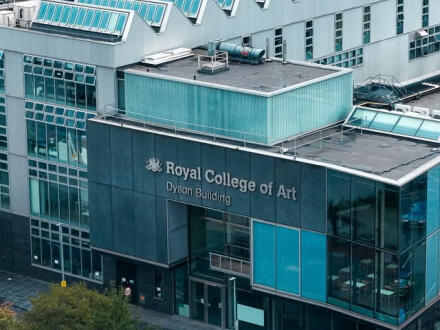
Digital art school in New York can get expensive fast. Tuition, software, drawing tablets, printing costs, and subway rides add up long before a student lands that first paid design gig. That's why New York Digital Art Scholarships matter so much. They can shrink tuition bills, cover project costs, and make it easier for students to stay focused on building a portfolio instead of juggling extra shifts.
Students usually don't have just one funding option. They often have 3 to 5 separate paths they can stack: school merit aid, departmental awards, state grants, private scholarships, and local foundation support. A student studying animation, game art, UX, or motion design may qualify for more aid than expected if they apply across all of those lanes.
This guide breaks down 11 practical scholarship and funding paths for high school students, first-year applicants, current college students, and university students already in digital art programs. It also points out where awards are commonly tied to GPA, portfolio strength, family income, or a specific specialty like interactive media.
The goal is simple: help students spot the money that fits their situation, apply early, and avoid leaving thousands of dollars on the table. For many applicants, a stronger list and a sharper portfolio can turn one application season into $2,000, $5,000, or even full-tuition help.
1. Portfolio-Based Scholarships At New York Art And Design Schools
Many art and design schools in New York award money first and ask questions second. In practice, that means the portfolio often matters more than a test score. A strong set of 12 to 20 pieces can move a student from no award to several thousand dollars per year.
Admissions teams usually want proof of three things:
- Technical control with composition, color, and software
- Original thinking instead of trend-copying
- Range, such as illustration, animation frames, UI mockups, or 3D work
For digital art applicants, the best portfolios usually include 1 finished project for every 2 process pieces. That ratio shows both polish and thinking. A motion design student, for example, might include a final 15-second title sequence plus storyboard panels, timing notes, and style frames.
Some schools also review portfolios for named art awards. Those can range from $1,000 to full tuition, depending on the institution and donor restrictions. Students who rely on broad search tools often find these faster because school-specific awards get buried. On platforms like Studentscholarships.org, a student can sort through arts-focused listings such as Rau for Art and compare them with campus awards in one place.
A good rule: submit the strongest 15 pieces, not the longest 30-piece gallery. Reviewers spend surprisingly little time on each application, often under 10 minutes in early rounds.
2. New York Digital Art Scholarships For High School Students
New York Digital Art Scholarships for High School Students often start earlier than families expect. Some open in junior year, and a few accept work from seniors before final college decisions are in. That timing matters because an early award can shape where a student applies.
High school applicants tend to do best with scholarships that reward:
- Portfolio promise
n- Art teacher recommendations
- Community involvement
- Academic effort, often a 3.0 GPA or higher
A practical example: a senior building a digital illustration portfolio around poster design, character art, and Photoshop composites may be more competitive than a student who only submits sketchbook scans. Scholarship committees want work that connects to the intended major.
Statewide arts groups can be especially useful here. The NYSATA awards are worth tracking because they connect directly to art education networks in New York. Students can also look at broad New York listings, then filter for visual arts, media, or design.
The biggest mistake high school students make is waiting for a "perfect" portfolio. A portfolio that is 80% strong and submitted on time beats a polished one that misses the deadline. For families trying to reduce borrowing, even a single $1,500 award can cover software, books, and part of a meal plan.
3. Merit Scholarships For First-Year Digital Art Students In New York
New York Digital Art Scholarships for first-year students usually combine grades, portfolio quality, and admissions timing. At many colleges, the earlier a student applies, the more institutional merit money is still available. Missing an early scholarship deadline can cost $3,000 to $12,000 per year in potential aid.
First-year merit awards often look at:
- High school GPA
- Rigor of classes taken
- Portfolio review score
- Interview or essay quality
- Leadership in clubs, contests, or freelance work
A first-year animation student who made a 45-second short film for a school festival has a concrete edge. That project shows concept development, editing, sound timing, and follow-through. Committees love finished work.
Students should also remember that merit funding isn't limited to art-only scholarships. Communication, media, and adjacent creative fields can overlap with digital art. For example, a student interested in motion graphics tied to brand campaigns may find relevant options through Women in Communications if the academic path connects with media production.
One more tip: merit aid is often renewable, but only if a student keeps a stated GPA, commonly 3.0 or 3.2. Before accepting an offer, they should read the renewal rules carefully. A flashy first-year package loses value if the retention bar is unrealistically high.
4. CUNY And SUNY Awards For Digital Art, Media, And Design Majors
CUNY and SUNY can be some of the smartest paths for students who want digital art training without private-school price tags. The biggest reason is simple math. Public tuition can be thousands lower per year before scholarships even enter the picture.
For New York residents, state support can stack nicely with campus aid. One of the best-known examples is Excelsior aid, which is tied to income and attendance rules. Families earning $125,000 or less often start there when building a funding plan for SUNY or CUNY.
Within these systems, digital art students should look beyond the generic financial aid page. Useful labels include:
- Digital media scholarships
- Design major awards
- Fine arts department funds
- Foundation scholarships
- Honors college grants
A SUNY student in game art may qualify for a campus merit award, a state tuition program, and a small departmental grant at the same time. That stacking can turn a bill that started at $7,000-plus in tuition into something far more manageable.
CUNY and SUNY students should also ask whether hardware support exists. Some campuses have emergency technology funds or loaner equipment. A department-issued tablet or software license can save $300 to $1,200 in first-semester costs.
5. New York Digital Art Scholarships For College Students Continuing Their Degree
New York Digital Art Scholarships for College students often open after freshman year, when there's finally enough studio work to judge. That makes sophomore and junior year a sweet spot. Students now have stronger portfolios, clearer specialties, and faculty who can write specific recommendations.
Continuing-student scholarships often reward progress, not just promise. Reviewers may ask for:
- A college GPA, often 3.0 or higher
- Portfolio updates from the last 12 months
- Evidence of exhibitions, internships, or client work
- A short statement about career goals
This is where students can stand out with numbers. Instead of saying they "worked on social media graphics," they can say they designed 18 campaign assets for a campus event or animated 6 explainer clips for a student club. Specifics stick.
Some students overlook non-art scholarships that still fit their path. A digital creator studying branding, audience growth, or content strategy might reasonably scan adjacent listings like the Chicago digital marketing award if project work crosses into visual communication.
Students should also reapply every year. A missed opportunity hurts because many campus awards are annual, not automatic. The student who won nothing in year one may land $2,500 in year two simply because the portfolio finally looks focused.
6. University Scholarships For Digital Art, Animation, And Interactive Media Programs
New York Digital Art Scholarships for University students are often tied to a specific program, not just the school as a whole. Animation, interactive media, digital storytelling, and game design tracks may each have separate donor funds or competitive talent awards.
That matters because a student applying to a university with several creative departments may have 2 to 4 different scholarship pools available. One application might go through admissions, while another sits inside the animation department.
Students in these programs should ask four direct questions:
- Is there a scholarship just for this major?
- Is the award automatic or separate?
- How many students got it last cycle?
- Is it renewable beyond year one?
A university animation student who can show a short film, life-drawing samples, and a clean storyboarding sequence usually presents better than a portfolio made only of polished character portraits. Universities want evidence that the student can survive production workflows.
Prestige fellowships also matter, especially in New York. Opportunities connected to creative study, research, or interdisciplinary work can show up outside the department. Listings such as Grace Legendre fellowships are worth watching when a student's academic path overlaps with a broader university mission.
The practical takeaway: students should search by major, school, and scholarship type, not by "art scholarship" alone.
7. Departmental Awards From New York Colleges With Digital Arts Programs
Departmental awards are small enough to get ignored and large enough to matter. In many New York colleges, these are the quiet scholarships handed out by the art, design, media, or communication department after faculty review student work. Amounts can be modest, often $500 to $5,000, but they can cover real costs fast.
These awards often go to students who show:
- Sharp improvement over time
- Reliable attendance and critique participation
- Strong capstone or studio work
- Helpfulness in labs, galleries, or student productions
That last point surprises people. Faculty often remember the student who helped hang a show, assisted younger classmates, or stayed late to finish a collaborative motion graphics project. Scholarship choices are not always cold math.
A concrete example: one department may have a donor fund for "emerging media excellence," and only 12 students may even know it exists. If 4 of them apply, the odds are suddenly much better than in a national competition with 1,200 entries.
Students should email the department office once each term and ask for a list of internal awards. They should also ask whether faculty nominate students automatically or require a separate form. That five-minute message can uncover money that never appears on the main financial aid page.
8. Need-Based Aid That Can Be Combined With Digital Art Scholarships
This is where many students leave money behind. Need-based aid can often be stacked with New York Digital Art Scholarships, and the combined effect is much stronger than either source alone. A student might piece together state aid, federal grants, campus grants, and a portfolio scholarship into one workable package.
The core need-based options usually include:
- Federal Pell Grant support
- New York State Tuition Assistance Program aid
- Institutional grants from the college
- Emergency funds for housing, food, or technology
The U.S. Department of Education processes millions of aid applications each cycle, which is a reminder that timing matters. Students who file financial aid forms late may still qualify, but campus-based funds are often limited.
Public-school students in New York often start with income-linked state options and then compare how that aid interacts with creative scholarships. Some families also review broader state programs like AGC New York aid when a household connection or eligibility rule fits, even if the student's main focus is digital art.
A realistic stack might look like this: $3,000 campus merit + $2,500 art scholarship + state grant aid + work-study. That combination can reduce the need for private loans and make unpaid portfolio-building time far easier to manage.
9. New York Digital Art Association Scholarships And Creative Industry Awards
New York Digital Art Association Scholarships and industry awards are useful because they come from people who already work near the jobs students want. Trade groups, creative nonprofits, design associations, and women-in-media organizations often fund students who plan to enter animation, digital publishing, brand design, or interactive production.
These awards tend to value fit. The strongest applicants show that their work connects clearly to the sponsor's mission. A student applying to a communications-linked scholarship should not send only fantasy creature paintings. They should include editorial layouts, campaign graphics, or short-form motion ads if that matches the award.
Industry awards can also carry non-cash value:
- Mentorship access
- Networking events
- Portfolio reviews
- Internship leads
That matters in New York, where one introduction can be worth months of cold emails. A student who wins a $1,000 association award and gets a portfolio review from three art directors may gain much more than the check alone.
Students should read sponsor language closely. If an award mentions media, public communication, or community storytelling, digital artists working in UX, motion, or branded content may fit better than they think. The best applications mirror the sponsor's vocabulary without sounding fake.
10. Scholarships For Students Specializing In Animation, Game Art, UX, Or Motion Design
Specialization helps. Once a student moves from "I like digital art" to "I focus on UI animation for mobile apps" or "I build stylized 3D environments," scholarship essays and portfolios become easier to judge. Committees can picture the student's path.
Some scholarships are not labeled "digital art," but they still fit specialized students if the work lines up with technology, communication, or applied design. That's especially true for UX and motion design, where the line between art and problem-solving gets thin.
A strong specialty portfolio should include:
- Animation: walk cycles, acting shots, or storyboards
- Game art: props, environments, texture work, or UI systems
- UX: wireframes, user flows, and prototype screens
- Motion design: title cards, ad spots, and timing breakdowns
Numbers help here too. A UX student who says a prototype reduced task completion time from 94 seconds to 51 seconds sounds far more convincing than one who says the design "improved usability."
Students with hybrid interests should keep an eye on scholarships outside pure fine arts. For example, a motion graphics student with strong media strategy work may fit creative-adjacent awards like the New York Pass scholarship or communications funding if the eligibility rules match.
11. Local Community Foundations And Regional Arts Grants Across New York
Local money is often the least crowded money. Community foundations, county arts councils, regional donor funds, and place-based education grants across New York may attract far fewer applicants than national arts competitions. In some cases, a student competes against 40 local applicants instead of 4,000 national ones.
That smaller pool can make a real difference, especially for students from upstate communities, small cities, or specific counties. One example is the Northern New York awards, which show how regional funds can support students who might be overlooked in broader contests.
Students should search local sources in layers:
- County community foundations
- Local arts councils
- Family foundations
- Employer-linked scholarships
- Civic groups and regional nonprofits
A student from Buffalo, Rochester, Syracuse, Watertown, or the Hudson Valley may find that hometown awards stack nicely with school-based aid. Even two local grants of $1,250 each can cover software, transit, and part of a semester's materials.
How To Strengthen A Digital Art Scholarship Application In New York
A stronger application usually comes down to clearer proof. Committees want to see skill, direction, and follow-through.
Students can improve their odds with a short checklist:
- Submit 12 to 18 pieces instead of flooding reviewers
- Include process work for at least 4 pieces
- Write an essay that names a clear goal, like character animation or UX research
- Ask for recommendation letters 3 weeks early, not 3 days early
- Put numbers in the résumé, such as "designed 22 event graphics" or "animated 3 promo videos"
One smart move is using a scholarship database that speeds up sorting and repeat applications. On Studentscholarships.org, students can build a shorter list, save deadlines, and spot nearby opportunities like Kids' Chance of New York when family circumstances fit the eligibility rules.
The goal is not a perfect application. The goal is an application that looks focused, complete, and submitted before the rush.
New York Digital Art Scholarships - Frequently Asked Questions
What types of scholarships are available for digital art students in New York?
New York offers various scholarships including portfolio-based awards, merit scholarships for first-year and continuing students, departmental awards, need-based aid, and specialized scholarships for animation, UX, game art, and motion design students.
How important is the portfolio when applying for New York digital art scholarships?
A strong portfolio is crucial, often valued more than test scores. It should showcase technical skills, originality, and range across digital art forms, with 12 to 20 pieces including both finished projects and process work to increase chances of awards like the Rau for Art Foundation Scholarship.
Can high school students in New York apply for digital art scholarships?
Yes, many scholarships open as early as junior year and reward portfolio promise, teacher recommendations, GPA, and community involvement. For example, seniors can benefit from awards like the New York State Art Teachers Association Scholarships by submitting relevant digital artwork before college decisions.
How can first-year digital art students maximize their scholarship opportunities in New York?
Applying early with a strong portfolio, good GPA, essays, and leadership experience helps. Merit awards may also be renewable if students maintain minimum GPAs. Students should consider overlapping scholarships such as communications scholarships like the New York Women in Communications Foundation Scholarship for related fields.
Are there scholarships for specialized digital art fields like animation or UX in New York?
Yes, scholarships often target specialties including animation, game art, motion design, and UX. Applicants should tailor portfolios to fit these areas with relevant projects, like storyboards or user flows. Some students may also qualify for related awards such as the Chicago Digital Marketing Scholarship if their work crosses into media or branding.
What are some local resources for digital art scholarships in New York?
Community foundations, county arts councils, and regional grants provide less competitive scholarships. For instance, the Northern New York Community Foundation Scholarships offer local funding which can be combined with institutional awards to reduce education costs and support students from smaller communities.







