

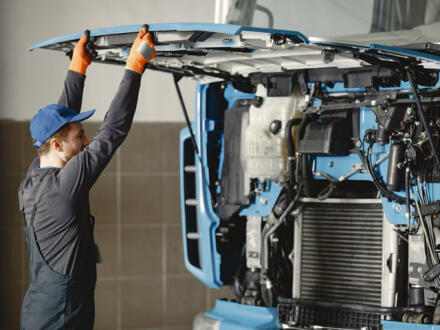
Paying for diesel, welding, or equipment training in Louisiana can feel bigger than the toolbox bill itself. Tuition, fees, boots, safety glasses, and fuel for the daily drive add up fast. For students who want to work on dozers, excavators, loaders, and farm machines, the good news is simple: there are more funding paths than most applicants realize.
Louisiana heavy equipment repair scholarships come from several places. Students can find help through technical colleges, dual enrollment programs, first-year awards, employer sponsors, FAFSA-based aid, local foundations, and national skilled trades programs. That matters because one student may stack a $1,000 local award with a Pell Grant, a state grant, and a department scholarship.
This list focuses on realistic funding routes for high school students, college students, and prospective students in Louisiana. It also covers related programs such as diesel technology, welding, agricultural mechanics, industrial maintenance, and construction equipment service, because heavy equipment repair often sits inside those departments.
Students do not need a perfect GPA to qualify for every option. Many scholarship committees also care about attendance, hands-on experience, financial need, leadership in FFA or 4-H, and whether an applicant can explain a clear career plan. A short essay that says, "They rebuilt a skid steer hydraulic pump with a shop teacher after class," often lands harder than vague claims about loving machines.
1. Louisiana Community And Technical College System Awards For Heavy Equipment Repair Training
For many students, the strongest first stop is the Louisiana Community and Technical College System. Schools in this system often house the exact programs tied to heavy equipment repair, including diesel technology, welding, industrial maintenance, and agricultural equipment service.
These awards may come from three buckets:
- campus scholarships
- program-specific department awards
- need-based aid packaged through the financial aid office
A student in a diesel program at a technical college might face tuition and fees of a few thousand dollars per term, plus tools that can cost $800 to $2,500 depending on the class list. Even a modest campus award of $500 can cover measuring tools, steel-toe boots, and textbooks.
Applicants should look at each campus page early and ask two direct questions:
- Does the school offer scholarships for workforce or technical programs?
- Does the diesel or welding department control its own award money?
Some campuses also post foundation awards with short deadlines. That is why students who wait until summer often miss money.
Louisiana heavy equipment repair scholarships for college students are often hidden inside general workforce aid. A practical example: a student training for equipment service may not find a scholarship labeled "heavy equipment repair," but may qualify under "diesel technology," "transportation," or "industrial trades." That small search shift can uncover several options in one afternoon.
2. Louisiana Heavy Equipment Repair Scholarships For High School Students In CTE And Dual Enrollment Programs
High school students should not wait until graduation to search. Louisiana Heavy Equipment Repair Scholarships for High School Students often begin through CTE, ag mechanics, welding, and dual enrollment tracks.
A student taking shop, automotive, diesel, or welding classes already has strong material for scholarship essays. Committees like proof that the applicant has touched the work. That can include:
- 120 hours in a school shop
- dual enrollment credits in welding or diesel
- FFA competitions
- teacher recommendations with exact project details
If a senior has rebuilt a small engine, diagnosed a hydraulic leak, or logged work hours at a parish equipment yard, that beats generic enthusiasm every time.
Students involved in agriculture programs should also review awards such as the Louisiana 4-H scholarships and the Louisiana FB scholarships. Those are not labeled only for heavy equipment repair, but they can fit students aiming for ag equipment service, diesel work, or farm machinery support.
A good target is to apply for 5 to 8 scholarships before graduation. If each award averages $750, that application effort could bring in $3,750 to $6,000. For a commuter student at a trade school, that can cover a big part of the first term plus basic tools.
3. Louisiana Heavy Equipment Repair Scholarships For First-Year Students Entering Trade School Or College
The first year is where many students get squeezed. Deposits, enrollment fees, books, and tools hit before paychecks from part-time work can catch up. That makes Louisiana Heavy Equipment Repair Scholarships for first-year students especially useful.
First-year applicants should focus on scholarships that reward potential, not just a long college resume. Committees often ask for:
- high school GPA
- attendance record
- CTE participation
- financial need
- a short career statement
A strong first-year essay is concrete. Instead of saying "they enjoy mechanics," it should say they spent 36 Saturdays helping an uncle service backhoes, or they diagnosed a starter issue on a farm tractor after tracing voltage loss with a meter.
Students can also search broader scholarships on Studentscholarships.org, where many awards sort by state, field, or eligibility. That helps first-year students who are still comparing diesel, welding, and equipment tracks.
One useful example is the Louisiana Problem Solver scholarship. A student who explains how they solved a real mechanical issue can make that kind of application feel personal and believable.
The first-year strategy is simple: apply wide, then stack aid. One $1,000 scholarship plus one $2,000 grant plus Pell money can change whether a student starts with debt or with breathing room.
4. Louisiana Heavy Equipment Repair Scholarships For College Students In Diesel, Welding, And Equipment Programs
Once students are already enrolled, the search should keep going. Louisiana Heavy Equipment Repair Scholarships for College students often open after the first semester, when instructors can finally write detailed recommendations.
That matters because program chairs can now say specific things like:
- the student has perfect lab attendance
- the student passed stick and MIG welding tests
- the student diagnosed hydraulic, brake, or electrical faults safely
Those details carry weight.
Students in diesel, welding, and equipment programs should also look beyond the exact program title. Heavy equipment repair sits close to several shop pathways, so a student in diesel technology may qualify for building trades or transportation-related awards too. One useful example is the Builders' Association scholarships, which can fit students headed toward construction equipment careers.
Students interested in dealer-side work should also monitor private awards such as the HE Parts Express scholarship. A parts-focused scholarship still makes sense for an equipment repair student because parts knowledge is a daily part of the job.
A college student who applies only once may miss hundreds or thousands of dollars. Many departments award funds each term or each academic cycle. A student who sends 3 applications per semester can double their odds compared with someone who only applies during senior year of high school.
5. Louisiana Heavy Equipment Repair Scholarships For University Students In Related Technical And Agricultural Majors
Not every future heavy equipment technician starts at a trade school. Some begin in agricultural systems, construction management, engineering technology, or agricultural education at a university. That makes Louisiana Heavy Equipment Repair Scholarships for University students worth a serious look, especially for those who want supervisory, technical sales, fleet management, or equipment support roles.
University students in related majors should search by industry connection, not only by job title. A student studying agricultural mechanics may still work later on combines, crawlers, and hydraulic systems in the field.
This path often fits students involved in farm, forestry, and land-use communities. A few useful signals on an application include:
- FFA or 4-H leadership
- family farm equipment experience
- coursework in welding, hydraulics, or engines
- plans to support agriculture or construction fleets in Louisiana
Industry-adjacent awards can help here. The Louisiana Gas Association scholarships may fit students in technical majors tied to utility and field service careers.
Students at public universities should also compare campus aid pages. For example, LSU's financial aid office outlines scholarship and aid resources that can combine with outside awards. Even when a scholarship is not labeled for heavy equipment repair, it may still cover tuition while a student uses paid internships to build machine-specific experience.
A university route is less direct, but for some students it leads to service management, precision agriculture, or equipment product support, which often pays more over time.
6. Louisiana Heavy Equipment Repair Association Scholarships And Industry Foundation Opportunities
Association money is easy to miss because it is scattered across trade groups, foundations, and member organizations. Still, Louisiana Heavy Equipment Repair Association Scholarships and related industry awards can be some of the best fits for students who already know they want to work around machinery.
These groups often support the exact pipeline employers need: technicians who can read service manuals, use diagnostic tools, weld safely, and show up on time.
Where To Look For Association-Based Awards
Students should search within Louisiana groups tied to:
- construction
- road building
- utilities
- agriculture
- welding
- transportation
- equipment dealerships
National associations with Louisiana chapters can matter too. So can contractor associations and rental industry foundations. The Charles P Lake scholarship is a strong example of an industry-connected award that may line up with equipment, rental, and construction service interests.
A smart method is to build a spreadsheet with 12 columns: award name, amount, deadline, GPA, essay, references, transcript, major, state rule, work history, link, and status. Students who track applications this way usually miss fewer deadlines.
What Scholarship Committees Usually Want To See
Association committees usually want proof that the applicant understands the trade. They often respond well to applications that include exact examples, such as:
- repairing a worn bucket edge with a welding instructor
- replacing seals on a leaking hydraulic cylinder
- logging 180 shop hours across one school year
- working weekends at a local contractor's yard
They also want professionalism. That means a clean resume, short paragraphs, and no vague essay lines about "loving machines since childhood." A better sentence names one machine, one task, and one lesson learned.
If a student can show skill, reliability, and a clear Louisiana job goal, association funding becomes much more realistic.
7. Equipment Dealership, Contractor, And Employer-Sponsored Scholarships Across Louisiana
Dealerships and contractors have a direct reason to fund students: they need technicians. Louisiana employers that sell, rent, or maintain heavy equipment often struggle to fill service bays, field service trucks, and parts-support roles.
That labor demand makes employer-sponsored scholarships worth real attention. These may come from:
- heavy equipment dealerships
- rental companies
- road contractors
- pipeline contractors
- municipal fleets
- agriculture equipment businesses
Some awards are public. Others are informal and only mentioned through a school department, local manager, or HR office. A student who asks three local employers whether they support diesel or welding students may hear "no" twice and still land one strong lead.
The HE Parts Express scholarship is one example of a private industry award students can add to the list.
Employer funding sometimes comes with conditions. A dealership may ask for a 2.5 GPA, summer work, or an interview with a service manager. That is not a bad thing. It can turn into paid experience, a mentor, and a job lead before graduation.
For students who like concrete paths, this route stands out. A scholarship tied to an employer can reduce school costs and shorten the jump from classroom training to paid full-time work. And yes, that first paycheck after fixing real iron in the field tends to feel pretty good.
8. FAFSA-Based Louisiana Aid That Can Help Pay For Heavy Equipment Repair School
Many students search only for private scholarships and forget the biggest form they can file: the FAFSA. For Louisiana heavy equipment repair students, FAFSA-based aid can be the backbone of the funding plan.
That one form can open access to:
- Federal Pell Grants
- federal student loans
- work-study
- campus-based aid
- some state and institutional funds
For lower-income students, the Pell Grant can be worth several thousand dollars in one school year. That amount alone may cover a large share of tuition at a public technical college.
Students should file as early as possible and follow up fast if the school asks for tax documents, identity confirmation, or verification paperwork. Delays of even 2 to 4 weeks can hold up an aid package.
This matters especially for trade students because tool lists and fees often hit before classes settle in. FAFSA money may not buy every wrench, but it can free up cash for tools by covering tuition first.
Students should also compare institutional aid offers carefully. A heavy equipment repair student at one Louisiana school may receive a different mix of grants and loans than a similar student at another campus.
Private scholarships work best here as add-ons. The winning formula is often simple: FAFSA first, school aid second, outside scholarships third. That order gives students the widest base before they start chasing smaller awards.
9. Local Parish, Regional, And Community Foundation Scholarships For Skilled Trades Students
Local money is often less crowded than national money. That is why parish, regional, and community foundation awards deserve space on every shortlist.
These scholarships may come from:
- local banks
- rotary clubs
- sheriff's offices
- family foundations
- utility co-ops
- regional education funds
The pool is smaller, and that helps. A national scholarship might draw 2,000 applicants. A parish-level award may draw 40.
Louisiana students should look for any scholarship that supports workforce training, community service, public safety families, or local residents. The exact major title may not matter if the rules allow trade school or technical education. Good examples include the Louisiana Sheriffs' Educational Scholarship Program and the EBS Pearl River Study scholarship.
Students should search by parish name plus terms like:
- scholarship foundation
- education fund
- skilled trades scholarship
- technical college scholarship
A strong local application uses local detail. If the student plans to maintain drainage equipment, farm tractors, logging loaders, or municipal fleet machines close to home, that story can connect well with community reviewers.
This is also where Studentscholarships.org can save time. Its free scholarship directory helps students sort through awards without bouncing across 25 separate sites or losing deadlines in a pile of screenshots.
10. National Skilled Trades Scholarships Louisiana Students Can Use For Heavy Equipment Repair
National skilled trades scholarships can work surprisingly well for Louisiana applicants, especially when local options feel thin. The key is to think in related fields, because heavy equipment repair overlaps with diesel, welding, construction, agriculture, and industrial maintenance.
Students should search national awards tied to:
- equipment service
- diesel technology
- collision or transport tech
- welding and fabrication
- agricultural mechanics
- construction and rental industries
One practical option is to use large scholarship databases and then filter by trade, state eligibility, award size, and deadline month. That saves hours compared with random web searching.
Students with strong problem-solving stories may also fit unusual awards outside the obvious diesel label. For example, a scholarship centered on work ethic, community roots, or technical interest can still help fund a heavy equipment path.
The biggest mistake here is skipping national scholarships because they "sound too competitive." Even if an award draws 800 applicants, many submissions are incomplete. A clean packet with a transcript, one polished essay, and two strong references can beat a messy field.
A smart target is 10 national applications across one cycle. If just one lands at $2,500, that may cover a full term of tuition at some technical programs. For students serious about the trade, that is worth a few evenings of focused application work.
Louisiana Heavy Equipment Repair Scholarships FAQs
What types of scholarships are available for Louisiana heavy equipment repair students?
Louisiana heavy equipment repair scholarships come from technical colleges, dual enrollment programs, employer sponsorships, FAFSA aid, local foundations, and national skilled trades programs, covering fields like diesel, welding, and agricultural mechanics.
How can high school students in Louisiana qualify for heavy equipment repair scholarships?
High school students can qualify by participating in CTE, welding, or diesel classes, logging hands-on hours in shop work, competing in FFA or 4-H events, and submitting detailed essays demonstrating real repair experiences.
Do I need a perfect GPA to get scholarships for heavy equipment repair training in Louisiana?
No, many scholarship committees also consider attendance, hands-on experience, financial need, leadership roles, and well-explained career goals rather than just GPA alone.
What advice is there for first-year heavy equipment repair students applying for scholarships in Louisiana?
First-year students should apply widely for scholarships rewarding potential with essays highlighting specific mechanical problem-solving experiences, and combine multiple awards with FAFSA grants to reduce education costs.
Are there employer-sponsored scholarships for heavy equipment repair in Louisiana?
Yes, local dealerships, contractors, and rental companies often offer scholarships tied to work commitments or GPA requirements, providing mentorship and direct employment pathways after graduation.
How can students find and apply for Louisiana heavy equipment repair association scholarships?
Students should investigate local trade and contractor associations, maintain organized application tracking, and provide concrete repair examples to demonstrate skills, reliability, and a clear career plan.




