

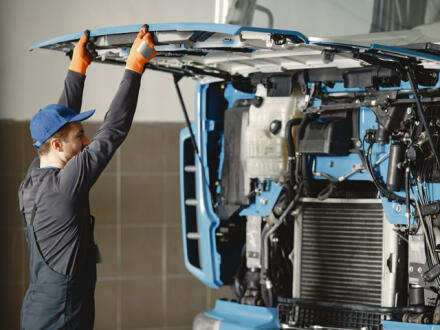
Paying for diesel training in New Mexico can feel like trying to fix an engine with half the tools missing. Tuition, books, safety boots, tools, and transportation costs add up fast. A certificate or associate program in diesel technology can cost several thousand dollars before a student even starts buying gloves, coveralls, and specialty hand tools.
That's why New Mexico Diesel Equipment Technician Scholarships matter. They can cut tuition, reduce loan debt, and help students stay focused on class instead of working extra shifts just to cover fees. For students who want to work on heavy equipment, agricultural machinery, trucks, or fleet vehicles, the money is out there, but it rarely lands in one easy pile.
This guide breaks the search into 10 practical moves. It covers New Mexico Diesel Equipment Technician Scholarships for High School Students, options for first-year learners, awards for students already in college, and ways to stack state aid with local money. It also shows how students can use platforms like StudentScholarships.org to spot matches faster and keep applications organized.
The goal is simple: help students find more funding with less guesswork. A strong search often starts months before classes begin, and the students who treat scholarships like a weekly habit usually come out ahead.
1. Start With New Mexico Community Colleges Offering Diesel Equipment Technician Programs
Students should start where diesel training actually happens: community colleges and technical campuses in New Mexico. That sounds obvious, but a lot of applicants jump straight to national scholarship websites and miss school-specific awards sitting right in front of them.
Community colleges often offer three funding lanes at once:
- institutional scholarships
- foundation awards
- program-specific workforce grants
Diesel students should look for schools with diesel, heavy equipment, automotive diesel, agriculture mechanics, or industrial maintenance pathways. Even when a campus does not advertise a scholarship labeled "diesel equipment technician," the money may sit under career and technical education, workforce development, or applied technology.
A practical example helps. If a college foundation offers ten awards of $1,000 each for career-tech students, and only 37 students apply, the odds are far better than in a national pool with 4,000 applicants. That's the kind of math students want.
Students should contact:
- the financial aid office
- the workforce development office
- the department chair for diesel or industrial technology
- the college foundation office
Many schools also post "returning student" or "program progression" scholarships after the first term. That matters because some students only search before enrollment.
For broader state-specific options, students can also use scholarship platforms that group New Mexico awards in one place. A listing like New Mexico Scholars can help students identify state-focused opportunities while they compare campus-based aid.
A good rule: spend 1 hour per week checking the college website, emailing one staff contact, and tracking deadlines in a spreadsheet.
2. Target New Mexico Diesel Equipment Technician Scholarships For High School Students Early
High school students have one big advantage: time. They can build their application before senior spring turns into chaos. Waiting until graduation season usually means missed deadlines, weaker essays, and fewer recommendation options.
The smartest move is to start during junior year or at the start of senior year. Students interested in diesel work should collect proof of hands-on interest early. That includes:
- shop class projects
- FFA participation
- ag mechanics competitions
- part-time work on ranches, farms, or repair shops
- volunteer work with school transportation or maintenance teams
Those details matter because scholarship committees want evidence, not just interest. "They like engines" is weak. "They rebuilt a small diesel injector system during ag mechanics and logged 42 volunteer hours in the school shop" is much stronger.
This is also the stage to search New Mexico Diesel Equipment Technician Scholarships for High School Students that are not diesel-exclusive but still fit location, income, or career goals. For example, state-centered awards such as the 505 Southwestern award may support New Mexico students who plan to continue their education.
Students should ask school counselors one direct question: "Which local scholarships had fewer than 50 applicants last year?" That often produces better leads than a generic scholarship packet.
A short checklist works well here:
- draft a resume by September
- ask for 2 recommendation letters by October
- complete the FAFSA as soon as it opens
- submit at least 1 scholarship each week
Early applicants usually write calmer, cleaner applications. And that shows.
3. Look For New Mexico Diesel Equipment Technician Scholarships For First-Year Students
First-year students sit in a useful middle spot. They are no longer just applicants, but they may still qualify for scholarships aimed at new entrants. That makes New Mexico Diesel Equipment Technician Scholarships for first-year students a category worth searching on purpose.
A lot of students assume the money disappears once classes begin. It doesn't. Many awards target first-year retention because schools and donors know the first two semesters are where students often drop out for financial reasons.
The National Center for Education Statistics has long shown that college retention is a major issue across programs, which is why first-year support gets attention from schools and scholarship committees. In plain terms, donors like helping students get past that rough first stretch.
First-year diesel students should focus on:
- enrollment-status scholarships
- first-generation college awards
- rural student awards
- career-tech persistence grants
- merit-plus-need scholarships
They should also ask whether maintaining a 2.5 or 3.0 GPA unlocks second-semester funding. Some colleges do not advertise these well.
Trade-adjacent awards can also fit. For students whose training overlaps with automotive service basics, Find Your Drive may be worth reviewing because diesel and automotive pathways sometimes share employer interest and technician workforce goals.
A first-year student with strong attendance, instructor praise, and one good essay can stand out quickly. One clear example beats a generic statement: "They arrived at the lab at 7:15 a.m. every Tuesday to prep tools before class" says far more than "they are hardworking."
4. Search Trade-Specific Awards Through Workforce And Skilled Trades Programs
General scholarships help, but trade-specific awards are often a better fit for diesel students. Why? Because fewer applicants match the criteria. A biology major and an English major cannot credibly apply for a heavy-equipment workforce grant. A diesel student can.
New Mexico students should search programs connected to:
- workforce innovation grants
- career and technical education funds
- apprenticeship support programs
- agriculture equipment training
- transportation and logistics careers
Skilled trades funding often comes from state workforce agencies, local foundations, industry-backed nonprofits, and education partners. The wording may vary. One page may say "industrial technology," another may say "mechanical trades," and another may say "transportation maintenance." Students need to search all three.
This is where a focused scholarship site can save time. On StudentScholarships.org, students can filter state and trade-related listings instead of opening 25 irrelevant awards. That matters when someone is juggling classes, a job, and family obligations.
Students should also think wider than diesel-only labels. An engineering-adjacent award like the engineering foundation program may fit students in related mechanical or applied technical pathways, especially when scholarship committees support broader equipment, systems, or technical workforce goals.
A useful strategy is to build a keyword bank. Search these exact phrases:
- diesel technology scholarship New Mexico
- heavy equipment scholarship New Mexico
- skilled trades scholarship New Mexico
- workforce training grant diesel
- transportation technician scholarship
That extra ten minutes can uncover awards that never appear under the exact phrase a student first typed.
5. Explore New Mexico Diesel Equipment Technician Scholarships For College Students Already Enrolled
Students already in school should not assume they missed their chance. In many cases, New Mexico Diesel Equipment Technician Scholarships for College become easier to find after a student completes one term and has real grades, attendance records, and instructor feedback.
That changes the application. Instead of promising future effort, the student can show proof:
- completed lab hours
- GPA
- safety record
- instructor recommendation
- shop projects
A student who earned a 3.2 GPA in the first semester and perfect attendance in lab has a stronger case than they did six months earlier. Scholarship committees love visible follow-through.
Already-enrolled students should ask each term whether the college has:
- emergency completion grants
- program retention awards
- department-specific scholarships
- textbook or tool stipends
- donor awards for continuing students
Local scholarships also matter here. Some New Mexico donors prioritize students who stayed enrolled even though work or family pressure. A student working 20 hours per week while carrying 12 credits has a strong story if they explain it clearly.
State-focused listings such as the Davis New Mexico award can broaden the search beyond the campus bulletin board.
Students should also ask instructors a blunt question: "Which students got help last year, and what made their application strong?" Faculty often know the unwritten patterns, good shop habits, clean essays, clear career goals, or a reputation for helping classmates troubleshoot problems without being asked.
6. Check New Mexico Diesel Equipment Technician Scholarships For University Pathways And Related Degrees
Not every diesel student stays in a certificate lane forever. Some move into applied management, engineering technology, agriculture systems, logistics, or education roles later on. That is why New Mexico Diesel Equipment Technician Scholarships for University should stay on the radar, even for students starting at a community college.
A diesel background can support transfer pathways tied to:
- industrial technology
- mechanical engineering technology
- agricultural mechanics systems
- operations management
- transportation and fleet management
That matters because scholarship opportunities often grow when a student enters a broader bachelor's pathway. A student may start by replacing fuel filters and tracing electrical faults, then later study equipment operations, supervisory systems, or technical instruction.
This is also a good time to review aid that is not diesel-labeled but still supports New Mexico residents in technical fields. The New Mexico Lottery Scholarship is one example students often research when building a transfer plan.
A clear transfer path can also strengthen essays. Committees like applicants who can explain where the training leads. "They want to become a field service manager for agricultural equipment across eastern New Mexico" sounds concrete. "They want a good job" does not.
Best University-Adjacent Programs To Watch
Students should watch related programs that connect well with diesel experience. These may not sound identical to diesel technology, but they often value the same mechanical thinking.
Top examples include:
- agricultural systems technology for students who want to work on tractors, irrigation pumps, or harvest equipment
- industrial maintenance for students interested in engines, hydraulics, and plant systems
- construction equipment management for students aiming at heavy machinery fleets
- engineering technology for students who want stronger training in diagnostics, controls, and systems
One practical edge: the Bureau of Labor Statistics has reported median annual pay above $60,000 for diesel service technicians and mechanics in recent national data, which helps students explain why this pathway has real labor-market value.
7. Use Industry Associations And New Mexico Diesel Equipment Technician Association Scholarships
Industry associations can be gold mines for scholarships because they exist to support the field. That makes New Mexico Diesel Equipment Technician Association Scholarships and similar trade-group awards especially relevant.
Associations linked to construction, trucking, farm equipment, road building, automotive service, and heavy machinery often fund students who plan to join the workforce. Some awards are modest, $1,500 to $2,500, but that can still cover books, tools, or a big chunk of tuition.
A good example of a trade-focused listing is AGC NYS Diesel Scholarships. Even when an award is outside New Mexico, it teaches students what industry-backed scholarships look for: program alignment, work ethic, and a clear plan to stay in the trade.
Students should search associations tied to:
- construction contractors
- trucking and transportation groups
- equipment dealer networks
- agricultural organizations
- mechanics and technicians associations
The search should include local chapters, not just national offices. Local groups often receive far fewer applications.
What Association-Based Scholarship Committees Usually Want To See
Association committees usually want proof that the student is serious about the trade, not just the money.
That usually means:
- a direct career goal
- evidence of hands-on work
- a recommendation from an instructor or employer
- good attendance and safe lab behavior
- interest in serving the industry after graduation
A useful concrete detail might be this: "They completed 96 lab hours and can explain the difference between preventive maintenance and major engine repair." That sounds real. It also helps a committee trust that the student will finish the program and enter the field.
8. Apply For Employer-Sponsored Scholarships From Dealerships, Fleet Companies, And Equipment Brands
Some of the best scholarship leads do not come from schools at all. They come from employers who need technicians. Dealerships, trucking fleets, construction companies, and equipment brands often struggle to hire enough trained workers, so they fund students directly.
This makes sense when the labor market is tight. Replacing one technician can cost an employer thousands in recruiting, overtime, and lost service capacity. A $2,000 scholarship is cheap compared with leaving bays empty for months.
Students should look at:
- truck dealerships
- heavy equipment dealerships
- municipal fleet departments
- agricultural equipment sellers
- mining and construction contractors
- parts and service chains
Employer-sponsored awards may come with extras:
- paid internships
- tool allowances
- part-time work during school
- guaranteed interviews
- mentorship from senior technicians
That last part matters a lot. A scholarship tied to a summer internship can be worth more than the dollar amount alone because it creates a hiring path.
Students should not ignore adjacent technician funding either. Programs such as Wisconsin technician scholarships show how dealership and technician associations structure support for students entering service careers. That model often appears in other states and with regional employers.
A strong outreach email to a service manager can be simple: ask whether the company offers student sponsorships, tuition help, or paid shop training for diesel students. Ten emails may produce one serious lead, and that one lead can change the whole budget.
9. Combine State Aid, Federal Aid, And Local Scholarships To Reduce Out-Of-Pocket Costs
Most students will not pay for school with one big scholarship. They build a package. That package may include grants, lottery-based aid, local awards, work-study, and smaller scholarships stacked together.
This is often the smartest way to handle New Mexico Diesel Equipment Technician Scholarships because diesel students face extra costs beyond tuition. A basic starter tool set alone can easily run $400 to $1,200, depending on program requirements and brand choices.
The first step is filing the FAFSA on time. Federal Pell Grant eligibility can make a huge difference for lower-income students. Then students should layer in state aid and local awards.
A stack might look like this:
- Pell Grant: $3,698
- state scholarship: $2,000
- local foundation award: $1,000
- employer scholarship: $1,500
- department tool stipend: $500
That total reaches $8,698. For many community college students, that can cover most direct costs.
New Mexico students often review options such as the Legislative Lottery award when mapping the full aid picture.
Students should also read each award's stacking rules. Some scholarships reduce unmet need only. Others lower loans first. A quick 15-minute talk with financial aid can prevent expensive mistakes.
The basic goal is not just "get a scholarship." It is reduce out-of-pocket cost to the lowest real number after tuition, fees, books, tools, and transportation are counted.
10. Build A Strong Scholarship Application With Hands-On Experience And Career Goals
A weak application says, "They need money for school." A strong one shows why this student fits the diesel trade and what they plan to do with the training.
Scholarship committees read a lot of vague essays. The applications that stick usually include specific scenes, numbers, and goals. Diesel students have a natural advantage here because hands-on work creates concrete stories.
Good proof points include:
- rebuilding a brake system
- diagnosing a fuel delivery issue
- helping maintain ranch or farm equipment
- balancing school with a shop job
- completing OSHA or safety training
- improving grades after a rough term
A better essay sounds like this: "During a 6-hour Saturday repair session, they helped replace hydraulic hoses on a loader so the machine could return to work Monday morning." That image is stronger than a generic sentence about loving mechanics.
Career goals should also be specific. For example:
- diesel technician for a regional fleet
- field service technician for construction equipment
- shop foreman after 5 years
- service manager after additional education
- business owner serving rural equipment customers
Recommendation letters matter too. The best letters include observed behavior, not praise fluff. "They logged zero safety violations in lab and helped new students organize tools" is useful.
Students who want a faster way to organize deadlines, compare awards, and spot matches can use StudentScholarships.org as part of their routine. A free search tool is not magic, but it can cut a messy process into a short weekly habit that students actually stick with.
New Mexico Diesel Equipment Technician Scholarships - Frequently Asked Questions
What types of scholarships are available for New Mexico diesel equipment technician students at community colleges?
Community colleges in New Mexico often offer institutional scholarships, foundation awards, and program-specific workforce grants. Students should check with financial aid, workforce development, and diesel department offices to find available funding tailored to diesel technology programs.
How early should high school students in New Mexico start applying for diesel technician scholarships?
High school students should begin their scholarship search by junior year or early senior year. Gathering hands-on experience like shop projects or FFA participation early improves applications and helps meet deadlines for New Mexico Diesel Equipment Technician Scholarships for High School Students.
Are there scholarships specifically for first-year diesel technician students in New Mexico?
Yes. Many scholarships focus on first-year retention, including enrollment-status scholarships, first-generation awards, and trade-specific persistence grants. These help new students stay financially supported during the critical first semesters of diesel training.
Can students already enrolled in diesel technician programs in New Mexico apply for scholarships?
Absolutely. Scholarships for continuing students often consider GPA, lab hours, and instructor recommendations. Students can pursue emergency grants, retention awards, and department-specific scholarships to supplement their costs while in the program.
What role do industry associations and employers play in New Mexico diesel technician scholarships?
Industry groups and employers frequently offer scholarships to support workforce development. Local trucking fleets, machinery dealerships, and construction groups can sponsor awards, internships, and mentorships that help diesel students fund their education and gain career opportunities.
How can New Mexico diesel students maximize their financial aid package beyond scholarships?
Students should combine federal aid like Pell Grants with state scholarships such as the New Mexico Legislative Lottery Scholarship and local awards. Filing the FAFSA early and stacking funds reduces out-of-pocket costs for tuition, tools, and other expenses effectively.






