

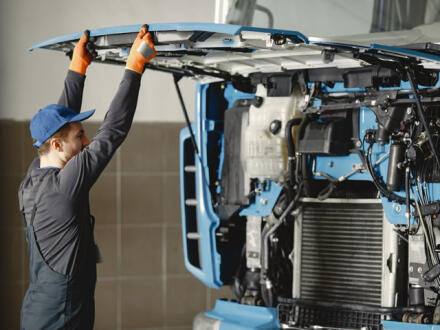
Training for diesel work can pay off fast, but the upfront cost is real. Tuition, lab fees, steel-toe boots, and a starter tool set can easily push a student's first bill past $4,000 to $12,000 before they ever turn a wrench in a paid job.
That's why Colorado diesel engine mechanic scholarships matter. They can reduce tuition, cover books, pay for tools, or bridge the gap between federal aid and what a student still owes. For students who want to work on semis, heavy equipment, farm machinery, or fleet vehicles, the right funding mix often comes from more than one place.
This guide breaks the search into practical buckets. It covers statewide trade scholarships, local college aid, employer-sponsored awards, association funding, and first-year support. It also points out where high school students, college students, and university students can find options that match diesel, transportation, agriculture, construction, and related mechanical programs.
A strong reason to keep applying: diesel service technicians and mechanics earn a median pay of $60,640 per year, and the field is projected to produce about 24,100 openings each year, based on data from the U.S. Bureau of Labor Statistics. That makes a certificate or degree more than a school expense. For many students, it's a direct path to stable work.
1. Statewide Trade And Technical Scholarships For Diesel Programs In Colorado
Statewide trade awards are often the first place to look because they aren't tied to just one campus. They usually support career and technical education, which makes them a solid fit for diesel technology, heavy equipment, welding, and transportation programs.
In Colorado, students should focus on scholarships connected to construction, agriculture, energy, and workforce training. Those industries hire diesel mechanics every day, so their scholarship rules often line up well with hands-on programs.
A smart statewide search usually includes:
- Trade foundation scholarships for technical programs
- Industry-backed workforce awards tied to construction or equipment repair
- Rural and agricultural scholarships for students serving local communities
- Need-based state aid stacked with school grants and Pell funding
One useful example is the CWFC scholarship application, which comes from the Construction Workforce Foundation of Colorado. Construction scholarships matter here because diesel students often move into equipment maintenance, fleet service, and jobsite repair roles after school.
Students should also pay attention to deadlines. Missing a deadline by even 1 day can mean waiting a full cycle. A clean statewide application file should include a transcript, a short essay, 2 references, and proof of enrollment or program intent.
2. Colorado Diesel Engine Mechanic Scholarships For High School Students
Colorado Diesel Engine Mechanic Scholarships for High School Students are often easier to win than students think. Many seniors skip trade-specific awards because they assume scholarships only go to four-year majors. That's just not true.
High school applicants are strongest when they show early mechanical interest. A student who rebuilt a dirt bike engine, spent 180 hours in FFA or 4-H, or worked weekends on a family farm has a real story to tell.
A good place to start is the Colorado 4-H scholarship application. That route can fit students who want to work on tractors, combines, irrigation equipment, or diesel pickups used in agricultural settings.
High school students should highlight:
- Shop classes such as auto, ag mechanics, welding, or small engines
- CTE coursework with grades and certifications
- Work experience, even if it was unpaid family or ranch work
- Leadership, like FFA officer roles or team captain duties
Specific details help. "Changed hydraulic hoses on a skid steer during hay season" is stronger than "likes engines." "Maintained 6 trailers and 3 diesel trucks" is better than "helped around the farm."
Students should also ask counselors about local scholarships. In many Colorado communities, small awards of $500 to $2,000 get fewer applicants than big national scholarships, which improves the odds.
3. Community College Awards For Diesel Technology Students
Community colleges are one of the most practical routes into diesel work. They usually offer lower tuition, smaller classes, and closer ties to regional employers. For a student trying to limit debt, that combination matters a lot.
Many diesel students in Colorado start at a two-year school and combine several aid sources:
- Federal grants
- Institutional scholarships
- Emergency aid
- Tool assistance
- Paid part-time shop work
That stack can shrink out-of-pocket costs by thousands of dollars. And community college financial aid offices often know about small local awards that never show up in big search engines.
Students should ask each school about program-specific scholarships, not just general academic aid. A diesel technology department may have donor money set aside for lab students, especially if local fleets or equipment dealers support the program.
Another useful angle is transportation-related engineering support. The Yanmar/SAE scholarship application is not Colorado-only, but it fits students in machinery and mobility fields and can complement community college funding.
A practical tip: call the department chair and ask two direct questions.
- "Are there scholarships only diesel students can apply for?"
- "Are any tool grants awarded through the department instead of the main aid office?"
That 5-minute call can uncover money that never appears on the public scholarship page.
4. Colorado Diesel Engine Mechanic Scholarships For College Students
Colorado Diesel Engine Mechanic Scholarships for College students usually open up after the first term, when a student already has a GPA, attendance record, and instructor references. That makes sophomore-level and continuing-student awards especially useful.
This is where students should widen the search beyond "diesel" as a keyword. Many awards sit under related labels such as:
- Mechanical technology
- Transportation
- Heavy equipment
- Engineering technology
- Industrial systems
A student with a solid record can also branch into broader technical scholarships. The Black American engineering scholarship application shows how category expansion can help students who qualify through background, identity, and technical interest.
Numbers matter in college applications. A better statement is: "They maintained a 3.4 GPA, worked 22 hours per week, and missed 0 lab sessions." That signals reliability, which diesel employers value almost as much as grades.
Students should also keep a file of measurable achievements, such as:
- ASE entry-level certifications
- Instructor comments
- Completed engine tear-down projects
- Internship hours
- Tool purchases and receipts
A basic starter tool set can cost $2,500 to $7,000. Mentioning that expense can strengthen need-based requests without sounding dramatic.
5. University-Linked Workforce Grants And Transportation Scholarships
University-linked funding is worth a look even for students in applied technical fields. Some awards support transportation, energy, engineering systems, or workforce development rather than one narrow major.
That matters because diesel mechanics work at the intersection of engines, electronics, emissions systems, hydraulics, and logistics. A scholarship committee may view that as part of a larger transportation workforce need.
Students considering transfer pathways or university-connected technical study should watch for:
- Transportation and mobility scholarships
- Workforce grants tied to equipment, energy, or manufacturing
- College of engineering outreach awards
- Partner-program scholarships shared with community colleges
The University of Colorado notes that its scholarship services work with campus and community partners to offer scholarship opportunities. Even when a diesel student is not in a classic four-year engineering track, those partner networks can point toward related funding.
Another broad-fit option is the Edward D. Hendrickson engineering scholarship application. Heavy suspension, chassis, and vehicle systems connect closely to truck maintenance careers, so related technical awards can make sense.
This section matters most for students building a longer plan: certificate first, associate degree next, then a transfer or management path later. That route can spread costs over 3 stages instead of one expensive jump.
6. Colorado Diesel Engine Mechanic Scholarships For University Students
Colorado Diesel Engine Mechanic Scholarships for University students are less common under that exact label, but they do exist through related fields. Students in agricultural systems, mechanical engineering technology, fleet management, construction management, or transportation operations can often make a credible case.
University students should think in terms of industry overlap. Diesel work powers agriculture, mining, freight, public works, and construction. That creates room to apply for awards outside a strict "diesel mechanic" box.
For example, a student interested in agricultural equipment service may fit the Colorado Oil & Gas Association scholarship application only if the program focus and eligibility line up with energy-related technical study. The key is reading every rule, not guessing.
A strong university application often includes 1 technical project with results. Good examples include:
- Diagnosed a no-start issue on a diesel skid steer in 42 minutes
- Reduced shop rework on injector installs by 15% during a practicum
- Logged 120 internship hours with a fleet or equipment dealer
That kind of proof stands out. It shows the student can connect classroom theory to machines in front of them, with grease, noise, deadlines, and customers waiting.
University students should also ask advisors about donor scholarships hidden inside departments. Some are awarded to only 8 to 20 students, which makes them far less crowded than national programs.
7. Employer-Sponsored Scholarships From Trucking, Equipment, And Agricultural Companies
Employer-sponsored aid is one of the strongest funding paths because it can lead straight to a job. Trucking fleets, farm equipment dealers, heavy construction firms, and engine manufacturers all need skilled technicians, and many would rather help train one than keep a service bay empty.
A typical employer package may include:
- Tuition reimbursement after each completed term
- Tool allowances worth $500 to $3,000
- Paid internships at $18 to $28 per hour
- Work commitments after graduation
This route works well for students who already know the sector they like. Someone who wants to service combines should talk to agricultural dealers. Someone focused on over-the-road trucks should talk to regional fleets and trailer shops.
The AGC NYS diesel scholarship application shows how industry groups sometimes support diesel students directly, even when the award is outside Colorado. That matters because employer-backed money is often portable if the student's training goals are clear.
The best move is simple: make a list of 15 employers within driving distance and contact each service manager or HR office. Ask whether they offer scholarships, tuition help, paid apprenticeships, or sponsorships for students in diesel programs.
Even if only 3 of 15 say yes, that can open more value than a generic scholarship search.
8. Colorado Diesel Engine Mechanic Scholarships For First-Year Students
Colorado Diesel Engine Mechanic Scholarships for first-year students are critical because the first term is where many students get squeezed. Admission deposits, books, lab fees, and tools all hit at once.
A first-year diesel student may face these early costs:
- Tuition and fees
- Protective gear and boots
- Hand tools and storage
- Transportation to campus or shop labs
- Certification or testing fees
That startup bill can easily reach $3,500 before rent or food. So first-year applicants should search beyond merit scholarships and include emergency grants, foundation awards, and department support.
Students who are entering broader engineering or vehicle systems tracks may also qualify for related awards like the BMW engineering scholarship application, depending on program fit and eligibility.
First-year applicants should not assume a lower GPA or shorter resume makes them weak candidates. Committees often expect less experience from new students. What they want instead is proof of direction, work ethic, and a believable plan.
A sharp first-year application can say, "They plan to complete a diesel certificate in 18 to 24 months, work in fleet maintenance, and earn enough to expand into advanced diagnostics." That sounds grounded, not fluffy.
How To Build A Strong First-Year Application
The best first-year applications are clear and specific. They don't try to sound grand. They sound ready.
Students should include:
- A direct goal: truck fleet, heavy equipment, ag service, or public works
- One hands-on example: fixing brakes, swapping injectors, welding a bracket
- A budget: tools cost $2,800, boots $140, books $460, fuel $90 per week
- Two references: a shop teacher and an employer or supervisor
Essay quality matters too. In 300 to 500 words, a student can explain what sparked the interest, what work they have already done, and what the scholarship would pay for. Simple wins here.
A clean application file with no missing documents can beat a stronger student who submits late or forgets a transcript.
9. Colorado Diesel Engine Mechanic Association Scholarships And Industry Foundation Awards
Colorado Diesel Engine Mechanic Association Scholarships and industry foundation awards are some of the best-fit options for students who already know they want a hands-on mechanical career. These groups tend to value commitment to the trade more than a polished academic resume.
Associations often support students because the labor need is real. Every open technician slot can slow repairs, delay freight, or keep equipment parked during busy seasons. For a farm, contractor, or fleet, one down unit can cost hundreds of dollars per day.
Industry foundations may support students through:
- Scholarships
- Tool grants
- Travel stipends for training
- Certification support
- Mentoring or internship referrals
This category is especially useful because awards are often tied to a profession, not a specific school. That gives students more room to combine aid from several sources.
Where To Look For Association-Based Opportunities
Students should look at groups tied to trucking, construction, agriculture, welding, engines, and transportation technology. State chapters, regional trade associations, and national foundations all belong on the list.
A smart search pattern includes:
- Colorado trucking associations
- Equipment dealer associations
- Agricultural groups and county foundations
- SAE-related awards
- Construction and infrastructure foundations
The Studentscholarships platform can help students sort those categories faster because it pulls scholarships into one searchable place instead of making them hunt across 20 separate sites.
How To Stand Out In Association Scholarship Applications
Association committees like proof that the applicant will stay in the trade. They respond well to concrete examples, short essays, and evidence of reliability.
Strong details include:
- Hours worked in a shop, yard, ranch, or garage
- Specific machines the student has serviced
- Certifications already earned or in progress
- A career target such as fleet diagnostics or ag equipment service
Students should avoid vague lines like "they love working with engines." Better: "They spent 240 hours servicing diesel pickups and replacing wear parts on hay equipment."
Association awards also favor students who show up early, finish tasks, and stick with difficult work. A recommendation letter that says "they completed 11 Saturday service calls without missing one" says a lot in one sentence.
10. School-Specific Financial Aid, Tool Grants, And Apprenticeship Support
School-specific aid is often the final piece that makes enrollment possible. A student may already have Pell aid, one outside scholarship, and family help, but still be short on tools or lab costs. That's where campus-based support can close the gap.
Students should ask each school about three separate buckets of help:
- Foundation scholarships run by the college
- Program grants controlled by the diesel or trades department
- Apprenticeship support from employer partners
Tool grants matter more than many families expect. A first-semester list can include socket sets, torque tools, diagnostic gear, coveralls, gloves, and eye protection. Even a modest package can total $1,200 to $3,500.
Apprenticeships are just as valuable. A paid placement at 20 hours per week can cover fuel, food, and a chunk of tuition while giving the student real shop experience. That kind of support often beats a larger scholarship with no job attached.
Students should also use a broad scholarship search to catch overlooked matches based on background, geography, or technical field. On Studentscholarships.org, that can trim search time to a few minutes instead of several hours because multiple categories sit in one place.
The main takeaway is simple. Don't chase only one big award. The most realistic plan is to stack 5 to 8 smaller funding sources across scholarships, grants, school aid, and paid work. That mix is often what gets a future diesel mechanic from application to first day in the lab.
Colorado Diesel Engine Mechanic Scholarships FAQs
What types of scholarships are available for diesel engine mechanic students in Colorado?
Colorado offers various scholarships including statewide trade awards, local college aid, employer-sponsored scholarships, association funding, and university-linked grants, all aimed at supporting diesel mechanic students at different education levels.
How can high school students increase their chances of winning a diesel mechanic scholarship in Colorado?
High school applicants should highlight mechanical interests such as shop classes, hands-on projects, FFA or 4-H involvement, and leadership roles, plus provide detailed examples of their experience to strengthen their scholarship applications.
Are there scholarships specifically for first-year diesel engine mechanic students?
Yes, first-year students can apply for scholarships covering tuition, tools, protective gear, and other start-up costs. Strong applications clearly state goals, provide concrete examples of mechanical work, and include a detailed budget and references.
What benefits do employer-sponsored diesel mechanic scholarships provide?
Employer-sponsored scholarships often include tuition reimbursement, tool allowances, paid internships, and job commitments after graduation, helping students reduce costs and gain direct work experience in trucking, agriculture, or construction sectors.
Can university students studying related fields qualify for diesel mechanic scholarships in Colorado?
University students majoring in agricultural systems, mechanical engineering technology, transportation, or construction management may qualify for related scholarships, especially by demonstrating technical projects and industry overlap with diesel mechanics.
How can students find and apply for diesel mechanic scholarships connected to industry associations in Colorado?
Students should explore scholarships from trucking, construction, agricultural, and transportation associations. Strong applications show commitment through hands-on hours, certifications, and specific mechanical work, making them appealing for association awards.







