

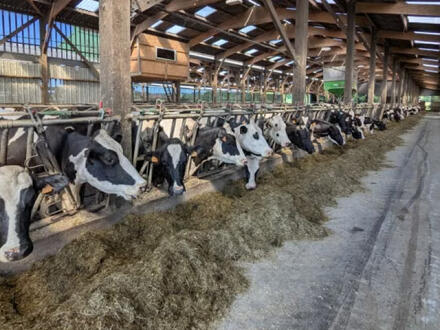
Students looking for Louisiana equine studies scholarships usually hit the same wall fast: there is rarely one scholarship labeled "equine" that covers everything. Most funding comes from a mix of agriculture awards, animal science scholarships, merit aid, need-based grants, and horse-industry programs.
That sounds messy, but it also creates more chances to get help. A student who applies to 10 well-matched awards can build a much stronger package than someone who waits for one perfect horse scholarship to appear. In a simple example, a rider who stacks a $1,500 parish award, a $2,000 agriculture scholarship, and a $3,000 merit grant cuts $6,500 off the bill before loans even enter the picture.
For high school juniors, seniors, current college students, and transfer applicants, the smart move is to think wider than "equine" alone. Degrees tied to animal science, pre-vet, agribusiness, pasture management, and livestock production often connect directly to horse careers. That includes barn management, equine nutrition, reproduction, training support, and veterinary pathways.
This list breaks down 10 practical funding paths for students pursuing equine-related study in Louisiana. It covers campus-based aid, youth organization scholarships, breed and rodeo awards, federal aid, and local foundation money. The goal is simple: help students find real options they can apply for now, without wasting time on poor fits.
1. Louisiana State University Agriculture Scholarships With Equine-Related Study Options
Students interested in horses often start with LSU because its agriculture and animal science options can connect well to equine work. Even when an award does not say "horse" in the title, it may still support equine nutrition, reproduction, farm management, or pre-vet study.
LSU is worth checking early because a single application can open several doors. Its financial aid office outlines scholarships, grants, loans, and work-study in one place, which helps students map costs before they commit.
A strong applicant usually has 3 things:
- Solid grades, often a GPA above 3.0
- Agriculture involvement, such as 4-H, FFA, rodeo, or livestock showing
- A clear career goal, like equine therapy, veterinary medicine, or barn management
Concrete example: a student with a 3.6 GPA, 2 years of horse judging, and 120 volunteer hours at a boarding barn can often present a stronger scholarship case than a student with similar grades but no horse-related activity record.
Students should also look beyond broad campus awards and ask whether the College of Agriculture gives separate consideration for majors tied to equine interests. That matters because even a smaller $1,000 departmental award can cover textbooks, lab fees, or a semester of feed and stable supplies for practicum work.
2. University Agriculture And Animal Science Awards That Support Louisiana Equine Studies Scholarships For College
Many Louisiana equine studies scholarships for college sit inside wider agriculture and animal science funding pools. That is good news. It means students are not limited to horse-only programs, which are often few in number.
Universities may fund students studying:
- Animal science
- Agricultural education
- Agribusiness
- Pre-veterinary medicine
- Livestock production
At the University of Louisiana at Lafayette, the main campus and aid offices can help students compare tuition and financial support while exploring related majors through UL Lafayette and its aid resources. For students whose horse career goal overlaps with business, nutrition, or science, that broader search matters.
A practical example helps here. If a student wants to manage a sport-horse facility, an animal science scholarship worth $2,500 plus a business minor can be more useful than waiting for a rare equine-only award.
Students should ask 4 direct questions when contacting a department:
- Does this scholarship require a declared major?
- Can equine experience count as livestock experience?
- Is there a separate application or interview?
- Are transfer students included?
Those questions save time. They also help students find awards that fit real equine career paths, not just program labels.
3. Louisiana Equine Studies Scholarships For High School Students Through 4-H, FFA, And Youth Livestock Programs
This is one of the best routes for Louisiana Equine Studies Scholarships for High School Students. Students already active in horse shows, judging teams, record books, or parish livestock events often have a real edge here.
4-H and FFA matter because they give scholarship committees proof, not promises. A record book with 2 show seasons, 1 leadership office, and 85 volunteer hours tells a much stronger story than a generic essay that says someone "loves horses."
Students should start with programs connected to agriculture leadership and parish activity, including the Louisiana 4-H awards page and Louisiana FB scholarships. Those options may support broader farm and agricultural education goals that still fit equine studies.
Good application evidence often includes:
- Show records with placings or participation totals
- Officer roles in 4-H or FFA
- Supervised agricultural experience projects
- Vet-shadowing or barn work hours
- Short recommendation letters from coaches, agents, or instructors
A concrete scenario: a senior who competed in 6 rodeos, served 1 year as an FFA officer, and logged 40 hours helping with parish horse clinics has specific material to use in both activity lists and essays.
These programs also teach students how to write about impact. That skill carries into college scholarship applications later.
4. Louisiana Equine Studies Association Scholarships And Horse Industry Foundation Awards
Students should not stop at colleges. Louisiana Equine Studies Association Scholarships and horse-industry foundation awards can fill gaps that campus aid misses.
These scholarships often focus on commitment to the horse industry rather than just GPA. That makes them useful for students whose transcript is good, but not perfect, especially if they have real barn experience.
Common groups to search include:
- State horse councils
- Equine foundations
- Breed organizations
- Racing or rodeo support groups
- Nonprofit horse rescue and education groups
Even out-of-state equine organizations can be relevant if they allow national applicants. For example, the Delaware equine council award shows how horse-industry scholarships often prioritize service, education, and future involvement in the field.
A strong horse-industry application usually includes 4 clear pieces:
- Hands-on horse experience
- A defined career direction
- Service to the equine community
- A realistic budget need
Concrete example: a student who spent 18 Saturdays helping a therapeutic riding center can connect that work directly to goals in equine-assisted services, animal behavior, or nonprofit stable management.
These awards can be smaller, often in the $500 to $2,500 range, but 2 or 3 smaller checks stack fast.
5. First-Year Merit Scholarships That Pair Well With Louisiana Equine Studies Scholarships For First-Year Students
Many students miss this because they separate merit aid from horse-related aid. They should not. Louisiana Equine Studies Scholarships for first-year students often work best when paired with automatic or competitive freshman merit awards.
Merit scholarships usually look at numbers first. GPA, class rank, and test scores can trigger awards before a department reviews equine experience.
That pairing matters in plain dollars. If a first-year student earns a $4,000 merit award and then adds a $1,200 agriculture scholarship plus a $750 local grant, the first-semester bill drops by $5,950. That can cover tuition, books, and a chunk of housing at many public campuses.
Students should build a two-list strategy:
- List A: merit scholarships with academic cutoffs
- List B: equine, agriculture, and animal science awards
This is also where broader Louisiana scholarships help. A student with leadership or community impact could fit the Louisiana Problem Solver award, even if the scholarship is not horse-specific.
The best timing is simple:
- Apply for admission early
- Submit merit forms fast
- Request transcripts before holiday slowdowns
- Reuse one polished activities sheet across applications
Students who wait until spring often find that the easiest money is already gone. First-year aid is usually most generous for organized applicants.
6. Departmental Scholarships For Animal Science, Pre-Vet, And Equine Management Tracks
Departmental scholarships are often the most direct fit for horse-focused students. They are not always flashy, but they line up well with animal science, pre-vet, and equine management tracks.
The key is how departments define "equine relevance." A scholarship may support students studying reproduction, nutrition, genetics, business operations, or large-animal health. All of those can lead to horse careers.
Students should search for awards in departments such as:
- Animal science
- Veterinary technology
- Biology with pre-vet focus
- Agricultural business
- Rangeland or forage management
A concrete example: a student aiming to become an equine nutrition consultant might major in animal science, take feed analysis labs, and intern at a performance-horse barn. That profile fits many departmental scholarships, even when the word equine appears nowhere in the title.
Local and health-related awards can also reduce the non-tuition part of college costs. For students managing medical expenses, the Louisiana Hemophilia Foundation award is one example of a scholarship that may free up funds for class fees, travel, or books.
Students should email department coordinators with a short note of 90 to 120 words. That one message can reveal hidden scholarships, faculty-nominated awards, and internship stipends that never show up in general search results.
7. Regional And Southern University Awards That Expand Louisiana Equine Studies Scholarships For University Applicants
Students should not limit their search to one campus. Louisiana Equine Studies Scholarships for University applicants can expand fast when they compare nearby Southern and regional schools with strong agriculture or animal science options.
That matters because price differences can be smaller than expected after aid. A school with higher sticker tuition may offer a larger merit package, a housing discount, or a departmental grant that makes the final cost lower.
A useful comparison starts with 5 numbers:
- Tuition
- Fees
- Housing
- Meal plan
- Travel cost
For a concrete example, Student A may choose a campus costing $11,800 after in-state rates but only $1,000 in scholarships. Student B may choose an out-of-state campus listed at $19,400 but receive $9,000 in combined merit and agriculture aid. Net cost: $10,400. That is a $1,400 difference in the better direction.
Students looking at general scholarship databases can also widen the search with broader listings at scholarship matches while comparing campus packages.
How To Compare In-State And Out-Of-State Equine Program Costs
Use net price, not sticker price. Sticker price is the billboard number. Net price is what the family may actually pay after grants and scholarships.
A clean comparison sheet should include 7 lines:
- Published tuition and fees
- Average room and board
- Merit scholarship amount
- Departmental scholarship amount
- Grants and FAFSA-based aid
- Travel costs per semester
- Program extras like lab, barn, or equipment fees
If two schools end within $2,000 of each other, students should compare program fit next. A stronger internship pipeline or horse facility may be worth the small gap.
8. Breed Association, Rodeo, And Competition-Based Scholarships For Student Riders
Students with saddle time should absolutely use it. Breed associations, rodeo groups, and competition organizations often reward both performance and leadership.
These scholarships can fit students involved in:
- Barrel racing
- Reining
- Hunter-jumper
- Ranch horse events
- 4-H horse shows
- Breed registry youth programs
What makes these awards useful is the proof they demand. Show records, points standings, event logs, and coach letters create a sharp application file. A rider who attended 14 competitions and placed in 5 has measurable experience that reads clearly to a committee.
Students should look for scholarships from local rodeo associations, national breed clubs, and youth finals connected to their discipline. Some awards care more about participation, sportsmanship, and future horse-industry work than winning alone.
A good competition résumé includes exact details:
- Number of events entered
- Placings or season points
- Leadership roles
- Volunteer work at jackpots, clinics, or youth camps
Concrete scenario: a student who worked gate duty at 9 rodeos and coached 3 younger riders has a stronger service story than a rider who only lists personal results.
For students coming from farm families or active ag communities, pairing competition scholarships with agriculture awards can create a much stronger total package.
9. Need-Based Grants And FAFSA-Linked Aid That Reduce Equine Program Costs
Need-based aid is not exciting, but it is often the biggest piece of the package. Students chasing Louisiana equine studies scholarships should still complete every financial aid form early and carefully.
The main step is filing the FAFSA. Louisiana students can review state aid options through the Louisiana Office of Student Financial Assistance, and many colleges use FAFSA data for campus grants as well as federal aid.
Why does this matter so much? Because a student can lose thousands by skipping one form. In a simple example, missing a campus priority deadline could cost a student a $2,000 institutional grant plus work-study eligibility worth another $1,800 over a term.
Need-based aid may include:
- Federal Pell Grant eligibility
- State grants
- Campus grants
- Subsidized loans
- Work-study jobs
- Emergency completion funds
Students should also remember that equine-related programs can have extra costs beyond tuition. Barn clothes, boots, travel, liability coverage, and lab fees can add $600 to $1,500 in a year depending on the program.
A FAFSA-linked package can absorb some of those practical costs. That is why students should file early, respond to document requests fast, and review the final aid offer line by line rather than looking only at the total.
10. Local Community Foundations And Parish-Based Awards For Louisiana Students Pursuing Equine Studies
Local money is often the least crowded money. Community foundations, parish groups, civic clubs, and occupation-based awards can be excellent for Louisiana students who plan to stay close to home or serve local agriculture.
These scholarships may come from:
- Parish foundations
- Sheriff or law enforcement groups
- Utility or river-region funds
- Local business associations
- Civic and memorial funds
That is where students can find awards with fewer applicants. A national scholarship may draw 2,000 applications. A parish award might get 35.
Examples of local or Louisiana-based options include the Sheriffs' education program, the Pearl River study award, and even industry-adjacent funds such as restaurant association scholarships for students whose work history overlaps hospitality, events, or food service.
A concrete example: a student from a rural parish who spent 2 years helping run local horse shows and also worked 18 hours a week at a café may qualify for both agriculture-facing and community-based awards.
Application Materials That Make Equine Scholarship Essays Stand Out
The best essays sound specific. They do not say, "I love horses." They show what that love looked like at 6:15 a.m. in a damp barn aisle with feed dust in the air and a nervous mare pawing at the stall door.
Students should include 4 types of detail:
- Exact numbers, 47 volunteer hours, 3 foaling rotations, 12 shows
- Real tasks, wrapping legs, cleaning tack, leading warm-ups, recording feed charts
- Clear outcomes, improved confidence, better time management, stronger science goals
- Future use, how the degree connects to a job in equine care, business, or medicine
Strong application packets usually contain:
- A résumé capped at 1 page
- 1 main essay adapted for each scholarship
- 2 recommendation letters
- 1 activity list with exact dates and totals
Students using a platform like StudentScholarships can also organize matches faster and avoid duplicate effort when applying across multiple awards.
Louisiana Equine Studies Scholarships FAQs
What types of scholarships support Louisiana equine studies students?
Students can access various scholarships through agriculture awards, animal science funding, merit-based aid, need-based grants, and horse-industry foundations to support equine studies, creating multiple funding opportunities beyond horse-specific scholarships.
How can high school students in Louisiana find equine studies scholarships?
High school students engaged in 4-H and FFA livestock programs can qualify for scholarships by presenting show records, leadership roles, and volunteer hours, such as those found in the Louisiana 4-H Foundation Scholarships and Louisiana FB Scholarships programs.
What are effective strategies for building a strong scholarship package for equine studies?
Combining multiple awards like parish-level grants, agriculture scholarships, and merit aid builds a robust package. Applying early for merit scholarships and using detailed activity records to support applications enhances success.
How does filing the FAFSA benefit students pursuing equine studies in Louisiana?
Completing the FAFSA is crucial as it unlocks federal Pell Grants, state grants, campus-based aid, and work-study opportunities, potentially covering non-tuition expenses like barn supplies and lab fees, and maximizing overall financial aid.
Can students pursuing equine careers study broader majors to increase scholarship options?
Yes. Majors in animal science, pre-veterinary medicine, agribusiness, and livestock production often align with equine career paths, expanding eligibility for scholarships beyond horse-specific awards across universities like LSU and the University of Louisiana at Lafayette.
Where can I find local or community-based scholarships for equine studies in Louisiana?
Parish foundations, civic groups like the Louisiana Sheriffs’ Educational Scholarship Program, and local businesses offer less competitive scholarships, ideal for students active in their communities, such as those detailed in the EBS Pearl River Study Scholarship and Louisiana Restaurant Association Scholarships.




