

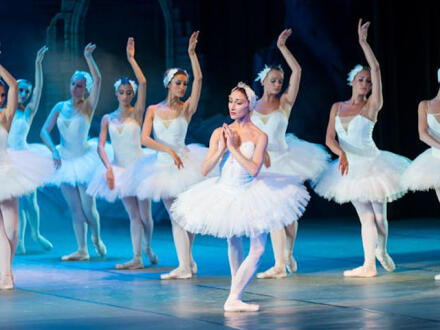
Paying for a music, theatre, or dance degree can feel brutal. Tuition, housing, fees, private lessons, costumes, travel for auditions, and production costs add up fast. For students in South Dakota, the good news is that South Dakota performing arts scholarships come from more than one place. They can come from high schools, colleges, university departments, community foundations, arts groups, and private donors.
That means students do not need to rely on one big award. A smarter plan is often to build a funding stack: one merit award, one need-based grant, one talent scholarship, and one outside scholarship. Even a mix of $500 and $2,000 awards can cover books, accompanist fees, dance shoes, or part of a meal plan.
This guide walks through 10 South Dakota Performing Arts Scholarships That Can Help Students Pay For College by category. It focuses on what students are most likely to find, who tends to qualify, and how to improve the odds of getting funded. It also points to trusted scholarship and financial aid pages that students can use while building an application list.
For high school seniors, first-year students, and current college performers, the main takeaway is simple: start early, apply widely, and treat auditions like part of the scholarship process. In many cases, a polished monologue, a strong choir recording, or a clear résumé can be worth thousands of dollars.
1. South Dakota Performing Arts Scholarships For High School Students
South Dakota Performing Arts Scholarships for High School Students often reward two things at once: talent and preparation. A student may not need a long professional résumé, but they usually need proof of steady work in choir, band, theatre, dance, or speech activities.
In South Dakota, high school seniors often find the best options through school counselors, local arts groups, statewide scholarship databases, and college talent awards. Students with a GPA of 3.0 or higher tend to qualify for more awards because many applications combine academic standards with artistic review.
A practical example: a senior who performed in 6 theatre productions, sang in all-state choir, and kept a 3.4 GPA may be eligible for both arts awards and broader state scholarships. That stacking approach matters.
Students building a list can start with pages such as the Anita F. Boorda arts award and the Mary Doctor scholarship, then compare deadlines and eligibility rules.
Common sources include:
- Local education foundations
- Community theatre donors
- Statewide scholarship platforms
- University talent awards for incoming freshmen
- Memorial scholarships for music or theatre students
Students who wait until spring often miss the strongest options. Many scholarship deadlines land months before college decision day.
2. South Dakota Performing Arts Scholarships For First-Year Students
South Dakota Performing Arts Scholarships for first-year students are often tied to admission. In plain terms, the scholarship search should happen at the same time as the college application, not after a student has picked a school.
Incoming freshmen can qualify through:
- Audition-based talent awards
- Academic merit scholarships
- Need-based institutional aid
- Departmental scholarships in music or theatre
- State-supported programs for eligible residents
One useful point: some first-year performers miss money because they assume only arts majors can apply. That is not always true. A biology major who joins choir or theatre may still qualify for a talent award at some schools.
Statewide aid can also matter. The South Dakota Opportunity Scholarship is not performing-arts-specific, but it can reduce total cost for eligible students and free up room for arts expenses like instruments or travel.
At the campus level, students should review the main aid office before auditions. For example, South Dakota State University outlines broad aid pathways through its financial aid office.
A simple funding example: if a first-year student receives a $3,000 academic award, a $2,500 theatre talent scholarship, and a $1,000 outside arts award, that is $6,500 off the bill before federal aid is added.
Merit Vs. Need-Based Awards For Incoming Freshmen
Merit awards usually look at GPA, class rank, test scores if submitted, and artistic ability. Need-based awards focus on family finances, often using FAFSA data.
The best freshman strategy is to apply for both.
Here is the basic difference:
| Type | What matters most | Typical proof |
|---|---|---|
| Merit-based | Grades and talent | Transcript, audition, résumé |
| Need-based | Financial need | FAFSA, income records |
| Hybrid awards | Need plus achievement | Both sets of documents |
A student with strong talent but average grades should not self-reject. Some theatre and music departments care more about the audition than the transcript. But a student with solid academics should still chase talent money because departments often reward reliable performers who will stay active on campus.
3. University Talent Scholarships At South Dakota Public Universities
Public universities are a major source of South Dakota Performing Arts Scholarships for University students. These awards usually come from departments that need strong performers for ensembles, productions, and touring groups.
In many cases, students do not apply to one single scholarship pool. They audition for the department, submit academic records, and are considered for several awards at once. That can save time, but only if the student meets the audition deadline.
At the University of South Dakota, theatre students can review program expectations through the theatre department, while broader campus aid is handled through financial aid services. That split is common: talent money comes from the department, while grants and loans come from the university aid office.
Students should ask 4 direct questions before auditioning:
- Is the award automatic with admission, or separate?
- Is the scholarship renewable each year?
- Do non-majors qualify?
- Does the department require ensemble or production participation?
A useful comparison point is the Donald Runnicles music scholarship, which shows how specialized music awards often center artistic promise and performance quality.
Music, Theatre, And Dance Opportunities By Department
Music departments often award scholarships for band, choir, orchestra, piano, voice, jazz, and music education. A strong audition may include 2 contrasting pieces, scales, sight-reading, and an interview.
Theatre departments may ask for:
- 2 monologues totaling 60 to 90 seconds each
- A résumé with productions, roles, and training
- A headshot
- A dance call or singing cut for musical theatre
Dance opportunities vary by campus. Some schools offer formal dance scholarships, while others fold dance into theatre, musical theatre, or fine arts funding.
Students should expect competition. If 40 students audition for 8 awards, preparation matters. A clean recording with good lighting and clear sound can make a huge difference.
4. South Dakota Performing Arts Scholarships For College Students
Current undergraduates should not assume scholarship money ends after freshman year. South Dakota Performing Arts Scholarships for College students often open up after students prove themselves on campus.
Departments notice who shows up, learns material fast, and supports productions. A sophomore who played in 3 ensembles, kept a 3.5 GPA, and helped with crew work may become more competitive than a flashy freshman who disappeared after one semester.
This is also the stage when students should search outside their campus. The Dorian De Long arts and music award and the Excellence in academics and performing arts award are examples of scholarships that may fit students once they have a stronger college record.
A smart routine is to set 3 application windows each academic year:
- Early fall for departmental renewals
- Midyear for outside scholarships
- Spring for next-year campus funding
Students who keep recordings, programs, reviews, and recommendation letters in one folder save hours later. One organized scholarship file can cut repeat application time by 50% or more because the same résumé, bio, and repertoire list are reused.
Renewable Awards And Departmental Funding Options
Renewable awards are some of the most valuable scholarships because the total multiplies over time. A $2,000 annual award renewed for 4 years becomes $8,000.
Students should read the renewal terms closely. Common requirements include:
- Maintain a GPA between 2.5 and 3.0
- Stay enrolled full time
- Participate in assigned ensembles or productions
- Remain in the major or department
Departmental funding can also include smaller grants for specific needs, such as:
- Private lesson support
- Travel to festivals or competitions
- Accompanist fees
- Summer music programs
- Theatre conference attendance
Those smaller awards matter. A $350 travel grant can cover a hotel night and gas for an audition trip. A $600 lesson subsidy can reduce one semester of applied music costs.
5. South Dakota Performing Arts Association Scholarships And Related Arts Funding
South Dakota Performing Arts Association Scholarships are worth watching, but students should think beyond one named organization. Arts funding in the state often flows through associations, nonprofit groups, festival sponsors, education partners, and memorial funds.
These awards can be especially useful for students whose work does not fit neatly into one major. For example, a student focused on stage management, playwriting, vocal performance, or community arts leadership may find a better fit in association-based funding than in a narrow departmental award.
Application packages often ask for a mix of artistic and service evidence. That may include:
- A short essay on arts impact
- A performance résumé
- Letters from directors or teachers
- Proof of school or community involvement
- A recording or portfolio sample
Students should also stay open to scholarships outside pure arts labels. The SDATAT program and the Dakota Corps program show how broader South Dakota funding can pair with arts scholarships to reduce overall cost.
One concrete strategy works well here: list every school, church, civic, festival, and youth arts group a student has worked with in the past 4 years. That list often turns into names of recommenders, service hours, and scholarship leads they would have forgotten otherwise.
6. Regional And Community Foundation Scholarships For Performing Arts Majors
Regional funding can be a quiet gold mine. Community foundations often manage dozens or even hundreds of small funds, and some are reserved for local students, first-generation students, or those entering arts-related fields.
The South Dakota Community Foundation is a good example of the kind of statewide resource students should review when looking for local scholarships. Community-based awards may be less crowded than national scholarships because eligibility is narrower.
A student from a town of 8,000 people may face less competition for a county-based scholarship than for a national performing arts contest with 2,000 applicants. That local angle matters.
Strong search filters include:
- Home county or hometown
- Intended college major
- Participation in choir, theatre, band, or dance
- Family background or first-generation status
- Volunteer service in arts education
Students should also search for unrelated local awards that still allow arts majors. The South Dakota Bankers Foundation scholarship is an example of a broader scholarship that can still help a performer pay for college.
Another overlooked point: community foundations often trust clear local stories. A specific example like "they taught 14 middle school students blocking and projection during a 6-week youth theatre camp" is stronger than saying they "helped with community arts."
7. Private Scholarships For Musicians, Actors, Dancers, And Theatre Students In South Dakota
Private scholarships round out the list because they can fill gaps left by colleges and state aid. These awards come from families, donors, companies, nonprofits, and memorial funds. Some are open only to South Dakota students. Others are national but still useful for students studying performing arts in the state.
For musicians, actors, dancers, and theatre students, private scholarships often reward a clear artistic identity. That does not mean a student needs a flashy story. It means the application should quickly answer 3 questions:
- What do they do well?
- How have they grown?
- What will the money pay for?
A strong answer sounds concrete: "They plan to use a $1,500 scholarship for fall tuition, tap shoes, and 12 weeks of voice lessons." That is far stronger than "They need help with college costs."
Students can widen the search by mixing arts-specific and general scholarships. Options on large databases may include awards such as the Fountain performing arts scholarships or non-arts South Dakota awards like the Farm Bureau scholarships, depending on eligibility.
The free tools on StudentScholarships.org can help students sort these opportunities faster. That matters because students who apply to 12 to 15 well-matched scholarships usually have better odds than students who spend all their energy chasing 2 big national awards.
Good private scholarship materials usually include:
- A one-page arts résumé
- One polished recording sample
- A simple budget
- Two recommenders who know the student's work well
- A short essay with exact goals
Private money often comes with fewer campus strings. That flexibility can help pay for the hidden costs performers know too well: reeds, sheet music, makeup kits, scripts, or black rehearsal clothes.
South Dakota Performing Arts Scholarships - FAQ
What are common sources of South Dakota performing arts scholarships for high school students?
High school students in South Dakota often find performing arts scholarships through local education foundations, community theatre donors, statewide scholarship platforms, and university talent awards. Maintaining a GPA of 3.0 or higher and steady involvement in arts activities increases eligibility. For example, exploring the Anita F. Boorda Scholarship is a helpful start.
How can first-year college students in South Dakota qualify for performing arts scholarships?
First-year students can earn scholarships by auditioning for talent awards, applying for academic merit scholarships, seeking need-based aid via FAFSA, and exploring departmental awards in music or theatre. Importantly, non-arts majors who participate in arts activities can still qualify. Combining these options with the South Dakota Opportunity Scholarship can maximize funding.
What should South Dakota university students know about talent scholarships in performing arts departments?
Students should audition by departmental deadlines, understand if awards are automatic or separate from admission, check if scholarships are renewable, and verify if non-majors qualify. Music scholarships like the Donald Runnicles Musical Arts Scholarship highlight the importance of performance quality and promise. Departments commonly require participation in ensembles or productions.
Are performing arts scholarships available beyond freshman year at South Dakota colleges?
Yes, current college students can access scholarships by demonstrating ongoing involvement and academic success. Departments may offer renewable awards and smaller grants for lessons, travel, or accompanist fees. For outside funding, awards like the Dorian De Long Arts and Music Scholarship support continuing artists.
How can South Dakota performing arts students benefit from community foundation scholarships?
Regional and community foundations often manage scholarships for local or first-generation students pursuing performing arts. These awards tend to have narrower eligibility and less competition. The South Dakota Community Foundation is a significant resource to find opportunities by hometown, major, or volunteer involvement, providing additional funding options.
What strategies improve chances when applying for private performing arts scholarships in South Dakota?
Applicants should clearly articulate their skills, growth, and how funds will be used to cover costs like tuition or lessons. Preparing a one-page arts résumé, polished recordings, a budget, strong recommenders, and a focused essay enhances competitiveness. Exploring awards like the Fountain Performing Arts Undergraduate Scholarships helps fill funding gaps.




