

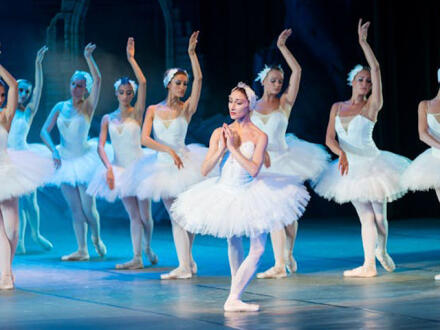
Students who sing, dance, act, or perform often hear the same bad advice: "There just isn't much money for arts majors." That's not true. Alabama performing arts scholarships exist through state arts groups, universities, theatre organizations, and music associations. The hard part is not finding zero options. The hard part is sorting through the right ones before deadlines close.
For high school seniors, first-year students, and current college performers, the best scholarship list is one that saves time and points to real opportunities. This guide does that. It focuses on Alabama Performing Arts Scholarships for High School Students, Alabama Performing Arts Scholarships for College, and awards tied to major universities and arts groups in the state.
The article also explains how each program may fit a different performer. A violinist applying to a music school needs different advice than a theatre student auditioning for campus productions. A dancer at a public high school may need grants, festival support, and college aid stacked together.
Arts careers matter in practical ways too. According to the National Endowment for the Arts, arts and cultural production added more than $1 trillion to the U.S. economy in one recent federal estimate. That means performance training is not just passion. It is also workforce preparation.
Below are nine Alabama performing arts scholarships and scholarship paths worth serious attention, plus a simple way to compare them before applying.
1. Alabama State Council On The Arts Arts Education And Performing Arts Grants
The Alabama State Council on the Arts is one of the first places students should look when searching for arts funding in the state. Its grant programs often support arts education, community programming, and performing arts activity through organizations rather than direct student checks. That detail matters.
For students, these grants can still create real scholarship-like value. A school, community theatre, youth orchestra, or nonprofit may use grant support to reduce tuition, fund training, cover master classes, or sponsor performance opportunities that would otherwise cost a family hundreds of dollars.
In practical terms, that can mean:
- lower fees for summer intensives
- guest artist workshops at no cost to students
- funded travel for ensemble performances
- subsidized theatre or dance instruction
A single arts residency can save a student $200 to $800 in private coaching costs, depending on discipline and length. That makes these grants worth tracking even when the award is not labeled as a standard scholarship.
Students can also widen their search by using platforms that organize niche awards, including options like the performing arts scholarship listings that pull multiple arts-related opportunities into one place.
Who Should Apply And What Arts Disciplines May Qualify
Students should pay close attention if they participate through a qualifying organization. The strongest candidates often come from:
- public high schools with active arts departments
- community theatres
- youth ballet companies
- regional choirs and orchestras
- nonprofit arts education groups
Disciplines that may fit include theatre, dance, instrumental music, vocal performance, and interdisciplinary performance work. Some community-based arts grants also include spoken word, folk performance, and culturally specific traditions.
A useful comparison point comes from regional arts funders such as South Arts, which supports arts access and cultural programming across the South. That broader ecosystem matters because Alabama students often benefit when local organizations combine state grants with regional arts support.
For students building a wider application list, awards such as the Anita F. Boorda scholarship can complement organization-based support. This is especially helpful for students piecing together small awards instead of waiting on one big offer.
2. Alabama Dance Festival Scholarship Opportunities For Student Performers
The Alabama Dance Festival is a smart target for dancers who want both training and funding. Festival-based scholarships may cover class fees, tuition support, intensive registration, or special performer opportunities tied to auditions and workshops.
For a student dancer, that can reduce direct costs fast. A weekend festival with classes, travel, costumes, and registration can easily reach $350 to $900. Even partial assistance makes a difference.
These scholarships tend to reward more than technical skill. Judges and faculty often notice:
- consistency in rehearsal
- musicality and timing
- performance quality on stage
- willingness to take corrections
- attendance and professionalism
That last point gets overlooked. A dancer with strong turnout and average leaps may still outscore a flashier student who misses cues or arrives unprepared.
This matters for Alabama Performing Arts Scholarships for High School Students, because festival scholarships often serve as a bridge between local studio training and college-level auditions. They also help students build resumes with master classes, adjudications, and performance credits.
Students from smaller towns should not assume they are at a disadvantage. Faculty often care more about growth and coachability than polished studio branding. A dancer from a rural school who improved footwork, core control, and expression over one season may stand out more than someone with expensive training but flat stage presence.
When students need additional Alabama-based funding to stack with dance support, broader local awards can help. Community funds such as the Northeast Alabama scholarships sometimes provide flexible education aid that can offset supplies, tuition, or general college costs while dance-specific awards cover artistic training.
3. Alabama Music Educators Association Scholarships For Music Students
For singers, band students, pianists, and aspiring music educators, the Alabama Music Educators Association is a serious name to know. Its scholarships usually favor students with strong musical achievement, school involvement, and clear academic direction.
That means the ideal applicant is not only talented. They often show a pattern of work across several areas, such as:
- all-state or district honor ensembles
- school band, choir, or orchestra leadership
- private lessons over multiple years
- service through mentoring younger musicians
- plans to study music performance, music education, or a related field
This type of award is especially relevant for Alabama Performing Arts Scholarships for College because many recipients use it as one piece of a larger aid package. A music student might combine a department scholarship, a merit scholarship, and one outside association award to cut annual borrowing by $2,500 to $8,000.
The application usually gets stronger when a student includes measurable proof. For example, "principal trumpet for two seasons," "selected for all-state choir," or "earned superior ratings at solo festival three times" says far more than "passionate about music."
Students who want to broaden their music-related scholarship pool can also compare arts awards with academic-performance hybrids such as the excellence in academics and performing arts award. That can be useful for applicants whose GPA is as strong as their audition.
Eligibility Tips For High School Seniors And First-Year College Students
High school seniors and first-year college students should focus on three things: timing, documentation, and repertoire choice.
First, apply early. Music scholarships often close before general financial aid deadlines. Missing a deadline by even 7 days can mean waiting a full academic cycle.
Second, keep documents ready in one folder:
- transcript
- resume of performances and ensembles
- recommendation letters
- audition recordings, if accepted
- FAFSA or school aid records when required
Third, choose audition material that shows control, not just ambition. A clean and expressive performance of a slightly easier piece usually beats a messy attempt at something too hard.
Students entering college should also watch for university-wide merit aid. For example, awards like the in-state merit options can work alongside music-specific funding, which is a practical route for Alabama Performing Arts Scholarships for first-year students.
4. Alabama Conference Of Theatre Scholarship Programs
The Alabama Conference of Theatre deserves a spot on any actor's scholarship list. Theatre students often spend money on audition trips, scripts, headshots, dance shoes, makeup kits, and festival fees. A single round of college audition travel can cost $600 to $1,500 if hotel stays are involved.
That is why theatre scholarship programs tied to conferences and festivals matter so much. They can support students through:
- audition-based awards
- festival recognition
- college recruitment events
- tech theatre or stage management opportunities
- networking with faculty and directors
These programs are useful for actors, musical theatre students, and backstage specialists. Students interested in lighting, costume design, sound, or stage management should not assume all performing arts money goes only to people in the spotlight. Theatre departments often need technically strong students just as badly.
For high school performers, the conference setting also creates exposure. A student may arrive hoping for one scholarship and leave with feedback from three faculty members and a callback from a college program.
That makes this area especially relevant to Alabama Performing Arts Association Scholarships and similar arts-network funding routes. Association-based scholarships do more than lower tuition. They place students in the rooms where decisions happen.
Students who compete in theatre events should also keep related listings in view, including the Thespian festival scholarships. That kind of award can pair well with conference programs, especially for students who build a full season of theatre activity rather than relying on one audition weekend.
5. University Of Alabama Performing Arts Scholarships
The University of Alabama offers one of the more layered funding paths for performers in the state. Students may qualify through music, theatre, dance-related study, academic merit, or general financial aid. That layered approach matters because few students pay for college with one scholarship alone.
For many applicants, a realistic package includes:
- department talent money
- academic merit aid
- need-based aid
- outside scholarships
- smaller local or regional awards
That stacking method can shift total cost by thousands of dollars per year. The university's broader financial aid office also gives students a clearer picture of grants, loans, and scholarship coordination.
Students pursuing university-level arts funding should treat auditions like job interviews. Faculty often evaluate tone, preparation, presence, and responsiveness in a very short window. In some auditions, a panel may form a strong impression in the first 30 to 60 seconds.
The University of Alabama can be especially attractive for students who want both arts training and the scale of a major campus. That mix appeals to students who want performance opportunities without giving up access to honors courses, research resources, student organizations, and broader campus life.
For applicants comparing institutional aid, awards such as the Presidential academic scholarship may also matter when strong grades support the performing arts profile.
Awards For Incoming Freshmen And Current Students
Incoming freshmen should apply early and assume separate deadlines may exist for admission, merit aid, and departmental auditions. That catches students every year.
Current students should not stop looking after freshman year. Many departments offer continuing scholarships based on:
- ensemble participation
- jury results
- production work
- GPA benchmarks
- faculty recommendations
That is good news for students whose first semester was more adjustment than triumph. A sophomore with strong rehearsal habits and better grades may become a stronger scholarship candidate than they were at age 17.
For students comparing Alabama university aid, the Academic Elite awards show how top academic performance can strengthen the full package. This is one of the clearest examples of Alabama Performing Arts Scholarships for University students working best when paired with non-arts merit support.
6. Auburn University Music And Theatre Scholarships
Auburn University is another strong option for students pursuing music or theatre while staying in Alabama. Department awards may support vocalists, instrumentalists, theatre majors, and students active in productions or ensembles.
Auburn's size helps here. Larger universities often have multiple scholarship channels rather than one gatekeeper fund. A student might qualify through a school of music audition, theatre participation, academic merit, or the central aid process run through Auburn's financial aid and scholarships office.
That makes Auburn especially useful for students who are strong in more than one area. For example:
- a clarinet player with a 3.8 GPA
- a musical theatre student who also has strong test scores
- a tech theatre student with leadership in stage crew
- a singer planning to minor in another field
In real cost terms, even a modest departmental award of $2,000 per year trims $8,000 across four years before tuition increases or interest are considered.
Students should also ask practical questions during the process:
- Is the scholarship renewable?
- Does it require ensemble participation every term?
- Is audition repertoire different for majors and non-majors?
- Can outside arts scholarships be added without reducing institutional aid?
Those details decide whether an offer is truly competitive. A slightly smaller renewable award can beat a one-time grant that disappears after year one.
For students building a wider list beyond campus-specific options, broader arts funding like the Queen's Golden Jubilee award can serve as an outside supplement to university aid.
7. Samford University Performing Arts Scholarships
Samford University deserves attention from students who want a smaller campus feel and strong faculty contact. In performing arts programs, that environment can matter a lot. Some students grow faster when they work in tighter cohorts, with more direct feedback and more frequent stage time.
Samford scholarships may support students in music, theatre, worship arts, and related performance areas. The school is also worth a look for students who want a private-university setting but need to mix talent aid with outside scholarship support.
At smaller schools, a student's fit can matter almost as much as raw skill. Faculty often pay close attention to:
- rehearsal discipline
- ensemble attitude
- communication skills
- long-term growth potential
- contribution to campus productions
That helps students who are not the flashiest auditioners but are reliable, prepared, and easy to cast. In a department staging multiple shows or concerts, those traits matter every week.
Families should compare net price carefully. A private university sticker price can look intimidating, but institutional aid plus outside support can change the picture fast. In some cases, a private-school package beats a public option once scholarships are applied.
Students looking for Alabama-specific support outside campus aid can sometimes widen their options through faith-based or statewide funds such as the Baptist Foundation awards. That is especially useful when Samford applicants want to reduce remaining tuition gaps with additional local sources.
8. How To Compare Alabama Performing Arts Scholarships For High School, College, And University Students
Comparing scholarships gets messy fast. A student may have one award for $1,500, another for $4,000, and a third that looks smaller but renews for four years. The best choice is not always the biggest number on page one.
A simple comparison system helps. Students should score each scholarship on five factors:
| Factor | What to check | Why it matters |
|---|---|---|
| Award amount | Exact dollar value | Bigger is not always better if it is one-time only |
| Renewal | One year or multiple years | A renewable $2,500 award can beat a one-time $4,000 award |
| Eligibility | Major, audition, GPA, residency | Avoid wasting time on poor-fit applications |
| Stacking rules | Can it combine with other aid? | Some schools reduce grants when outside awards come in |
| Total cost impact | Tuition, fees, housing, travel | A cheaper school with smaller aid may still cost less overall |
For Alabama Performing Arts Scholarships for High School Students, the goal is often access. Students need money for auditions, festival fees, and first-year enrollment costs.
For Alabama Performing Arts Scholarships for College and university students, the goal shifts toward retention. They need renewable aid, department support, and scholarships that continue after the first year.
One practical tool is to build a spreadsheet with columns for deadline, amount, audition date, essay requirements, and recommendation letters. Students using organized scholarship platforms can save real time. On Studentscholarships.org, many applications and listings are gathered in one place, including Alabama-specific pages like the junior and community college arts award.
Local foundations can also expand the list. Groups such as the Central Alabama Community Foundation may connect students with education-focused funding streams beyond major campus awards.
The smartest applicants usually apply in layers:
- reach scholarships with bigger competition
- match scholarships tied to their skill level
- local scholarships with smaller applicant pools
- institutional aid from the college itself
That approach beats putting all hope into one audition result.
Alabama Performing Arts Scholarships - Frequently Asked Questions
What are some key Alabama performing arts scholarships available for high school students?
High school students in Alabama can explore scholarships like the Anita F. Boorda Scholarship and festival scholarships such as those offered by the Alabama Dance Festival. Local grants through arts organizations also help subsidize training and performance costs, benefiting dancers, theatre performers, and musicians alike.
How can college students in Alabama maximize performing arts scholarship opportunities?
College students should seek layered funding including university departmental aid, outside scholarships, and statewide awards. For example, the University of Alabama offers numerous music and theatre scholarships, and students can combine these with merit-based awards like the Presidential Academic Scholarship to reduce costs effectively.
What criteria do Alabama Music Educators Association scholarships typically consider?
These scholarships favor applicants with demonstrated musical achievement such as participation in all-state ensembles, leadership in school bands or choirs, long-term private lessons, and clear plans for music performance or education careers. Academic performance alongside musical talent strengthens scholarship applications.
Are there performing arts scholarships in Alabama that support technical theatre roles?
Yes, scholarships associated with the Alabama Conference of Theatre and similar programs often include awards for technical theatre students specializing in lighting, sound, costume design, and stage management, recognizing the importance of backstage roles in productions.
What practices help when comparing and applying for Alabama performing arts scholarships?
Applicants should consider award amount, renewal possibility, eligibility, ability to stack with other aid, and total cost impact. Organizing scholarship details in a spreadsheet with deadlines, audition dates, and requirements improves efficiency and increases chances of securing multiple aids.
Can local community foundations assist Alabama performing arts students with scholarships?
Absolutely, organizations like the Central Alabama Community Foundation and the Community Foundation of South Alabama offer education-focused funding streams that can supplement university and state scholarships, expanding financial support options for performing arts students.







