

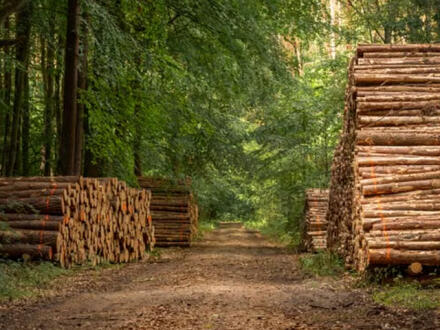
Silviculture is a specific path inside forestry. It focuses on how forests are planted, grown, thinned, restored, and managed over time. For students in Nevada, that can lead to work in forest health, wildfire risk reduction, watershed protection, conservation, and public land management.
The hard part is often money. Tuition, books, field gear, gas for travel, and lab fees add up fast. At a public four-year college, one year of in-state costs can run into the thousands before housing is even counted. A pair of quality field boots alone can cost $140, and a handheld diameter tape or cruiser vest can push the total higher.
That is why Nevada Silviculture Scholarships matter. They can come from agriculture groups, state programs, community foundations, forestry-adjacent organizations, and colleges with natural resource programs. Some awards are built for high school seniors. Others fit first-year students, community college students, or students already in a forestry track.
This guide breaks the search into 10 practical moves. Each one helps students widen the pool, improve their odds, and stack smaller awards into a useful funding plan. Instead of waiting for one perfect scholarship, they can build a list with real numbers, real deadlines, and a better shot at covering costs.
1. Start With Nevada Silviculture Association Scholarships
Students should start with the most obvious fit first: Nevada Silviculture Association Scholarships or similarly named forestry-group awards. When a scholarship is closely tied to silviculture, forest management, or woodland restoration, the applicant pool is usually smaller than for broad general scholarships. Smaller pools can raise the odds.
A good first pass includes searching for:
- state forestry associations
- local forestry chapters
- silviculture or forest health groups
- wildfire restoration nonprofits
- land stewardship organizations in Nevada
If a student finds only 40 eligible applicants for a niche award instead of 400 for a general one, that is a major advantage. Even a $1,000 award can cover books, safety gear, and part of a semester fee bill.
Nevada students should also look at agriculture-linked awards because silviculture often overlaps with land use and resource stewardship. One example is the Nevada Agricultural Foundation award, which can fit students pursuing land-based fields. Another useful tactic is checking whether a local donor fund through the Nevada Community Foundation supports conservation or rural education.
The main goal here is simple: start narrow before going broad. A targeted scholarship usually asks for clearer proof of fit, but it often comes with less competition and better alignment with a forestry career path.
2. Look For Nevada Silviculture Scholarships For High School Students
High school seniors often wait too long to start. That costs them money. Nevada Silviculture Scholarships for High School Students may open months before graduation, and some close before spring sports or final exams even start to crowd the calendar.
Students in FFA, 4-H, environmental science, agriculture classes, or outdoor leadership programs already have usable experience. A student who logged 65 volunteer hours removing invasive plants, helped plant 220 seedlings, or completed a school conservation project has real material for an application.
Good places to look include:
- school counseling offices
- district scholarship bulletins
- FFA chapters
- county conservation districts
- women's and community funds
- Nevada-specific scholarship platforms
Nevada students should also look at broad state awards that can free up money for forestry classes later. The Governor Guinn award and the Nevada BBC&S award are worth reviewing if the student meets the rules.
Strong high school applications usually show early interest plus action. That can mean a science fair project on post-fire regeneration, a school garden irrigation plan, or job-shadowing with a local land manager. Committees are not expecting a professional forester. They are looking for evidence that the student cares enough to keep going.
3. Target Nevada Silviculture Scholarships For First-Year Students Early
First-year students miss a lot of money because they assume scholarships are mostly for seniors in college. That is false. Nevada Silviculture Scholarships for first-year students are common through colleges, donor funds, and field-specific programs tied to student retention.
The timing matters. Many awards open before the first semester starts, and others reopen after the student posts first-term grades. A student with a 3.2 GPA, one forestry lab, and 30 hours of volunteer trail work may already be competitive for smaller awards in the $500 to $2,500 range.
A useful early-action checklist looks like this:
- request transcripts before deadlines pile up
- save one clean resume in PDF format
- draft one base essay and adapt it
- ask 2 recommenders at least 21 days ahead
- track FAFSA and campus aid dates
Students who are women, first-generation, or returning after a break should also search broader Nevada funds. The Nevada Women's Fund award can matter for eligible applicants building a natural resources path.
For program details and campus aid rules, first-year students considering forestry-related study can compare options through the University of Nevada, Reno financial aid office. The key move is not waiting for a "perfect" forestry title. Early applicants often win because they are organized, not because they have the flashiest resume.
4. Explore Nevada Silviculture Scholarships For College Students At Community Colleges
Community college students are often overlooked in scholarship advice, which makes this lane especially useful. Nevada Silviculture Scholarships for College can apply to students completing general education, biology, environmental science, GIS, or agriculture coursework before transfer.
That matters because the first two years can be much cheaper at a community college. At Western Nevada College, students can complete early coursework while keeping costs lower than a typical four-year path. If a student saves even $3,000 to $6,000 across those first terms, that gap can reduce borrowing later.
Students at community colleges should search for:
- transfer scholarships
- agriculture scholarships
- conservation awards
- rural student funds
- county-based donor scholarships
- trade and technical education awards
A practical example: a student taking botany, soil science, and statistics at a community college while volunteering on a fuel reduction project is building a solid silviculture profile. That student may fit both transfer scholarships and forestry-adjacent scholarships.
Some students should also review the Nevada Promise award, which supports qualifying students in the Nevada community college system. Others may find a fit with a trade school award if their route includes technical outdoor or land-management training.
The point is clear: community college is not a scholarship dead end. It is often the cheapest on-ramp into a forestry degree.
5. Prioritize Nevada Silviculture Scholarships For University Programs Related To Forestry And Natural Resources
Students planning to transfer or start at a four-year school should focus on programs that connect directly to forests, watersheds, rangelands, ecology, wildlife, and fire science. Nevada Silviculture Scholarships for University students may not always use the word "silviculture," but they often support the same career direction.
Nevada's higher education system includes multiple paths. State-level system information through NSHE helps students compare institutions, while the University of Nevada, Reno is especially relevant because it is Nevada's land-grant university and has strong ties to agriculture, natural resources, and research.
When students review university scholarships, they should search by these terms:
- forestry
n- natural resources
- environmental science
- conservation biology
- wildfire science
- watershed management
- public land management
A university route can open doors to faculty-led research, internships, and field stations. Those experiences matter. A student who spends 80 hours on a forest inventory project or assists with seedling survival monitoring has much stronger scholarship material than a student who only lists coursework.
And they should not ignore adjacent public-service schools. Nevada State University may fit students who want smaller class sizes while building toward environmental education or related natural resource roles.
The best strategy is to match the program language to the scholarship language. If the award mentions conservation, restoration, or land stewardship, a silviculture-focused student may still be a strong fit.
6. Search Agriculture, Forestry, And Conservation Scholarships That Also Fit Silviculture Goals
This is where students can greatly expand their list. Silviculture is specialized, but scholarship committees often place it inside broader buckets like agriculture, forestry, conservation, ecology, or natural resources. A student who only searches "silviculture" may find 8 options. The same student who adds broader terms might find 35.
That wider net should include:
- agriculture scholarships
- forestry scholarships
- conservation scholarships
- environmental stewardship awards
- wildfire resilience scholarships
- rural leadership scholarships
A useful example is the Placer-Nevada Cattlewomen agriculture award. Even if the title is not forestry-specific, students with a land-management focus may still qualify. The same logic applies to local funds managed through organizations like the Nevada Fund, where donor interests can overlap with conservation, education, and rural communities.
Students should read the purpose statement, not just the title. If the award supports soil health, watershed protection, habitat improvement, or working landscapes, silviculture often fits naturally.
This broader search also helps students combine awards. One $750 conservation scholarship, one $1,000 agriculture scholarship, and one $1,500 campus award together produce $3,250. That could cover tuition, lab fees, and several months of fuel for field travel.
7. Use State, Regional, And Western Forestry Organizations To Expand Your Options
Students should not stop at Nevada-only searches. Forestry work crosses state lines, especially in the West, where drought, wildfire, insect pressure, and restoration needs connect agencies and nonprofits across large regions. Expanding the search can multiply the number of real options.
A student in Nevada may qualify for Western-region scholarships if the rules mention public lands, forestry, conservation, or natural resource careers. That matters because regional organizations often want more applicants from underrepresented rural areas.
A practical search plan includes:
- state forestry associations in nearby Western states
- Society of American Foresters chapters
- conservation corps scholarship pages
- wildfire and restoration nonprofits
- public land internship programs
- college scholarship databases with regional filters
Nevada education and workforce information from the Nevada Department of Education can also help students describe their local context clearly. That is useful in essays that connect education to state workforce needs.
Students using a scholarship platform should filter by major, state, and career interest at the same time. On a free platform like StudentScholarships.org, that can reduce hundreds of results to a shorter list that feels manageable instead of chaotic.
Relevant Groups And Scholarship Databases To Check
Students do better when they build a repeatable search system instead of relying on random web searches. A good system has 6 to 10 sources that they check every 2 weeks.
Useful categories include:
- campus financial aid pages
- statewide scholarship databases
- forestry society chapters
- county farm bureaus
- conservation district newsletters
- community foundations
- career-centered scholarship platforms
For example, a student could spend 45 minutes every other Saturday checking a spreadsheet with columns for award name, amount, eligibility, essay count, and deadline. After 8 weeks, that student might collect 18 realistic opportunities instead of only 3 remembered from a counselor email.
Students should also save exact search strings such as:
- "Nevada silviculture scholarship"
- "Nevada forestry student scholarship"
- "Western conservation scholarship undergraduate"
- "natural resources transfer scholarship Nevada"
This section is less glamorous, but it works. Organized searching usually beats last-minute searching.
8. Strengthen Your Application With Silviculture-Focused Coursework, Projects, And Field Experience
Scholarship committees want proof, not just interest. A student does not need a long resume, but the application should show actions that match silviculture. That can come from classes, projects, jobs, clubs, or volunteer work.
Strong evidence includes:
- biology, ecology, botany, soils, GIS, or statistics coursework
- FFA or 4-H leadership
- tree planting or restoration events
- wildfire mitigation volunteering
- campus sustainability projects
- work with parks, nurseries, or landscaping crews
Concrete details make a difference. "Helped with a restoration project" is weak. "Measured 96 saplings, mapped 12 plots, and tracked survival across 6 weeks" is much stronger.
Students can also turn ordinary experience into relevant proof. A part-time nursery worker who irrigated seedlings, identified disease damage, and tracked inventory already has skills tied to forest regeneration. A summer trail crew member who spent 120 hours clearing fuel loads has field experience that scholarship readers will recognize.
If a student has limited experience, one small project can still help. They could build a 4-page report on post-fire tree recovery in a Nevada watershed, interview a local land manager, or document species differences in a school arboretum. Specific work beats vague passion almost every time.
9. Build A Standout Essay Around Nevada Forest Management, Conservation, And Career Goals
A strong essay answers one basic question: Why this student, for this field, in this place? For Nevada applicants, that "place" angle is powerful. The state faces real issues tied to drought, wildfire risk, habitat protection, watershed health, and land stewardship.
A standout essay should include:
- one personal origin story
- one Nevada-specific environmental issue
- one academic plan
- one career goal
- one concrete example of action already taken
Specificity wins. A student might describe spending 3 summers near pinyon-juniper woodlands, watching smoke affect family routines, then deciding to study forest regeneration and fuel management. That is much more memorable than saying they "love nature."
Committees also like practical career paths. Examples include forest technician, silviculturist, restoration specialist, wildfire mitigation planner, or public land manager. When students connect their goal to Nevada communities, the essay becomes stronger.
What Scholarship Committees Want To See In Your Essay
Most committees look for 5 things:
- Clear fit. The student explains why silviculture, forestry, or conservation matches their background.
- Local awareness. The essay mentions Nevada problems such as water limits, post-fire recovery, or forest health.
- Evidence. The student includes numbers, tasks, or outcomes from real experience.
- Direction. The academic and career plan is believable.
- Use of funds. The student shows how the money will help, such as covering 2 lab fees, a GIS course, or $480 in textbooks.
A clean 500-word essay with one vivid story and two concrete examples will often beat a generic 900-word essay.
10. Track Deadlines, Reapply Every Year, And Combine Multiple Awards
This step is boring. It also saves real money. Students lose scholarships every cycle because they miss deadlines, forget passwords, or assume a rejection means they should stop applying.
A simple tracking sheet should include:
- scholarship name
- award amount
- deadline
- essay required or not
- transcript needed
- recommendation count
- status submitted or not
One student who applies to 12 scholarships with an average award of $1,250 is pursuing a total pool of $15,000. Even if they win only 2 awards, that is still $2,500. Win 4, and the number jumps to $5,000.
Reapplying matters too. Some scholarships are annual, and committees may remember a stronger second application. If a student adds a semester GPA, 50 volunteer hours, and a better essay, their odds can improve a lot from one cycle to the next.
Students should also stack aid where rules allow. A campus scholarship, a local conservation award, and a state grant can often work together. That is one reason organized platforms help. On StudentScholarships.org, students can keep searching and applying without paying a fee, which lowers friction when they need to submit multiple applications across the year.
Nevada Silviculture Scholarships - Frequently Asked Questions
What are Nevada Silviculture Scholarships and who can apply?
Nevada Silviculture Scholarships support students studying forest planting, growth, restoration, and management. Eligible applicants include high school seniors, first-year college students, community college attendees, and university students pursuing forestry or related natural resource programs.
How can high school students increase their chances of receiving a Nevada Silviculture Scholarship?
High school students can enhance their applications by demonstrating early interest in forestry through activities like FFA, 4‑H, volunteer projects, and environmental science classes. Searching early in school counseling offices and local conservation groups improves scholarship opportunities.
Why should community college students in Nevada consider silviculture scholarships?
Community college students can find Nevada Silviculture Scholarships that help fund early coursework in biology, environmental science, or agriculture, offering a more affordable path before transferring to four-year programs. Scholarships like the Nevada Promise support these students' natural resource studies.
Which organizations should Nevada students explore for regional or broader silviculture scholarship opportunities?
Besides Nevada-specific groups, students can look to Western state forestry associations, conservation corps, and regional wildfire restoration nonprofits. These widen options as many scholarships support careers in forestry, conservation, and public land management across the Western U.S.
How important is it to include Nevada-specific environmental issues in scholarship essays?
Including Nevada-specific topics like drought, wildfire risk, forest health, or watershed protection in scholarship essays strengthens the application by showing local awareness and a clear connection between the student's goals and regional conservation challenges.
Can students combine multiple scholarships to fund their silviculture education in Nevada?
Yes. Students are encouraged to combine campus awards, local conservation scholarships, and state grants where allowed. This stacking strategy helps cover tuition, field gear, books, and travel expenses, maximizing overall financial support for their studies.









