

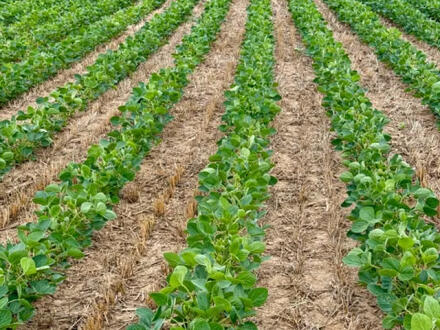
Montana farming scholarships can make college feel a lot less expensive for students who grew up around wheat fields, cattle herds, sugar beets, hay ground, or FFA jackets. For many families, even a modest award of $500 to $2,000 can cover books, lab fees, diesel for a semester commute, or part of a housing bill.
That matters in a state where students often travel long distances for school and many work part time during calving, harvest, or irrigation season. A scholarship can do more than lower tuition. It can also connect a student with farm groups, ranching leaders, and future employers.
This list focuses on Montana Farming Scholarships for High School Students, Montana Farming Scholarships for College, Montana Farming Scholarships for University, and options for first-year students who plan to study agriculture or a related field. Some are aimed at FFA members. Others come from farm organizations, commodity groups, universities, counties, or national agriculture programs.
The big idea is simple: students do not need to rely on one huge award. A stack of smaller scholarships often works better. Five awards worth $1,000 each can cut $5,000 from a school bill, which is real money for a student paying for classes, feed science labs, welding supplies, or rent in Bozeman, Missoula, or a smaller college town.
1. Montana FFA Scholarships For High School Students Pursuing Agriculture
Montana FFA scholarships are often the first stop for students who want Montana Farming Scholarships for High School Students. They fit students with a record of supervised agricultural experience, chapter leadership, and community work.
A strong FFA application usually shows three things: grades, involvement, and a clear ag plan. A student who logged 420 hours in a beef project, served as chapter secretary, and plans to study agronomy gives reviewers a much clearer picture than a student who writes only "likes agriculture."
Common factors that help applicants stand out include:
- FFA degree level or chapter office
- SAE records with exact hours, income, or herd numbers
- Public speaking or CDE participation
- Volunteer work at county fair, food drives, or ag education events
Many local and state FFA-related awards fall in the $500 to $2,000 range. That may sound small, but a $1,200 award can cover a full semester of textbooks and course materials for some ag students.
Students should gather materials early. Most strong packets include a transcript, resume, recommendation letters, and a personal statement with specific examples. If a student raised 12 market lambs, repaired fence on 160 acres, or managed greenhouse sales, those details matter.
A practical tip: reuse core essays, but change the opening and closing for each scholarship. Reviewers can spot a copied essay fast.
2. Montana Farm Bureau Foundation Scholarships For Future Agricultural Leaders
Farm Bureau programs are some of the best-known Montana Farming Association Scholarships because they often reward leadership, rural roots, and long-term interest in agriculture. These awards are especially useful for students who have ties to farming, ranching, or county Farm Bureau involvement.
Some awards connected to Farm Bureau have clear dollar amounts. The women's leadership award includes two scholarships, and the county farm options can include local awards with smaller applicant pools. Fewer applicants can mean better odds.
What makes this group worth watching?
- State and county-level awards may both be available
- Students can often fit agriculture, agribusiness, animal science, or rural education goals into the mission
- Family or community Farm Bureau ties may strengthen the application
A good application does more than say a student wants to "help agriculture." It should explain how. For example, a future ag teacher might write about coaching a soils team. A pre-vet student might describe working with 85 head during branding and vaccination season.
Students should also look for county-specific deadlines. Local boards may award $500 to $4,000, and some rural applicants skip them because they focus only on state-level money. That is a mistake. In scholarship hunting, local money is often the least crowded lane.
3. Montana Farmers Union Scholarships For Rural And Farm Community Students
Montana Farmers Union scholarships are a strong fit for students from farm and ranch families, especially those active in rural communities. They can work well for seniors heading to trade school, college, or a university agriculture program.
One listing for the Montana Farmers Union application notes two $500 scholarships. That total of $1,000 may not pay a whole semester, but it can cover a meal plan deposit, tools for an ag mechanics class, or several months of fuel for a commuter student.
These scholarships often favor students who can connect education to community service. Reviewers want to know how a student will bring value back to rural Montana.
Strong themes often include:
- Keeping family farms financially healthy
- Improving soil or water use
- Expanding local meat processing capacity
- Supporting rural schools and co-ops
A concrete example works best. A student who explains that drought cut hay production from 480 tons to 310 tons and pushed them toward agricultural economics tells a story that feels real.
Students who need more options can pair this search with broader farm-family awards such as the farm family scholarship listing. That kind of stacking is smart. Winning three awards at $500 each still puts $1,500 toward college bills.
4. Montana Stockgrowers Association Scholarships For Ranching And Livestock Majors
Students interested in cattle, rangeland, feed, or livestock business should pay close attention to stockgrower and cattle-industry awards. These are some of the most direct Montana farming scholarships for students who plan to stay close to ranching.
Livestock-focused scholarships usually reward students in majors such as:
- Animal science
- Rangeland ecology
- agricultural business
- pre-veterinary studies
- meat science
The Montana Cattlemen's scholarship and the CattleWomen memorial award are worth tracking because they match students with real livestock experience. A student who helped preg-check cows, tracked feed costs, or kept calving records for 240 pairs has a natural edge here.
Reviewers often like hands-on proof. Numbers help a lot. If a student managed a show string of 6 heifers, improved average daily gain on a 4-H project, or worked 18 hours per week at a feed store, that makes the application stronger.
There is another plus. Livestock associations are tight-knit. A scholarship from one group can lead to internships, convention contacts, and recommendation letters later. That network can be worth as much as the first check.
For ranch kids who want to build a long career in beef production, this category should stay near the top of the list.
5. Montana State University Agricultural Scholarships For First-Year Students
Montana State University is one of the biggest names students think of when they search for Montana Farming Scholarships for first-year students. That makes sense. Montana State University has a large agriculture presence, and first-year students can often combine department aid, college-based awards, and outside scholarships.
At a school this size, organization matters. Students should track each deadline in one sheet and note whether an award is automatic, department-based, or competitive. Missing one form can cost $1,000 to $3,000 in aid.
The university's financial aid office is useful for comparing grants, loans, work-study, and scholarship timing. That helps students avoid a common problem: winning a private award but turning in paperwork too late for it to post before the first tuition bill.
Students applying to agricultural majors should mention specific interests such as precision ag, irrigation management, plant science, or livestock systems. A general essay feels weak next to one that says a student wants to improve barley yields on dryland acres or reduce feed waste by 8%.
Key Eligibility Requirements For First-Year Applicants
First-year applicants usually need a mix of academic and program-specific details. Exact rules vary, but most applications ask for:
- High school transcript and GPA
- Admission status at the university
- Declared or intended agriculture-related major
- Essay or short answer responses
- Letters of recommendation
- FAFSA or financial information, in some cases
A good first-year application shows direction. A student does not need a perfect plan, but they should show momentum. For example, "completed 3 years of ag education, held one FFA office, and worked 2 summers on a wheat farm" is far stronger than vague interest.
6. University Of Montana And Related Montana Farming Scholarships For University Students
When students think about agriculture money, they often focus only on land-grant schools. That is too narrow. Montana Farming Scholarships for University students can also appear through campus financial aid offices, foundation funds, and related programs at schools that are not purely ag-centered.
The University of Montana financial aid office can help students locate institutional aid, private awards, and deadlines that affect transfers or returning students. This matters because a student changing majors, or transferring after a community college start, may still qualify for farm-connected support.
Agriculture ties do not always mean "production agriculture" only. A student studying environmental science, wildlife biology, rural health, business, or education may still fit some scholarship rules if their work supports rural communities.
A smart search here includes:
- University foundation scholarships
- Rural student awards
- Land stewardship or conservation funds
- County-based donor scholarships
Students should also search broader state pools. The community foundation database can help uncover awards tied to hometown, field of study, or family background.
A concrete example: a student from a ranch near Miles City studying business may qualify for a rural scholarship, a county award, and an agriculture association fund at the same time. Three awards of $750, $1,000, and $1,500create a$3,250 package without relying on one source.
7. Community College Agriculture Awards For Montana Farming Scholarships For College
Community colleges deserve more attention in any guide to Montana Farming Scholarships for College. They often cost less up front, and many students use them to complete general education, welding, diesel, animal science, or ag business courses before transferring.
For some students, that route cuts total borrowing in a big way. If tuition and living costs are $4,000 lower per year, a two-year start can reduce expenses by $8,000 before transfer.
Schools with rural and tribal ties can be especially relevant. Fort Peck Community College serves students in northeast Montana and offers programs that connect to community needs, workforce training, and local opportunity. That makes it a useful option for students who want a smaller setting close to home.
Community college applicants should look at three layers of funding:
- School-based scholarships
- Program or workforce awards
- Local agriculture and county awards
This route works well for students who are practical, budget-focused, or still deciding between paths like crop production, mechanics, pre-vet, or agribusiness. A student can complete core classes, build a stronger GPA, and transfer later.
And there is less competition in some pools. A scholarship with 40 applicants at a small college may be easier to win than a statewide award with 400 applicants. Odds matter. Students should pay attention to them.
8. Commodity Group And Montana Farming Association Scholarships To Watch
Commodity boards and producer groups are often overlooked, yet they are some of the most practical Montana Farming Association Scholarships available. These groups support the future workforce that keeps Montana crops and livestock moving.
A scholarship from a commodity organization can be a very direct fit. Wheat groups may prefer students in agronomy or plant science. Cattle groups may prefer animal science or ranch management. Sugar beet, pulse crop, wool, or seed associations may all have their own donor funds, contests, or annual awards.
Students should not wait for one giant list to appear. The better move is to make a simple tracker with association name, amount, due date, and contact person. Even 10 applications at an average of 90 minutes each can produce a strong return.
Best Associations And Commodity Boards To Check
Students should watch these categories first:
- Wheat and barley groups
- Cattle and wool associations
- Pulse crop organizations
- Sugar beet and seed grower groups
- Farm credit and rural finance organizations
The Farm Credit agriculture award is a good example of a sector-specific option. Students can also watch for named awards such as the Bernard Greufe scholarship, which lists $1,500.
The best essays here are specific. A student writing about improving protein premiums in wheat or lowering winter feed waste on 300 tons of hay will stand out more than someone using generic farm language.
9. Local County, Co-Op, And Rural Electric Scholarships With Agriculture Ties
Local scholarships are not flashy, but they win bills. County groups, farm supply co-ops, conservation districts, and rural electric associations often offer smaller awards with far fewer applicants.
That small pool can be the whole story. A local scholarship with 18 applicants gives better odds than a state award with 180 applicants, even if the dollar amount is lower.
Students in rural areas should ask about:
- County Farm Bureau scholarships
- Electric co-op awards
- Rural telephone or broadband scholarships
- Local co-op and feed store awards
- Community foundation and county donor funds
The Douglas County Farm Bureau listing is a good reminder that local awards can be sizable, including two $4,000 awards in one example. That is enough to change a student's college budget in one shot.
These applications also let students tell hometown stories that statewide committees may miss. A student can write about branding in March wind, hauling water during a dry stretch, or driving 42 miles each way to school while helping on the family place.
Teachers, extension agents, and co-op managers often know about these awards before students do. Asking early can uncover money that never shows up in broad search results.
10. National Agriculture Scholarships Montana Students Should Not Overlook
National scholarships should stay on the list, even for students focused on Montana. They bring bigger competition, but they also bring bigger award amounts and more total programs.
Some national agriculture scholarships are open to students in animal science, agronomy, ag communications, ag engineering, food science, and rural leadership. Others are built for farm families or students with FFA and 4-H backgrounds.
A few useful places to branch out include the 4-H scholarship options and broader scholarship search tools that sort awards by field, location, or deadline. Students using a search platform well can save hours. If a tool trims the search from 12 hours to 3 hours in a month, that time can go into essays instead.
National applications often ask for polished materials. Students should be ready with:
- A master resume
- One short essay and one long essay
- A transcript PDF
- Contact details for 2 to 3 recommenders
- A list of leadership, work, and service hours
The payoff can be large. A single national award of $2,500 to $5,000 may beat five smaller local applications.
Students who are willing to apply broadly usually do best. Montana-only money is great, but a mixed strategy is stronger.
Montana Farming Scholarships FAQs
What types of Montana farming scholarships are available for high school students?
High school students in Montana can pursue scholarships through Montana FFA programs, emphasizing supervised agricultural experience, leadership, and community involvement, often awarding $500 to $2,000 for those planning to study agriculture in college.
How can Farm Bureau Foundation scholarships support future agricultural leaders in Montana?
Farm Bureau scholarships reward students with farming or ranching ties who demonstrate leadership and long-term agricultural interest, offering awards from $500 to $4,000 and recognizing majors like agribusiness, animal science, or rural education.
What are some benefits of applying for Montana Farmers Union scholarships?
Montana Farmers Union scholarships support rural and farm community students, rewarding those who connect their education to strengthening rural Montana through areas like soil improvement or local meat processing, with awards typically around $500 each.
Which Montana farming scholarships are best suited for students interested in livestock and ranching?
Students passionate about livestock and ranching should consider Montana Stockgrowers Association scholarships, including the Montana Cattlemen's and CattleWomen Memorial scholarships, which favor majors such as animal science and range management and hands-on ranch experience.
How do Montana State University agricultural scholarships assist first-year students?
Montana State University offers numerous agricultural scholarships for first-year students, which can be departmental or competitive; applicants must track deadlines and submit materials like transcripts, declared majors, and essays showing specific agricultural interests.
Are there local Montana scholarships that support farming students outside major universities?
Yes, local county Farm Bureau, rural electric co-ops, and community foundations provide smaller but less competitive scholarships, sometimes up to $4,000, helping students with agriculture ties in rural areas meet college expenses while highlighting their rural experiences.






