

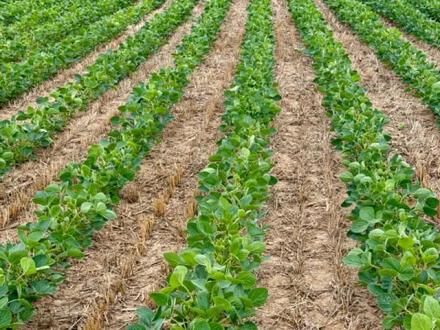
Students looking for Nevada crop science scholarships have more options than they might think. Money can come from crop science groups, university departments, statewide agriculture foundations, youth programs, and local grant makers. For a student who wants to study agronomy, plant science, soil science, irrigation, seed technology, or agricultural business, stacking a few smaller awards can sometimes cover more than one large scholarship.
That matters because college costs add up fast. The College Board reports that average tuition and fees at public four-year schools are several thousand dollars per year for in-state students, and that does not include housing, books, lab supplies, or transportation. A single $1,500 award can cover textbooks and course materials for a full term. Two or three awards can make a real dent in tuition.
This guide breaks the search into clear paths. It covers Nevada Crop Science Scholarships for High School Students, awards for first-year applicants, funding for current college students, research-focused programs, and regional scholarships that Nevada students can use. The goal is simple: help students spot the best-fit scholarship categories, apply early, and build a smarter funding plan instead of relying on one application alone.
1. Nevada Crop Science Association Scholarships For Agriculture-Focused Students
Students who want the most direct match should start with Nevada Crop Science Association Scholarships and similar agriculture-group awards. These scholarships usually favor students with a clear link to crop production, agronomy, plant health, soil management, irrigation, or related farm systems.
A strong application here often includes:
- A stated major such as crop science, plant science, agronomy, or agricultural education
- Evidence of ag involvement through FFA, 4-H, farm work, greenhouse work, or research projects
- A short essay that connects study plans to Nevada agriculture
- One or two practical examples, such as improving irrigation efficiency or pest management
The advantage is focus. A general scholarship may get 800 applicants. A crop-specific award may draw far fewer, which improves the odds for students with the right background.
A useful move is pairing statewide ag awards with related listings like the environmental agriculture award. Even when a scholarship is not Nevada-only, students interested in soil health, food systems, or farm sustainability can often make a strong case.
Students should also use concrete numbers in essays. For example, saying they managed a 1.5-acre school plot, logged 42 volunteer hours, or raised crop yield by 12% in a supervised project sounds far stronger than saying they "helped a lot" with agriculture work.
2. University Of Nevada, Reno Crop Science And Plant Science Department Awards
For students who plan to attend the University of Nevada, Reno, department-based awards deserve early attention. As Nevada's land-grant university, UNR has long-standing agriculture programs, and departmental scholarships can line up well with crop science goals.
These awards often come from:
- Academic departments
- Alumni endowments
- Faculty-selected research funds
- College-level donor scholarships
Students in plant science, agriculture, soil systems, or related majors should watch for requirements tied to GPA, full-time enrollment, or research participation. Some awards are automatic through one application portal, while others need separate materials.
The school's financial aid office is also worth checking because institutional aid can work alongside department funding. That stacking approach matters. A $2,000 departmental award plus a $1,000 need-based grant plus a small outside scholarship can cover a semester of fees and books.
Good applicants usually show more than grades. A student who completed a greenhouse trial, collected soil samples from 18 test plots, or worked one season with irrigation scheduling has a stronger story than someone who only lists "interest in agriculture."
For students comparing options, UNR's crop-related departments are often the most direct academic fit in the state for Nevada Crop Science Scholarships for University pathways.
3. College Of Agriculture, Biotechnology & Natural Resources Scholarships In Nevada
Beyond one department, students should look at scholarships offered through the full college unit. At UNR, the College of Agriculture, Biotechnology & Natural Resources can open doors for students whose plans cross over crop science, natural resources, biotechnology, and ag business.
This wider search matters because many students fit crop science without using that exact major title. A student studying plant biotechnology, rangeland systems, environmental science, or agricultural education may still qualify for agriculture-based aid.
Common selection factors include:
- Major or intended major
- Academic performance
- Nevada residency
- Financial need
- Leadership in ag programs
- Career goals tied to food production or land use
Students should read the scholarship descriptions closely. One donor may prefer first-generation students from rural counties. Another may favor students interested in water management, which is highly relevant in Nevada where irrigation efficiency shapes farm success.
This is also where broader agriculture listings can help. The Nevada Agricultural Foundation listing can fit students whose goals connect to the state's agricultural future, even if their emphasis is crop systems rather than livestock.
A solid application can mention exact context: for instance, a student from Churchill County or Lyon County who has seen water limits affect alfalfa or specialty crop production can write a much sharper essay than someone speaking in general terms.
4. Nevada Crop Science Scholarships For High School Students Planning Ahead
Nevada Crop Science Scholarships for High School Students often reward early planning more than perfect credentials. Students who start in sophomore or junior year usually have more time to build the right profile.
That profile can include:
- FFA chapter work
- 4-H crop or horticulture projects
- Science fair entries on plant growth or soils
- Dual-enrollment agriculture classes
- Volunteer work in community gardens or greenhouses
Planning ahead matters because deadlines can land 6 to 9 months before college starts. A student who waits until spring of senior year may miss half the best options.
Local awards can also be underrated. The Nevada BBC&S scholarship listing is one example of a Nevada-specific path students may overlook while chasing national awards. Smaller scholarships of $500 to $1,500 can still cover testing fees, dorm deposits, or lab materials.
Students aiming for crop science should make the interest visible before senior year. A good example: a student tracks plant height in a school greenhouse for 8 weeks, compares two fertilizer treatments, and writes a short report with photos and results. That tiny project becomes proof of interest.
Broader science awards can help too. A listing like the high school science scholarship page shows how students can frame research, data collection, and scientific curiosity in ways that later strengthen agriculture applications.
5. Nevada Crop Science Scholarships For First-Year Students Entering College
Nevada Crop Science Scholarships for first-year students sit in a sweet spot. These students are not competing only with high school seniors, and they are not yet limited by upper-division major requirements. That creates a wider application pool.
First-year students should target three buckets at once:
- University freshman scholarships
- Agriculture college awards
- Outside scholarships tied to plant, soil, or food systems
Many Nevada students also begin at lower-cost institutions before transferring. At Western Nevada College, students can complete early coursework at a lower price and still build a path toward agriculture or plant science study. That route can reduce total borrowing by thousands of dollars.
Community college students should not assume crop science money is off the table. If their coursework includes biology, chemistry, environmental science, or agricultural foundations, they can still position themselves well for transfer and future departmental aid.
A strong first-year application should include one concrete outcome. For example, a student might explain that paid internship income of $3,200 covered living costs, but tuition still left a $2,100 gap. Specific numbers make financial need real.
Students using scholarship search platforms can save time by sorting for major, residency, and class year. On large databases such as this scholarship directory, filters help students avoid spending 4 hours on awards they do not qualify for.
6. Nevada Crop Science Scholarships For College Students Continuing Their Degree
Current undergraduates often have better odds than incoming freshmen because they can prove college performance. That makes Nevada Crop Science Scholarships for College especially valuable for sophomores, juniors, and seniors.
By this stage, students can show:
- College GPA
- Major-specific coursework
- Lab or field experience
- Internship hours
- Faculty recommendations
That proof matters. A sophomore who earned a 3.4 GPA in plant biology and soil science is easier to evaluate than a high school senior with only general interest.
Students should also apply for scholarships outside Nevada if the major fit is strong. The crop sciences scholarship example shows how crop-focused awards can align with agronomy and plant production goals even when the sponsoring organization is based elsewhere. If rules allow out-of-state applicants, that is extra opportunity.
Another smart move is updating essays each term. A weak freshman essay might say, "They love agriculture." A better continuing-student essay says they analyzed soil texture from 24 samples, worked 96 hours in a greenhouse, and want to improve salinity management in irrigated systems.
Students should ask faculty about donor-funded awards too. Some departmental scholarships get fewer applicants simply because the form sits in an internal portal and students never open it. That kind of missed opportunity happens more than most people think.
7. Nevada Crop Science Scholarships For University Students In Research-Oriented Programs
Research-based students have a separate edge. Scholarships tied to undergraduate research, honors work, or faculty-led projects can support students who want careers in agronomy, plant breeding, pest management, or water-use efficiency.
In crop science, research can look like:
- Comparing seed varieties in controlled plots
- Measuring irrigation effects on yield
- Tracking pest pressure across a growing season
- Testing soil amendments in greenhouse conditions
This matters in Nevada because arid conditions make water and soil management central problems, not side topics. A student who studies irrigation timing or salinity is working on an issue with direct local value.
Applicants should be specific about methods. Saying they monitored chlorophyll readings across 30 plants, collected weekly moisture data, or built a poster presentation for a campus symposium makes the work feel real.
Students in teaching-focused environments can still build research experience through mentors, summer projects, or transfer pathways. At Nevada State University, smaller class sizes may help students get closer faculty contact, which can lead to stronger recommendation letters and project support.
For women pursuing agriculture or science-adjacent programs, the Nevada Women's Fund scholarship listing may also fit as part of a stacked funding plan. Research students often patch together several awards rather than waiting for one large check.
8. Nevada FFA, 4-H, And Youth Agriculture Scholarships With Crop Science Relevance
FFA and 4-H remain two of the clearest feeder paths into agriculture scholarships. Students who have already logged project work, competition entries, officer roles, or fair participation have ready-made material for applications.
That background supports crop science in practical ways. A livestock-focused student may still qualify if they can connect feed production, forage systems, pasture management, or agronomy work to future study.
Useful evidence includes:
- Record books with exact project hours
- Yield or growth data from crop projects
- Leadership roles such as chapter officer or team captain
- Public speaking or ag mechanics results
The National FFA Organization reports hundreds of millions of dollars in scholarship opportunities over time through national, state, and local programs. That does not mean every student will land a big check. It does mean students already in FFA or 4-H should treat scholarship applications like part of the program, not an afterthought.
A student who grew vegetables for a county fair, kept weekly records for 14 weeks, and sold produce at a small market stand has a stronger application story than someone who simply says they "participated in agriculture." Specifics win.
These youth programs are especially useful for Nevada Crop Science Scholarships for High School Students because they give proof of commitment before college starts.
9. Agribusiness, Seed, Soil, And Irrigation Scholarships That Support Crop Science Goals
Not every useful scholarship will say "crop science" in the title. Students should also search agribusiness, seed science, soil health, irrigation, water resources, and agricultural technology awards.
That broader search works because crop science sits in the middle of several fields. A student interested in fertilizer efficiency may fit a soil scholarship. A student focused on drought response may fit water or irrigation funding. Someone who wants to work in seed sales or precision agriculture may qualify through agribusiness channels.
Good search terms include:
- Soil science scholarship
- Irrigation scholarship
- Agronomy award
- Seed industry scholarship
- Agricultural business scholarship
Nevada students should think about local realities. Water scarcity, salinity, and efficient irrigation are not abstract issues. They affect crop planning, costs, and yield across the state. The U.S. Geological Survey and USDA both publish data showing how heavily western agriculture depends on irrigation, which makes these scholarship categories highly relevant.
A concrete example helps here. If a student's family farm reduced water use by 18% after changing irrigation sets, that detail can anchor an essay around measurable impact.
This section is where students often find less crowded scholarships. The name may look indirect, but the fit can still be excellent if the career goal points back to crop production and plant systems.
10. Western Regional And National Agriculture Scholarships Nevada Students Can Use
Nevada students should not stop at state borders. Western regional and national agriculture scholarships can be a major part of the funding mix, especially when the applicant has a clear crop science interest.
These awards often come from:
- Commodity groups
- Farm foundations
- Environmental agriculture organizations
- Science and research nonprofits
- National agriculture associations
The key is reading eligibility rules carefully. Some awards are open to any U.S. student in an agriculture major. Others restrict applicants by region, commodity interest, or school type.
Students can also combine agriculture-specific awards with broader affordability programs. The Nevada Promise scholarship listing is one example of aid that can reduce base costs while students pursue related coursework before transferring or specializing further.
Regional livestock and agriculture awards may fit crop-minded students too, especially where forage, feed, and land management overlap. The Cattlewomen agriculture scholarship page is a good example of a listing that can support broader agricultural goals.
Students should keep one spreadsheet with deadline, amount, essay topic, transcript requirement, and recommendation status. Even 12 applications with average awards of $1,000 create a possible $12,000 funding pool. That is worth a weekend of organized work.
11. Institutional Aid, Foundation Awards, And Local Nevada Grants To Stack With Scholarships
Some of the most useful funding paths are not crop-science-branded at all. Institutional aid, community foundation awards, and local grants can stack with Nevada Crop Science Scholarships for College or university awards.
Students should look in four places:
- College financial aid offices
- Department scholarship portals
- Community foundations
- Local civic or employer-sponsored awards
Community foundations can be especially helpful because they often manage dozens of smaller funds with different donor rules. Through the Nevada Community Foundation, students may find regional or donor-specific opportunities that fit rural background, first-generation status, county residence, or career goals in agriculture.
Students attending or considering institutions in southern Nevada should also watch school aid pages such as UNLV financial aid for grants, work-study, and institutional scholarships that can reduce overall cost even if the major is later transferred or refined.
A stacking plan might look like this:
- $2,500 department scholarship
- $1,200 local foundation award
- $800 employer or civic scholarship
- $1,000 outside ag scholarship
That total is $5,500. For some students, that covers one full term of tuition and required fees.
This is also where scholarship platforms help. A site with quick filters and simple applications can cut hours from the process, which matters when students are juggling school, jobs, and application deadlines.
Nevada Crop Science Scholarships Frequently Asked Questions
What types of scholarships are available for students interested in Nevada crop science?
Students can access scholarships from crop science associations, university departments like University of Nevada, Reno, statewide agricultural foundations, youth programs such as FFA and 4-H, and local grant makers. Combining smaller awards often covers major costs effectively.
How can high school students prepare early to qualify for Nevada crop science scholarships?
High school students should engage in activities like FFA, 4-H crop projects, science fairs, dual-enrollment agriculture classes, and volunteer gardening. Starting in sophomore or junior year helps build a strong portfolio before scholarship application deadlines.
What advantages do University of Nevada, Reno crop science scholarships offer?
As Nevada’s land-grant institution, University of Nevada, Reno provides departmental and college-level scholarships focused on crop science, plant science, and related majors. These awards often consider GPA, research participation, and agricultural involvement.
Are there scholarships for Nevada students pursuing crop science research programs?
Yes, research-focused scholarships support students studying agronomy, irrigation effects, pest management, and soil health. Nevada’s arid climate prioritizes irrigation efficiency and soil management research, offering unique local scholarship opportunities.
Can students use scholarships from broader agriculture fields for crop science studies?
Absolutely. Scholarships in agribusiness, seed technology, soil science, and irrigation often align with crop science careers. These categories can offer less competition and are especially critical given Nevada's water scarcity and irrigation challenges.
What local and institutional resources can Nevada crop science students use to stack with scholarships?
Students should check college financial aid offices, department portals, Nevada Community Foundation grants, and local civic or employer awards. Combining these with crop science scholarships can significantly reduce educational expenses.









