

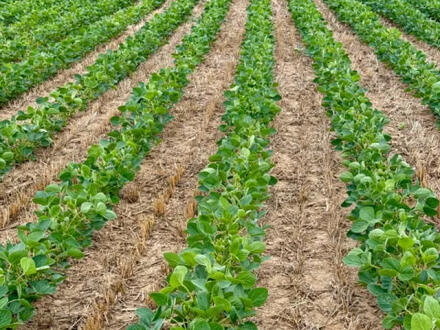
Nebraska crop science scholarships can make a real dent in college costs for students who want to study agronomy, plant science, soil science, crop production, or ag business. And in a state where agriculture matters every day, that funding is not a niche opportunity. The USDA Census of Agriculture counted 44.8 million acres of farmland in Nebraska, which helps explain why schools, associations, cooperatives, and local donors keep investing in future ag talent.
For high school seniors, first-year students, transfer students, and current undergrads, the challenge usually is not finding only one scholarship. It is finding the right mix of scholarships and applying early enough to stack them. A student who wins three awards worth $1,500 each cuts $4,500 off the bill. That can cover books, lab fees, a meal plan, or a big piece of tuition.
This guide breaks down 10 scholarship paths worth checking for Nebraska students. It focuses on Nebraska Crop Science Scholarships for High School Students, Nebraska Crop Science Scholarships for College, and Nebraska Crop Science Scholarships for University study. Each section explains who the award fits, what details matter, and how students can improve their odds without turning the search into a second full-time job.
1. Nebraska Crop Science Association Scholarships For Future Agronomy Leaders
Nebraska Crop Science Association Scholarships are often one of the most direct fits for students who already know they want to work with crops. These awards usually favor applicants with a clear tie to agronomy, crop consulting, seed, fertilizer, soil testing, or farm management.
A strong applicant often brings 3 things to the table:
- Ag involvement, such as FFA, 4-H, crop judging, or supervised ag projects
- Academic readiness, often shown through science classes, GPA, and teacher support
- Career direction, like a goal to become an agronomist, precision ag specialist, or crop adviser
A useful way to think about these awards: they reward students who can connect classroom science to field results. A short essay that explains how nitrogen management affects both yield and water quality will usually land harder than a generic "I love agriculture" statement.
For students building a broader ag scholarship list, the Larry E. Sitzman award and Nebraska 4-H opportunities fit well beside association-based funding.
A concrete example helps. If a student spent 120 hours scouting soybean fields for weeds and learned to identify Palmer amaranth, that detail makes an application feel real. Nebraska Crop Science Association Scholarships tend to favor that kind of specific, field-based story over broad claims.
2. University Of Nebraska Scholarships For Crop Science And Agronomy Students
Students looking for Nebraska Crop Science Scholarships for University study should start with campus-level aid first. The University of Nebraska–Lincoln offers multiple scholarship channels through admissions, colleges, departments, and financial aid offices, so one student may qualify for 4 separate funding streams with a single enrollment plan.
For crop science and agronomy students, the best matches often sit inside:
- College of Agricultural Sciences and Natural Resources awards
- Department-level scholarships in agronomy or plant science
- Need-based aid through the financial aid office
- Competitive leadership and research scholarships
Students should not assume "university scholarship" means one huge award. In practice, many packages are layered. For example, a student might receive $2,000 in merit aid, $1,500 from a college scholarship, and a part-time work-study job that covers books and gas.
Nebraska Crop Science Scholarships for College students at large universities usually favor early applicants. Missing a priority date by even 7 days can knock a student out of the main review pool.
A practical tip: use one master document with GPA, ACT or SAT if submitted, ag activities, volunteer hours, and leadership roles. That cuts repeat form-filling by about 30 to 45 minutes per application, which matters when students are submitting 10 or more applications.
3. Nebraska Crop Science Scholarships For High School Students Planning Ahead
Nebraska Crop Science Scholarships for High School Students often reward planning more than perfection. Students do not need to wait until senior year to become competitive. A ninth grader who joins FFA, takes biology and ag classes, and logs volunteer hours is already building the file.
Planning ahead usually means focusing on 5 basics:
- Keep GPA as high as possible, ideally above 3.0
- Take science and math courses that support agronomy
- Join FFA, 4-H, or local ag programs
- Track hours, awards, and projects in one spreadsheet
- Ask mentors for letters at least 3 weeks before deadlines
Students who want Nebraska Crop Science Scholarships for High School Students should also look beyond crop-only labels. Some Nebraska awards support broader agriculture, rural leadership, or science achievement. Examples include the Sowers Club scholarship, which lists a $1,000 award, and Nebraska Academy of Sciences awards for students with strong science records.
Another smart option is dual-credit support. The Access College Early program can help eligible students lower future college costs before they even arrive on campus.
A concrete example: a student who completes a corn population trial on 3 test strips and presents results at an FFA event already has a sharp essay topic. That beats vague claims every time.
4. Nebraska Crop Science Scholarships For First-Year Students Entering College
Nebraska Crop Science Scholarships for first-year students often sit in a sweet spot. Colleges want to attract new students, donors like supporting fresh starts, and departments use first-year awards to keep promising ag majors on campus.
That means incoming freshmen should apply in layers instead of chasing only one big prize. A first-year student can often combine:
- An admissions scholarship
- A college of agriculture award
- A departmental scholarship
- A local community foundation scholarship
- One industry-sponsored award
A realistic first-year target is 8 to 12 applications. That sounds like a lot, but many use the same transcript, activity list, and one 500- to 650-word essay with small edits.
Students who are comparing colleges should also look at smaller Nebraska campuses with agriculture pathways. The Nebraska College of Technical Agriculture is one example where hands-on ag training can line up well with crop science interests, especially for students who prefer lab, field, and internship work over giant lecture halls.
Another thing first-year students miss: housing and fee costs. A $3,000 scholarship may not wipe out tuition, but it can cover textbooks, laptop upgrades, and lab supplies. That still changes the semester. Nebraska Crop Science Scholarships for first-year students matter most when they reduce the out-of-pocket bill early, before loans start piling up.
5. Community College Pathway Scholarships For Nebraska Agriculture Students
Community college can be a smart launch point for crop science. Tuition is often lower, class sizes are smaller, and students can complete general education courses before moving into an agronomy or plant science program. For some Nebraska families, starting at a two-year school cuts costs by $6,000 to $12,000 compared with jumping straight into a four-year residential plan.
Scholarship options along this path usually include:
- Community college foundation awards
- State workforce or career-focused aid
- Agriculture-specific scholarships for technical study
- Local county and cooperative scholarships
The Nebraska Career Scholarships page is relevant here because career-focused aid can support programs tied to Nebraska workforce needs. Some students also use local support from groups connected to the Nebraska Community Foundation, especially when hometown donors want graduates to return to rural communities.
A strong community college applicant should explain the pathway clearly. For example: complete 30 to 60 credits, keep a 3.25 GPA, then transfer into a four-year agronomy program. That plan tells reviewers the student is not drifting.
Nebraska Crop Science Scholarships for College students do not always require a straight four-year route. In fact, a community college start can make later transfer applications stronger because students already have college grades, lab experience, and sometimes employer references from ag internships.
6. Nebraska Crop Science Scholarships For College Transfer Students
Transfer students are easy to overlook, which is exactly why they should search hard. Nebraska Crop Science Scholarships for College transfer students often get fewer applicants than freshman awards, especially when the scholarship requires a declared major and a clean transfer plan.
A transfer student usually becomes more competitive with 4 pieces of proof:
- A college GPA of 3.0 or higher
- Completed science or ag coursework
- A clear destination major, such as agronomy or soil science
- Evidence of work, internships, or leadership
This matters because transfer students can tell a sharper story. A student who started at a community college, earned 42 credits, worked weekends at a grain facility, and wants to move into precision agronomy sounds focused.
Some broader scholarships still fit transfer students even if they are not labeled "crop science." The Buffett scholarships may help Nebraska students with financial need, and Kids' Chance of Nebraska can matter for families facing specific hardship.
Students transferring into a university should also compare credit acceptance rules before they commit. Losing even 6 credits can mean one extra semester, which can cost far more than the value of a small scholarship. Nebraska Crop Science Scholarships for University transfer students are most useful when paired with a transfer plan that saves both money and time.
7. Departmental Awards For Plant Science, Agronomy, And Soil Science Majors
Departmental scholarships are some of the best-targeted awards on the list. Once a student is in a plant science, agronomy, or soil science major, the applicant pool gets smaller and the match gets tighter. That boosts the odds.
These awards often look at more than GPA. Departments may weigh:
- Major-specific courses completed
- Interest in crop production or research
- Faculty recommendations
- Lab, greenhouse, or field experience
- Student club involvement
A good example is the student who spent 18 weeks assisting with soil sampling, tissue testing, or variety trials. That student can show direct fit in a way a general scholarship applicant cannot.
Departmental awards also matter because some renew automatically if the student keeps a required GPA, such as 3.0 or 3.25. A renewable $2,500 award over four years becomes $10,000, which is far more meaningful than one flashy one-time check.
For students building a bigger list, even crop-adjacent programs can inspire strong applications. The FEAE undergraduate awards are a useful example of how environmental and agricultural interests often overlap in scholarship review.
What To Look For In Department-Specific Eligibility Rules
Department rules can get oddly specific, so students need to read every line. One scholarship may require a declared agronomy major. Another may accept plant science, soil science, and crop production. A third may require 12 completed credit hours in the department before a student can even apply.
Students should scan for these details first:
- Minimum GPA, often 2.5, 3.0, or 3.25
- Class standing, such as sophomore or junior only
- Major restrictions
- Credit-hour minimums
- Internship or research expectations
- Nebraska residency rules
A common mistake is skipping a scholarship because the title sounds too narrow. If the rules say "students pursuing careers that support crop production," a seed sales, agronomy tech, or soil fertility student may still fit.
Another mistake is sending a generic essay. If the award mentions conservation, students should mention something concrete like reducing overlap with precision application maps across 160 acres. That tiny detail shows they actually understand the field.
In short, the fine print decides a lot. Reading an eligibility page for 8 minutes can save a student from wasting an hour on the wrong application.
8. Cooperative, Ag Retail, And Industry-Sponsored Scholarships In Nebraska
Some of the most practical Nebraska crop science scholarships come from the businesses students may work with after graduation. Co-ops, ag retailers, seed companies, fertilizer dealers, and commodity groups often fund scholarships because they need future agronomists, account managers, and crop advisers.
These scholarships usually reward students who can show both classroom ability and industry interest. Reviewers often like applicants who have:
- Summer work at an elevator, coop, or farm
- Precision ag or scouting experience
- Communication skills for customer-facing roles
- Plans to work in Nebraska after graduation
A concrete example works well here. A student who scouted 400 acres for disease pressure and wrote weekly notes for a crop adviser can talk like someone already inside the industry.
This category also includes broad ag scholarships that can support future crop science students. The Oxbow senior scholarship is one example of Nebraska-based support tied to agriculture and student development.
Industry-sponsored awards may be smaller, often $500 to $2,500, but they can open doors beyond money. A scholarship tied to a coop can lead to a summer internship, a mentor, or a first interview. That makes these awards especially valuable for students who want Nebraska Crop Science Scholarships for College and a direct line into ag work.
9. Merit And Need-Based Nebraska Crop Science Scholarships For University Students
Nebraska Crop Science Scholarships for University students usually fall into two buckets: merit-based and need-based. Smart applicants go after both.
Merit awards often look at GPA, leadership, test scores if used, and academic record in science-heavy classes. Need-based awards usually depend on FAFSA data, family income, and the school's aid formulas. Many students qualify for a mix.
Here is a simple comparison:
| Scholarship type | Common focus | Example trigger |
|---|---|---|
| Merit-based | Grades, leadership, major fit | 3.7 GPA and FFA officer role |
| Need-based | Financial need | FAFSA shows a significant funding gap |
| Hybrid | Both academic strength and need | 3.3 GPA plus unmet cost after grants |
Students should also widen the search beyond crop science titles alone. Awards such as Urban League of Nebraska scholarships can fit some students depending on eligibility, and schools like Peru State College may offer additional university-based aid for Nebraska residents pursuing science or agriculture-related goals.
One practical target is to close the "gap" number. If tuition, housing, and fees total $18,400 and grants cover $9,000, the student still needs $9,400. That number helps shape the scholarship plan better than guessing.
How To Combine Scholarships With FAFSA, Grants, And Work-Study
The best scholarship strategy is stacking, not hoping for one miracle award. Students should build an aid package from several parts:
- FAFSA-based aid
- Federal or state grants
- University scholarships
- Departmental scholarships
- Private scholarships
- Work-study or campus jobs
A simple example makes this clear. Imagine a student with a $20,000 annual cost of attendance. They receive $7,395 in Pell-type grant aid, $3,000 in university scholarships, $2,500 in private scholarships, and $2,800 from work-study earnings. That cuts the remaining bill to $4,305.
Students should file the FAFSA early and keep track of school-specific forms through resources such as the Nebraska coordinating commission. Missing one form can cost more than a weak essay.
Another key point: some colleges reduce institutional aid when outside scholarships come in, while others first reduce loans or work-study. Students need to ask that question directly. A 10-minute call to financial aid can prevent a bad surprise.
Nebraska Crop Science Scholarships for College work best when they fit into the full aid picture, not when students treat each award as a separate island.
10. National Agriculture Scholarships Nebraska Students Should Not Ignore
Nebraska students should not stop at in-state searches. National agriculture scholarships can be a strong fit for crop science majors, especially students with clear goals in agronomy, sustainability, precision ag, seed science, or soil health.
National awards usually ask for stronger materials, but the upside can be much bigger. Some offer:
- $1,000 to $5,000 one-time awards
- Renewable funding over multiple semesters
- Internship pipelines
- National recognition on a resume
Students can improve their odds by using Nebraska experience as a strength. A student who understands dryland production, irrigation, hail risk, or herbicide resistance in real farm settings has a story that stands out nationally.
It also helps to apply to related awards outside Nebraska. The Illinois crop sciences award shows how neighboring states and regional organizations often support the same academic interests.
A concrete application strategy is simple: submit 5 Nebraska scholarships, 3 university awards, and 4 national agriculture scholarships. That gives a student 12 chances instead of two or three. Nebraska Crop Science Scholarships are the core, but national agriculture funding can be the extra piece that closes the final gap.
Nebraska Crop Science Scholarships - Frequently Asked Questions
What types of Nebraska crop science scholarships are available for high school students?
High school students can apply for Nebraska Crop Science Scholarships that reward involvement in FFA, 4-H, science coursework, and agronomy projects. Examples include the Sowers Club Scholarship and Nebraska 4-H Foundation Scholarships, which support early planning and agricultural achievements.
How can first-year college students in Nebraska maximize their crop science scholarship opportunities?
First-year students should apply widely to layered scholarships such as admissions awards, college-specific aid, departmental scholarships, and community foundation funds. Targeting 8 to 12 applications using a master document streamlines the process and increases chances of stacking awards.
What are key eligibility factors for Nebraska Crop Science Association Scholarships?
These scholarships favor students involved in agronomy-related activities like crop scouting, soil testing, or fertilizer management, with strong academic performance in science and a clear career goal in crop consulting or precision agriculture.
Can Nebraska crop science students transfer from community colleges and still receive scholarships?
Yes, transfer students with a GPA of 3.0 or higher, completed relevant coursework, and clear agronomy or soil science majors can qualify for scholarships. Community college pathways often include foundation and career-focused awards to reduce costs before transferring.
How do Nebraska university scholarships support crop science majors?
Universities like the University of Nebraska–Lincoln offer layered scholarships through colleges, departments, and financial aid offices. Merit-based, need-based, and leadership scholarships help reduce tuition and expenses, especially when applicants meet early deadlines and provide strong academic and activity records.
Are there national agricultural scholarships that Nebraska crop science students should consider?
Yes, Nebraska students can boost their funding by applying to national agriculture scholarships, which may offer substantial awards and internships. Programs like the Illinois Crop Sciences Scholarship provide opportunities beyond state funding, leveraging the student's Nebraska ag experience for a competitive edge.




