

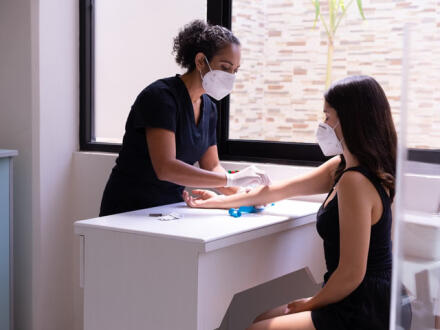
Paying for college before formal nursing admission can feel backward. Students often need money before they reach the upper-division nursing program, not after. That is exactly why this list of Montana Pre-Nursing Scholarships matters.
Pre-nursing students usually spend 1 to 2 years finishing biology, chemistry, anatomy, writing, and general education courses before they can apply to a nursing program. During that stretch, costs add up fast. Tuition, fees, books, scrubs for early clinical exposure, gas for commuting, and exam prep can easily push a student's yearly bill into the thousands.
This guide focuses on 10 scholarship paths that can help Montana students fund that early stage. It includes options for high school seniors, first-year college students, students in four-year universities, rural and tribal learners, and future nurses looking for hospital or association support. Some awards are strictly nursing-focused. Others support healthcare, STEM, leadership, service, or local community goals that fit a pre-nursing profile very well.
The goal is simple: give future nurses a practical shortlist. Instead of scrolling through hundreds of awards, they can start with programs that make sense for Montana Pre-Nursing Scholarships for High School Students, college applicants, and university students building a path into nursing.
1. Montana University System Scholarships For Pre-Nursing Students
Students planning to stay in-state should start here. The Montana University System connects students with broad scholarship programs that can support pre-nursing coursework before formal nursing admission.
One strong example is the MUS Honor Scholarship, a renewable award often tied to academic performance. Renewable aid matters because a pre-nursing student may need support across 2 full academic years before entering a nursing cohort. A $1,000 annual gap over 2 years becomes $2,000 out of pocket very quickly.
Students comparing campuses can also review the aid process through MUS Honor options and campus financial aid offices such as MSU financial aid. Those pages help students match eligibility rules, deadlines, and stacking policies.
Why this category works well for pre-nursing students:
- It applies early, often before nursing school admission
- It can be renewable, which helps cover prerequisite years
- It usually rewards GPA, leadership, or broad merit factors
A student with a 3.70 GPA, solid attendance, and campus involvement may be more competitive here than in a later nursing-only scholarship pool.
For students building a smart application plan, this group should be first. It covers the widest range of Montana residents and often sets the base layer of aid that other scholarships can stack on top of.
2. Montana Pre-Nursing Scholarships For High School Students Starting Early
The best time to apply for nursing money is often before college starts. High school seniors interested in healthcare can qualify for scholarships based on grades, leadership, 4-H work, volunteering, and community service even if they have not yet been admitted to a nursing program.
This is where Montana Pre-Nursing Scholarships for High School Students can make a real dent. A student who wins two local awards worth $1,500 each cuts $3,000 from first-year costs. That may cover books, lab fees, and a big share of tuition at a community college.
Montana students with service records should look at programs like 4-H scholarship awards. Students with strong academics and leadership can also compare campus-level merit awards, including leadership scholarships.
Good early-fit traits include:
- A GPA of 3.00 or higher
- Volunteer hours in healthcare or community service
- A clear plan to study nursing, health science, or pre-medical coursework
- Leadership in FFA, HOSA, student government, or sports
A high school student who spent 87 hours volunteering at a long-term care center has a concrete story to tell. That kind of detail stands out more than saying they simply "want to help people."
Starting early also gives students more shots on goal. Ten applications at senior-year level can produce better results than waiting for just 2 nursing-specific awards later.
3. Community Foundation Scholarships With Nursing Or Healthcare Preference
Community foundations are underrated. They often manage dozens of local donor funds, and many include preferences for healthcare, rural service, women in leadership, first-generation students, or county residents.
The big advantage is fit. A student from Miles City, Havre, or Kalispell may be competing in a smaller local pool instead of a national pool with 5,000 applicants. If a county-based scholarship receives 42 applications and awards 4 students, the odds are far better than a huge national contest.
Montana students should scan community scholarship listings and compare them with the broader opportunities offered through the Montana Community Foundation. Many foundation awards have donor preferences that line up well with pre-nursing goals.
What to look for in these scholarships:
- Healthcare, nursing, or STEM preference
- County, town, or high school residency rules
- Need-based language
- Service or leadership requirements
A student from a ranching community who plans to return as a rural nurse often fits these awards especially well. Donors like specific stories. Saying a student drove 46 miles each way to shadow at a critical access hospital is more persuasive than a generic career statement.
For many families, community foundation scholarships are the bridge between a financial aid offer and the actual bill due at registration.
4. Montana Pre-Nursing Scholarships For First-Year Students Entering College
First-year students sit in a sweet spot. They are far enough along to show a real college plan, but they have not yet missed the early funding window. That makes Montana Pre-Nursing Scholarships for first-year students especially valuable.
These awards often go to incoming freshmen who declare an interest in health sciences, human biology, or nursing-track coursework. Colleges like Rocky Mountain College and other Montana campuses may package institutional grants and merit aid with outside scholarships, which can lower net cost in the first semester.
Some outside awards are built for this moment too. Need-sensitive funds such as Treacy Foundation support can help students who are just entering college and trying to close a funding gap.
First-year applicants should highlight:
- Accepted college status
- Declared pre-nursing or healthcare intent
- First-semester course plan, such as anatomy, chemistry, and composition
- A realistic budget gap, like $2,380 for tuition and books after grants
That last point matters. Scholarship committees respond well when students show exact need. "There is a $2,380 gap after Pell, state aid, and savings" is concrete. It sounds real because it is real.
This category is one of the strongest for students who planned ahead during senior year but need one more funding layer before classes begin.
5. Montana Pre-Nursing Scholarships For College Students Meeting GPA And Need-Based Criteria
Once students are in college, the rules change a bit. Committees can now review actual college grades, completed credits, and financial need with more confidence. That makes this one of the best categories for Montana Pre-Nursing Scholarships for College students.
A pre-nursing student who completes 28 credits with a 3.45 GPA has stronger proof than a student applying only with high school transcripts. Add documented need, and that application becomes much more compelling.
Students should watch for awards tied to healthcare or upward mobility, including healthcare scholarship programs and funds like career mobility awards. These can be especially useful for adult learners, transfer students, and students returning after work or family responsibilities.
Strong selection factors often include:
- College GPA of 3.00 or better
- Demonstrated financial need
- Progress in science prerequisites
- Clear plans for nursing admission
A student earning a B in anatomy, an A in psychology, and a B+ in microbiology shows the committee they can handle demanding healthcare courses.
This category also rewards persistence. A student who worked 18 hours per week while carrying 14 credits tells a very different story from a generic applicant essay. Real numbers help committees picture the effort behind the transcript.
6. Montana Pre-Nursing Scholarships For University Students In Four-Year Programs
Students at four-year campuses often have access to a wider mix of departmental, institutional, and donor-funded aid. That makes Montana Pre-Nursing Scholarships for University students worth separate attention.
Universities may offer scholarships tied to honors work, leadership, retention, or academic colleges that include health-related pathways. A university student taking 15 credits per semester can also have higher living costs than a commuter student at a two-year campus, so stacking aid matters even more.
For example, students comparing aid systems can review campus policies through UM student aid while also using broad Montana-based awards such as STEM healthcare funding. A $2,000 outside scholarship may cover one semester of housing fees, meal plan costs, or science lab charges that grants do not fully absorb.
University students should focus on:
- Institutional scholarships with renewal rules
- College GPA and credit completion requirements
- Scholarships open before nursing program acceptance
- Residency or service commitments linked to Montana healthcare needs
A student at a four-year campus who joins a health professions club, logs 32 volunteer hours at a clinic, and keeps a 3.60 GPA has a strong case for both merit and service-based aid.
This group is ideal for students who want a traditional university route but need help paying for the pre-clinical years first.
7. Hospital-Sponsored Scholarships For Future Nurses In Montana
Hospitals do not always wait until nursing school graduation to invest in future staff. Some healthcare employers support students earlier, especially in areas with persistent workforce shortages.
This route is practical. A hospital scholarship may offer money now in exchange for a work commitment later, or it may support local students who plan to enter nursing and stay in the region. That is a smart deal in places where replacing one bedside RN can cost a health system tens of thousands of dollars in recruiting and onboarding.
Pre-nursing students should ask local hospitals about:
- Tuition assistance for future nurses
- Scholarships linked to CNA or patient care work
- Service agreements after graduation
- Awards for rural practice commitments
A student working weekend shifts as a unit clerk or CNA already has an advantage. They can speak from experience about 12-hour shifts, discharge bottlenecks, or the pace of a med-surg floor at 6:45 a.m. That specificity lands.
Even when a hospital does not advertise a formal scholarship, its foundation may. Students should call the HR office, nursing education office, and foundation office separately. Three phone calls can uncover options that never show up in a search result.
For future nurses who want job security and local ties, hospital-backed money can be one of the most practical scholarship paths in Montana.
8. Montana Pre-Nursing Association Scholarships And Professional Network Awards
Professional groups can be small, but that is exactly why they matter. Fewer applicants, clearer mission, and stronger interest in future nurses often make association awards worth the effort.
This is the lane for Montana Pre-Nursing Association Scholarships and similar professional network awards. A nursing or healthcare association may offer scholarships, conference support, mentoring stipends, or student recognition awards. Even a modest $500 award can cover exam fees, books, and a month of fuel for commuting.
Students who do not find a formal pre-nursing association award should still look at adjacent groups. Leadership and service awards such as women's leadership aid or state-based community awards can fit a future nurse with strong involvement.
Why these awards are useful:
- They reward commitment to the profession
- They value service and networking
- They may open mentorship doors, not just funding
A student who attends one professional event, joins a student health club, and speaks with two practicing nurses has better material for scholarship essays than a student who only writes about "wanting to care for others."
And there is a second payoff. Networking can lead to shadowing, recommendation letters, and later job leads. Sometimes the contact list matters almost as much as the check.
9. Tribal, Rural, And Community Service Scholarships For Montana Nursing Pathways
Montana has large rural areas, tribal communities, and healthcare access gaps. Scholarships built around service, community ties, and local workforce needs fit pre-nursing students extremely well.
Rural hospitals, tribal colleges, and local organizations often want students who will come back and serve their communities. That makes place-based identity a real strength. A student from a town of 1,200 who plans to return as a nurse is not a niche applicant here. They are exactly the point.
Students should also review local educational pathways through schools such as Fort Peck Community College because tribal and community-based institutions often connect students with regional funding, advising, and transfer support.
Other Montana awards with community roots, such as Elks vocational funding, may also fit students taking a healthcare path through certificate or transfer-friendly routes.
Eligibility Details To Review Before You Apply
Before applying, students should verify these details line by line:
- Tribal enrollment or descendant eligibility
- Residence in a specific county, reservation, or rural area
- Service requirement after graduation
- Program type, such as certificate, associate, or bachelor's track
- Minimum GPA, often 2.50 to 3.00
A student at Aaniiih Nakoda College or another tribal college may find both direct scholarship options and strong transfer support into nursing prerequisites.
This category rewards students who can connect personal history to community healthcare need with real detail, not broad statements.
10. National Nursing Scholarships Montana Students Can Use Before Formal Nursing Admission
Not every useful award has "Montana" in the name. National scholarships can help pre-nursing students cover early coursework as long as the rules do not require formal admission to a nursing program.
This matters because national awards often have larger funding pools. If one program offers 20 awards of $2,500 each, that is $50,000 in total aid. For students who write strong essays and meet GPA rules, it is worth the extra competition.
The best national-fit categories for Montana students include:
- Healthcare workforce scholarships
- Women in STEM awards
- First-generation college scholarships
- Rural service and community leadership awards
- Need-based undergraduate scholarships
Students should read the eligibility line slowly. Some awards say "nursing majors welcome," while others say "accepted to a nursing program required." That one sentence can save hours.
Application Tips To Improve Your Chances
Strong applications usually share 4 traits:
- Specific numbers. A student should write "I completed 64 volunteer hours at a rehab unit," not "I volunteered a lot."
- Clear budget language. "My remaining gap is $1,860 after grants and savings" feels real and easy to evaluate.
- Montana context. Mentioning a 72-mile commute, a local clinic shortage, or a tribal community goal gives the essay weight.
- Early submission. Applying 14 days before a deadline is better than applying 14 minutes before it.
National scholarships are competitive, yes. But many Montana students undersell themselves. A sharp essay and precise story can travel well far beyond state lines.
Montana Pre-Nursing Scholarships - Frequently Asked Questions
What are Montana Pre-Nursing Scholarships and who can apply?
Montana Pre-Nursing Scholarships help students fund prerequisite courses before formal nursing admission, supporting high school seniors, college freshmen, university students, rural and tribal learners in Montana pursuing nursing or related health studies.
How can high school students in Montana qualify for pre-nursing scholarships?
High school seniors with a GPA of 3.00+, volunteer experience in healthcare or community service, and leadership roles in groups like 4-H or HOSA can apply for Montana pre-nursing scholarships designed for early applicants.
Are there scholarship options specifically for first-year college students aiming for nursing?
Yes, first-year students declaring pre-nursing or health science intent can access scholarships from colleges like Rocky Mountain College and external awards such as the Treacy Foundation Scholarship, which help close funding gaps before nursing program admission.
What scholarships support Montana students in rural or tribal communities pursuing nursing?
Scholarships targeting tribal, rural, and community service focus on students committed to serving local healthcare needs, often requiring tribal enrollment or residence. Examples include support via Fort Peck Community College and tribal college funding pathways.
Can students in Montana's four-year universities access special pre-nursing scholarships?
Yes, four-year university students can apply for scholarships linked to honors, leadership, and health-related colleges. Aid stacking is common, with options such as Montana's STEM/Healthcare Scholarship Program helping with costs beyond tuition.
Do hospitals in Montana offer scholarships for pre-nursing students?
Some Montana hospitals provide scholarships or tuition assistance to pre-nursing students in exchange for future work commitments, especially in rural areas facing nurse shortages. Students should inquire directly with hospital HR or foundations for opportunities.






