

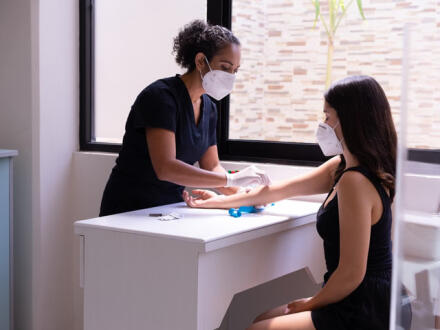
Practical nursing school can feel expensive fast. Tuition, uniforms, background checks, books, testing fees, and transportation can turn a short program into a big financial problem.
That's why Rhode Island Practical Nursing Scholarships matter so much. A student who stacks even 3 small awards of $1,000 each can cut a major chunk from the bill before classes really get going. For many future LPNs, that can mean the difference between starting now and waiting another semester.
This guide walks through 11 real funding paths Rhode Island students should look at. It covers scholarships for high school students, first-year students, current college students, adult learners, and people switching careers. It also explains employer tuition help, community foundation awards, and state aid that can lower out-of-pocket costs.
The focus is practical. Each section shows who the funding fits, where to look, what to ask, and how to improve the odds of getting money. The article also points out concrete costs. For example, many nursing students spend hundreds before class starts on scrubs, shoes, immunizations, CPR certification, and exam prep alone.
For students who want a simple search tool, Studentscholarships.org can help narrow options quickly. The goal here is straightforward: help Rhode Island students find money for nursing school without wasting hours on dead-end applications.
1. School-Based Practical Nursing Scholarships At Rhode Island Career And Technical Programs
School-based aid is often the first place students should look. These awards may come from a practical nursing program, a career center, or a partner foundation tied to the school.
At schools such as Community College of Rhode Island, students can ask financial aid staff about department awards, emergency grants, and tuition payment plans. Even when a school does not advertise a separate LPN scholarship, it may still have nursing-specific funds, book stipends, or hardship aid for health students.
A good starting checklist includes:
- Program-specific scholarships for nursing or allied health
- Foundation awards run by the college
- Need-based emergency funds for transportation, childcare, or supplies
- Payment plans that break a $6,000 bill into monthly amounts
A practical example helps. If a student receives a $1,500 school award and spreads the remaining $4,500 over 9 monthly payments, the bill drops to $500 per month before other aid is applied.
Students should ask 4 direct questions:
- Does the practical nursing program have its own scholarship pool?
- Are there funds for scrubs, clinical tools, or exam fees?
- Does the school offer aid for part-time students?
- When is the priority deadline?
The biggest mistake is waiting until after acceptance. Some campus awards run out early, and a program may have only 10 to 25 small scholarships available in a cycle. Early contact matters.
2. Rhode Island Practical Nursing Scholarships For High School Students Exploring Early Nursing Pathways
Rhode Island Practical Nursing Scholarships for High School Students are worth chasing early, especially for juniors and seniors in health tracks, CTE programs, or dual-enrollment classes. These students usually have fewer expenses now, which makes even a modest award easier to save for later tuition.
Some awards are not labeled "LPN only," but they still fit future practical nurses. Community scholarships, regional media scholarships, and youth leadership awards can all help if the student clearly explains a nursing goal. A local option to watch is the Rhode Island PBS scholarship page, which can fit students building a college funding mix.
High school students should focus on 3 assets:
- Attendance and GPA
- Health care exposure, such as volunteering or CNA coursework
- Clear career plans in essays
A student who volunteered 48 hours at a senior center and completed a CPR card already has a stronger nursing story than someone writing only, "I want to help people." Specific beats general every time.
Students active in youth programs should also look at the 4-H scholarship listing. It is not nursing-only, but strong community service and leadership can make it useful for future LPNs.
Another strong move is asking the school counselor for a local scholarship packet. Many towns have awards in the $500 to $2,500 range that draw far fewer applicants than large national programs.
3. Rhode Island Practical Nursing Scholarships For First-Year Students Starting Their LPN Education
Rhode Island Practical Nursing Scholarships for first-year students are especially important because the first term is when startup costs hit hardest. A new student may need tuition deposits, textbooks, white shoes, liability coverage, and health clearance before the first clinical day.
A realistic first-term extra-cost estimate can look like this:
- Scrubs and shoes: $140
- Background check and drug screen: $110
- Physical, titers, or vaccines: $200 to $600
- Books and digital materials: $500 to $900
- NCLEX-PN prep items: $60 to $200
That is why first-year students should search by status, not just by major. Many scholarships target students entering college for the first time or beginning a health program in the next term.
Studentscholarships.org includes listings such as the Nursing Education Scholarship Program, which can be relevant for students starting formal nursing study. First-year students should also look beyond Rhode Island if a scholarship accepts residents attending approved nursing programs.
The strongest applications usually include:
- A short essay with a clear nursing goal
- Proof of admission or program intent
- One academic reference and one work or service reference
- A clean list of deadlines in one spreadsheet
Even winning 2 awards worth $1,250 each can cover a big share of first-term extras. That reduces the need to put startup costs on a credit card with double-digit interest.
4. Rhode Island Practical Nursing Scholarships For College Students Already Enrolled In Health Programs
Rhode Island Practical Nursing Scholarships for College students often reward progress. If a student is already taking anatomy, medical terminology, or CNA-related coursework, that record can help a lot.
This group should search for scholarships tied to current enrollment, academic standing, and clinical direction. A student with a 3.2 GPA, 12 completed credits, and one instructor recommendation usually has a stronger file than a brand-new applicant with no college transcript.
A practical tactic is to apply in layers:
- Campus nursing and allied health awards
- General college foundation scholarships
- Local civic or hospital-related awards
- Outside nursing scholarships
Students who need broad Rhode Island options can look through the Rhode Island nursing scholarships listing. They can also use school transfer or admissions networks for wider college aid, including pages such as RIAAO scholarships when eligibility lines up.
One concrete example: a student taking 9 credits while working 24 hours per week as a nursing assistant can write a strong essay about balancing study, patient care, and financial need. That lived experience often stands out more than generic ambition.
College students should also save every receipt. Some scholarships and emergency aid offices may ask for proof of costs, and a $73 lab kit receipt can matter when funding decisions are close.
5. Rhode Island Practical Nursing Scholarships For University Students Transitioning Into Nursing Tracks
Rhode Island Practical Nursing Scholarships for University students are useful for people making a turn. Some start in biology, psychology, or public health and later decide they want direct patient care through practical nursing or another nursing path.
University students should speak with both the nursing department and the central aid office. At Rhode Island College, for example, students can review academic and program requirements while asking whether a change in major affects aid timing, transfer credits, or scholarship eligibility.
This group should pay attention to 3 pressure points:
- Lost credits that do not apply to the new track
- Extra semesters that raise total cost
- Clinical schedule changes that reduce work hours
A student who changes direction after earning 30 credits may find that only 18 to 24 credits fit the new plan cleanly. That gap can add tuition and delay completion, so scholarships become even more valuable.
Good essay angles for transition students include:
- A specific patient-care moment that changed career goals
- Skills from a prior major, such as psychology or communication
- A practical employment goal, such as long-term care or rehab nursing
University students should also ask about scholarships open to second-degree, transfer, or nontraditional students. Those categories often get fewer applicants than first-time freshman awards.
6. Rhode Island Practical Nursing Association Scholarships And Other Professional Nursing Awards
Rhode Island Practical Nursing Association Scholarships and other professional nursing awards can be some of the most relevant options on this list. Why? Because these groups already care about nursing workforce needs, licensure pipelines, and patient care in the state.
Professional awards may come from nursing associations, specialty groups, or workforce-focused health foundations. Students should look for awards that mention LPN, practical nursing, nursing education, workforce shortage areas, or service commitments.
A national example worth reviewing is the Nurse Corps scholarship page. Programs like that can be powerful because they may cover large costs in exchange for service in approved shortage areas after graduation.
The appeal is simple:
- Awards are often closely matched to nursing goals
- Reviewers understand clinical training costs
- Essays can focus on real workforce needs, not abstract plans
The U.S. Bureau of Labor Statistics reports median pay for licensed practical and licensed vocational nurses at $59,730. That number matters because professional groups know nursing can offer a stable return on training, especially when students reduce borrowing up front.
Students should join mailing lists, attend local nursing events, and ask instructors which organizations fund trainees. One email to a program director can uncover 2 or 3 small awards that never show up in a basic web search.
7. Community Foundation Scholarships For Rhode Island Nursing And Allied Health Students
Community foundations are often overlooked, but they can be excellent for nursing students. These groups manage donor funds with very specific rules, and that creates smaller applicant pools.
A key Rhode Island source is the Rhode Island Foundation, which supports a wide range of scholarship programs. Students pursuing nursing and allied health paths should read eligibility lines carefully because donor funds may focus on residency, financial need, town of origin, academic interest, or first-generation status.
This is where detailed matching helps. A student from one county, with a 3.0 GPA, documented need, and a clear healthcare goal may fit a donor fund better than a student with higher grades but weaker alignment.
Students can also widen the net with listings such as the Barbara Rhomberg nursing scholarship, especially if they are nontraditional or balancing adult responsibilities.
Community foundation scholarships often work well for students who have:
- Strong local roots
- Service hours in community health settings
- A compelling financial story
- Clear post-school employment goals
One example: a student caring for an aging grandparent while working 20 hours weekly at a pharmacy has a concrete, local, and human story. That kind of application tends to feel real, not canned.
The catch is paperwork. Foundations may ask for tax forms, transcripts, and multiple essays, so students should build a folder early.
8. Hospital, Long-Term Care, And Employer-Sponsored Tuition Assistance For Practical Nursing Students
Employer help can be one of the smartest ways to pay for nursing school. Hospitals, rehab centers, skilled nursing facilities, and large home-care employers sometimes offer tuition reimbursement, sign-on training support, or earn-while-you-learn pathways.
This option works especially well for CNAs, medical assistants, and support staff already in patient-care settings. A facility facing staffing shortages may pay part of tuition if the employee agrees to stay for a set period, often 6 to 24 months after licensure.
Students should ask HR these direct questions:
- How much tuition help is available per term?
- Is the benefit paid up front or after grades post?
- Is there a work commitment after graduation?
- Are books, fees, or exam costs included?
A concrete example: if an employer reimburses $3,000 per year and a student's total program cost is $9,000, one-third of tuition is covered before outside scholarships are added.
Long-term care employers can be especially relevant because LPNs are central in medication administration, resident monitoring, and care coordination. Students already working weekends in elder care should not assume their workplace has no education benefit. Many do, but the policy sits in an employee handbook that few people read.
This route also pairs well with scholarships. A student can combine reimbursement with outside awards to lower cash strain month by month.
9. State Grants And Need-Based Aid That Can Reduce LPN Program Costs In Rhode Island
State grants and need-based aid are the backbone of many funding plans. Students who skip the FAFSA can miss the largest pool of aid available to them.
For Rhode Island practical nursing students, the basic sequence is simple: file the FAFSA, confirm school financial aid requirements, and respond fast if the college asks for verification. A delay of even 2 weeks can hold up an award package.
Need-based aid may include:
- Federal Pell Grant support for eligible students
- State grant aid where available
- Institutional need-based scholarships
- Work-study or campus employment
Students with broad financial need should also review opportunities like the Robert G. and Joyce Andrew College Scholarship Fund, which can complement formal state and school aid.
One useful number: a student commuting 18 miles each way, 4 days per week, travels 144 miles weekly. At $0.20 per mile in fuel and wear, that is about $28.80 each week, or more than $1,100 across a long academic stretch. Grants can help absorb real costs like that, not just tuition.
Students should read award letters carefully. Some aid is grant money. Some is loan money. They are not the same thing, and confusing them can lead to bigger debt than expected.
10. Workforce Development Grants For Adult Learners And Career Changers Pursuing Practical Nursing
Workforce grants are a strong fit for adult learners. They are especially useful for people who were laid off, want higher pay, or need a career with steady hiring demand.
This matters because practical nursing can offer a faster training path than many other healthcare roles. Some programs can be finished in about 12 months, which makes them attractive to adults who cannot spend 4 years out of the workforce.
Workforce funding may come through:
- State or regional workforce boards
- American Job Center partners
- Retraining grants for dislocated workers
- Public benefit or career mobility programs
A career changer earning $17 per hour in retail may look at the BLS median LPN pay of $59,730 and see a clear reason to move. The jump will not happen overnight, but the math is easy to understand.
These grants often require documentation, such as:
- Proof of income or unemployment status
- Residency records
- Program acceptance letter
- Career plan or advisor meeting notes
Adult learners should ask whether funding covers support services too. Bus passes, childcare help, laptops, and exam fees can matter just as much as tuition. A parent paying $85 per day for childcare during clinical rotations will feel that immediately.
This is one area where organized application tracking pays off. Missing one intake appointment can stall the whole process.
11. Private Scholarships For Practical Nursing Students Based On Merit, Need, Or Career Goals
Private scholarships fill the gaps left by school aid and grants. These awards can come from families, nonprofits, unions, local businesses, or healthcare supporters who want to back students with a clear plan.
Some focus on grades. Others care more about hardship, service, ethnicity, hometown, family background, or intended specialty. That variety is useful because not every future nurse has a perfect transcript.
A smart search strategy mixes:
- Nursing-specific awards
- General Rhode Island scholarships
- Adult learner scholarships
- Awards tied to service or leadership
Students can widen their list with pages such as the Rhode Island nursing scholarships page and the Barbara Rhomberg nursing scholarship if eligibility fits.
One useful method is a numbers game with quality control. If a student submits 12 strong applications and wins 2 awards of $1,500, that is $3,000 earned. If each application takes 90 minutes, the return can still beat many part-time jobs on an hourly basis.
The best private scholarship essays usually do 3 things:
- Name a specific nursing goal
- Show a real barrier, such as rent or family care
- Explain how the award changes the timeline
Private scholarships rarely cover everything. But stacked together, they can close the last gap that keeps a student from enrolling.
Frequently Asked Questions about Rhode Island Practical Nursing Scholarships
What types of scholarships are available for practical nursing students in Rhode Island?
Rhode Island offers several scholarship types, including school-based awards, scholarships for high school and first-year students, community foundation grants, employer tuition assistance, state need-based aid, and professional nursing association scholarships. Each targets different student needs and eligibility criteria.
How can high school students interested in practical nursing find scholarships in Rhode Island?
High school students should focus on scholarships for health pathway students, such as the Rhode Island PBS Scholarship or local awards. Volunteering, healthcare exposure, and a clear nursing career plan strengthen applications. Counselors can provide local scholarship packets to explore more options.
Are there scholarships specifically for adult learners or career changers pursuing practical nursing in Rhode Island?
Yes, workforce development grants target adult learners and career changers who want to enter practical nursing. These grants often require proof of income or unemployment and a career plan. They can also cover support services like childcare and transportation, easing the transition into nursing education.
What expenses do first-year practical nursing students in Rhode Island typically face, and can scholarships help cover them?
First-year students often face costs such as scrubs and shoes ($140), background checks ($110), vaccines ($200–600), books ($500–900), and exam prep ($60–200). Rhode Island scholarships like the Nursing Education Scholarship Program can help cover these startup expenses, reducing financial burdens early on.
Can practical nursing students in Rhode Island receive employer-sponsored tuition assistance?
Yes, many healthcare employers, including hospitals and long-term care facilities, offer tuition reimbursement or training support to practical nursing students. Such programs often require a work commitment after licensure and may cover tuition, books, and exam fees, helping students manage education costs.
How important is filing the FAFSA for Rhode Island practical nursing students seeking financial aid?
Filing the FAFSA is crucial as it unlocks access to federal Pell Grants, state aid, institutional need-based scholarships, and work-study programs. Delaying submission can postpone aid decisions, increasing out-of-pocket costs for tuition and other expenses such as transportation or childcare.







