

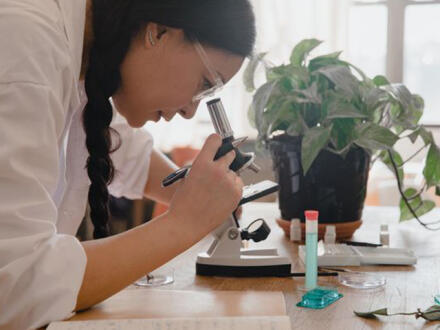
Students interested in botany, ecology, agriculture, forestry, and environmental science often assume funding is scarce in Alaska. That's not true. Alaska plant biology scholarships exist through universities, state aid programs, Native-serving organizations, employers, foundations, and professional associations.
That matters because college costs add up fast. The College Board reports average tuition and fees at public four-year schools can run into the thousands each year, and that's before lab supplies, field gear, housing, and travel for fieldwork are added. For students in Alaska, those extra costs can be very real when courses involve remote sites, summer research, or transportation between communities.
This guide breaks the search into 11 practical funding paths. It covers Alaska Plant Biology Scholarships for High School Students, options for first-year applicants, support for current college students, research grants, and association-based awards. It also points out where students can pair scholarships with grants and institutional aid.
The goal is simple: help students find real money for plant science studies without wasting hours on random searches. Some awards are broad and can support biology or environmental science majors. Others fit students focused on plant biology, forestry, conservation, or natural resource education. Used together, these options can reduce costs by hundreds or even several thousand dollars per year.
1. University Of Alaska Scholarships For Plant Biology And Related Life Science Majors
Students looking for Alaska Plant Biology Scholarships for University study should start with the University of Alaska system. Campuses such as UAF, UAA financial aid, and Alaska Pacific University regularly connect students with merit aid, need-based aid, department funding, and research support.
Plant biology students may not always find an award with the word botany in the title. But biology, life science, environmental science, and natural resource scholarships can still cover tuition and field expenses.
A smart campus-first search should include:
- Department scholarships in biology or environmental science
- Foundation awards tied to GPA, region, or financial need
- Research stipends for lab or field assistants
- Campus employment linked to herbariums, greenhouses, or field projects
For example, a student at a public Alaska campus might combine a $2,000 departmental scholarship, a $3,000 institutional grant, and paid summer field research. That stack matters more than waiting for one perfect award.
Students using broad scholarship databases can also sort for plant-related opportunities such as the Shasta chapter award and the Perfect Plants program. Even when those are not Alaska-specific, they fit students studying plant systems, horticulture, and conservation.
2. Alaska Plant Biology Scholarships For High School Students Planning STEM Degrees
High school juniors and seniors should not wait until graduation to search. The best Alaska Plant Biology Scholarships for High School Students often reward early planning, strong coursework, and steady grades.
In Alaska, one of the first places to look is the Alaska Performance Scholarships program. Students who complete the right classes in high school may qualify for state support after graduation. For a future plant biology major, that means biology, chemistry, algebra, and other college-prep classes matter right now.
Strong applicants usually build their profile with:
- STEM classes such as biology, chemistry, and environmental science
- Hands-on work in gardens, greenhouses, science fairs, or habitat projects
- Local service like invasive species cleanup or school composting efforts
- Clear goals tied to conservation, agriculture, or ecosystem research
A concrete example helps. A senior from the Mat-Su area who logs 120 volunteer hours in a school greenhouse, keeps a 3.7 GPA, and writes about restoring native plants stands out more than a student who submits a generic essay.
Students can also search broader Alaska awards such as the Alaska Curiosity Scholarship. Curiosity-driven awards often fit students whose plant biology interest started with field observations, berry studies, or local ecology projects.
3. Alaska Plant Biology Scholarships For First-Year Students Starting College Strong
The jump from high school to college is expensive. That makes Alaska Plant Biology Scholarships for first-year students especially valuable, because many awards are largest at entry.
First-year applicants should focus on admission-based scholarships, FAFSA-linked aid, and awards with automatic consideration. Many colleges review students for merit aid as soon as they apply. Missing an admission deadline can cost thousands.
The strongest first-year funding strategy usually includes three moves:
- Apply early. Some schools give priority scholarship review months before classes start.
- File financial aid forms fast. Federal and campus aid can run out.
- Target broad life science awards. Plant biology students often qualify through biology or environmental science categories.
A first-year student who applies by an early scholarship deadline can sometimes secure $1,500 to $6,000 more than a late applicant, depending on the school and need profile. That difference can cover books, dorm deposits, winter gear, and lab fees.
Students should also use scholarship platforms that reduce search time. A site with quick matching and short applications can save several hours per week during senior spring, which is useful when students are balancing classes, financial aid forms, and college decisions.
For Alaska students entering college with a plant science interest, the first year is not just about tuition. It is also about funding the start well enough to stay enrolled.
4. Alaska Plant Biology Scholarships For College Students In Biology, Botany, And Environmental Science
Current undergraduates have more options than they think. Alaska Plant Biology Scholarships for College students often open after a student declares a major, builds a transcript, or joins a faculty-led project.
That gives sophomores and juniors an edge. By then, they may have grades in genetics, ecology, plant physiology, or statistics. A transcript with solid science courses tells a scholarship committee that the student can handle field and lab work.
Good scholarship targets for current college students include:
- Biology department awards
- Botany or ecology scholarships
- Environmental science and conservation funding
- Forestry and natural resource awards
- Community foundation scholarships
Regional support matters here too. Organizations connected to community development and education, including the Alaska Community Foundation, may host or connect students to area-based scholarship funds. Those can be a strong fit for students from specific towns, tribal communities, or service regions.
A useful example: a junior biology major with a 3.4 GPA, one summer of fieldwork, and volunteer experience in a campus greenhouse is often more competitive than a student with a higher GPA but no applied work. Committees like evidence. They want to see that the student actually cares about plants, habitats, and science in practice.
5. Alaska Plant Biology Scholarships For University Students Pursuing Research Opportunities
Students who want research experience should treat funding as part of the project plan. Many Alaska Plant Biology Scholarships for University students are tied to research assistantships, faculty grants, and campus science programs.
That matters because plant biology research has real costs. A small project can require soil test kits, sample bags, GPS equipment, greenhouse space, and travel to field sites. Even a modest $1,200 award can make a project possible.
Students should ask faculty about:
- Undergraduate research scholarships
- Lab assistant wages
- Conference travel funds
- Summer field stipends
- Capstone project support
At research-focused campuses such as the University of Alaska Southeast, students can connect coursework with field-based science. A faculty mentor may know about funding that never appears in a general web search.
Research-Focused Awards To Prioritize
When research is the goal, students should rank awards by fit, not just dollar amount. A $1,000 scholarship that pays for field sampling in June may help more than a $2,500 award paid after the semester ends.
Useful priorities include:
- Project-specific grants for native plants, wetlands, forests, or climate response
- Association awards for student posters and presentations
- Discipline-based scholarships such as the Perrenial Plant Association option
One concrete scenario: a student studying tundra vegetation change could use $800 for travel, $250 for sample storage, and $300 for poster printing and conference fees. Small awards stack well in research.
6. Alaska Native And Rural Student Scholarships Connected To Natural Resource Education
For many students, plant biology links directly to community knowledge, land stewardship, food systems, and resource management. That makes Native-serving and rural scholarships an important part of this search.
Alaska has many communities where access costs more. A student may need to cover airfare, housing shifts, or seasonal travel on top of standard tuition. Scholarships aimed at Alaska Native and rural students can reduce those barriers.
Common funding paths include:
- Tribal health and education scholarships
- Regional corporation education support
- Rural workforce development awards
- Natural resource and environmental study funding
For example, the ANTHC scholarship program may be relevant for students pursuing fields that support community wellbeing, science, and public service. A plant biology student focused on medicinal plants, food security, or environmental health could present a strong case.
Students interested in forestry, habitat management, and natural resources should also review the Alaska Forest Association scholarships. Forestry is not identical to plant biology, but there is clear overlap in ecosystem science, plant communities, and land management.
A strong application here often connects education to place. Committees respond well when a student explains how plant science training will support a village, region, fish habitat, subsistence resources, or restoration project.
7. Alaska Plant Biology Association Scholarships And Professional Society Funding Options
Professional groups are easy to overlook. But Alaska Plant Biology Association Scholarships and similar society awards can be some of the best niche options for students with a clear academic direction.
These organizations often support students who attend conferences, present posters, join student chapters, or pursue a plant-focused field. Awards may be smaller, often in the $500 to $2,500 range, but competition can be lighter than for broad national scholarships.
Good targets include:
- Botany associations
- Horticulture groups
- Forestry societies
- Plant and soil science organizations
- Biochemistry and molecular biology groups tied to plant research, including ASBMB
Where To Find Association-Based Awards
Students usually find these awards in three places:
- Association scholarship pages
- Conference student funding pages
- Department newsletters and faculty emails
An example outside Alaska can still matter. The Arkansas school plant management scholarship shows how plant-related associations often fund students in adjacent fields. The same logic applies to national botany, horticulture, and conservation groups.
Students should also watch for poster prizes. A regional conference award worth $750 may cover gas, lodging, and registration for a future event. That can turn one presentation into a stronger resume and a better scholarship season.
8. Federal, State, And Institutional Aid That Can Support Plant Biology Studies In Alaska
Not every dollar needs to come from a scholarship labeled plant biology. Federal grants, state aid, and campus aid often do the heavy lifting.
The first step is filing federal aid forms as early as possible. Pell Grants, campus-based aid, work-study, and subsidized loans can combine with scholarships. For eligible students, a Pell Grant can cover a major share of community college or in-state tuition costs.
Students should search support in three buckets:
- Federal aid based on income and enrollment
- State aid through Alaska programs and eligibility rules on the state website
- Institutional aid from colleges, departments, and campus foundations
A realistic funding mix might look like this:
- $3,500 in federal grants
- $2,000 in institutional aid
- $1,500 in scholarships
- $2,400 from part-time campus work
That total, $9,400, can change whether a student enrolls full time or has to cut credits.
Students can also widen the search with broad scholarship databases that sort by major, region, and grade level. A well-filtered scholarship search often surfaces biology, environment, and science awards that do not mention plant biology in the title but still fit perfectly.
9. Undergraduate Research Grants, Field Study Awards, And Summer Funding For Plant Science Students
Summer is a prime time for plant science funding. Field seasons are short in Alaska, so many grants and wages are concentrated into a few intense months.
This is where students can make real progress. A funded summer project can add technical skills, a faculty reference, and strong material for the next scholarship essay.
Useful summer funding sources include:
- Undergraduate research grants
- Field station support
- Summer assistant jobs
- Travel awards for remote sampling
- Conference and poster funds
A student collecting vegetation data for 8 weeks might work 30 hours per week at $18 per hour. That adds up to $4,320 before taxes. Add a $600 travel award and a $500 poster grant, and the student has gained income plus resume value.
Plant science students should also think beyond biology departments. Geography, environmental studies, fisheries, and forestry programs often fund projects that include plant identification, habitat surveys, or restoration monitoring.
The key is timing. Many summer applications close months before the field season starts. Students who ask a professor in late fall or early winter usually have better odds than students who start asking in April.
10. Private Foundation And Employer-Sponsored Scholarships Relevant To Plant Biology Careers
Private scholarships can fill gaps left by school aid. These awards often come from nurseries, agricultural companies, utilities, conservation groups, and local employers.
For plant biology students, the fit is often stronger than it first appears. A company does not need to use the word botany for the scholarship to be relevant. If it supports conservation, land management, horticulture, green infrastructure, or science education, it may be a match.
Examples of useful categories include:
- Nursery and horticulture scholarships
- Agriculture and food systems awards
- Forest products and land stewardship funding
- Local employer scholarships tied to community service or STEM
The Alaska State Fairgrounds scholarship is worth checking because fairs often connect directly to agriculture, youth programs, and community education. Those links can support students interested in plant production and outreach.
Employer-sponsored scholarships also reward career alignment. A student who explains plans to work in habitat restoration, greenhouse operations, invasive species control, or agricultural research gives reviewers a clear path from school to work.
One practical example: a $1,000 private scholarship may not sound huge, but if it covers textbooks, field boots, and lab fees, it can save a student from taking an extra private loan.
11. How To Build A Strong Application For Alaska Plant Biology Scholarships
Strong applications are specific. They do not just say the student likes science. They show what the student has done, what the student plans to study, and why Alaska matters to that goal.
A good application usually includes:
- A focused essay with a clear plant biology interest
- A resume with research, volunteer work, jobs, and clubs
- A transcript that shows science and math preparation
- Recommendation letters from teachers, counselors, or faculty who know the student well
- A calendar for deadlines, because late applications usually score zero
The essay should use concrete details. A stronger line is: They spent 64 hours mapping invasive plants along a salmon stream and want to study restoration ecology. That beats: They care about nature and want to help the environment.
Recommendation letters matter too. A biology teacher who can describe a student's greenhouse experiment, 3.8 GPA, and habit of tutoring classmates is far more useful than a generic note.
Students should also reuse smart material. One polished personal statement can often be adjusted for 8 to 12 scholarships with only small edits. That saves time and raises quality.
The best applications make a simple argument: this student has already started the work, and scholarship money will help them do more.
Alaska Plant Biology Scholarships FAQs
What types of scholarships are available for Alaska students studying plant biology?
Students in Alaska can access scholarships through universities like the University of Alaska system, state aid programs, Native-serving organizations, foundations, and professional associations. These cover majors in biology, environmental science, forestry, and related fields, supporting tuition, research, and field expenses.
How can high school students prepare to qualify for Alaska plant biology scholarships?
High school juniors and seniors should focus on STEM coursework such as biology and chemistry, gain hands-on experience through gardens or conservation projects, volunteer locally, and maintain strong grades. Programs like the Alaska Performance Scholarships reward early planning and sustained effort.
Are there specific scholarships for Alaska Native and rural students interested in plant biology?
Yes, scholarships from tribal health programs, regional corporations, and workforce development initiatives support Alaska Native and rural students pursuing natural resource education, including plant biology. These awards often help cover additional travel and housing costs unique to rural communities.
What role do research opportunities play in obtaining scholarships for plant biology students in Alaska?
Many scholarships are tied to research assistantships, faculty grants, and project funding. Students engaging in lab or fieldwork can secure stipends or travel awards that cover equipment and field expenses, making research an integral part of financial aid strategies.
Where can Alaska plant biology students find professional association scholarships?
Students can explore scholarships from botany, horticulture, forestry, and plant science organizations. These often support conference attendance, poster presentations, and membership activities. For example, the Scholarship Application - Perrenial is a valuable resource.
How important is applying early and using financial aid resources for first-year plant biology students in Alaska?
Applying early is crucial as many scholarships and federal aid have priority deadlines. First-year students should file FAFSA promptly and consider broad life science awards to increase chances of receiving up to several thousand dollars, covering tuition and fieldwork expenses.






